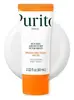
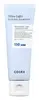
PURITO Sun Day Adventure Sunscreen SPF 50 Versus COSRX Ultra-Light Invisible Sunscreen SPF 50 PA++++
This chemical sunscreen covers most of the UV range, lighter on the deep UVA that drives aging.
This chemical sunscreen covers the full UV range and blocks ~98% of UVB at SPF 50.

What's inside
What's inside
 Key Ingredients
Benefits
Concerns
Ingredients Side-by-side
Butyl Methoxydibenzoylmethane 3%
UV Absorber
Homosalate 9%
Skin Conditioning
Ethylhexyl Salicylate 4.5%
UV Absorber
Octocrylene 5%
UV Absorber

Water
Skin ConditioningDipropylene Glycol
HumectantMethyl Methacrylate Crosspolymer

Glyceryl Polymethacrylate
Propylene Glycol
Humectant

Acrylates Copolymer
Butyloctyl Salicylate
Skin Conditioning
Ceteareth-20
Cleansing
Ethylhexyl Methoxycrylene
Skin Conditioning
Polysorbate 60
Emulsifying
Sorbitan Stearate
Emulsifying
Caprylyl Glycol
Emollient
Cetearyl Olivate
Panthenol
Skin Conditioning



Sorbitan Olivate
Emulsifying
Acrylates/C10-30 Alkyl Acrylate Crosspolymer
Emulsion StabilisingEthylhexylglycerin
Skin ConditioningTromethamine
BufferingSodium Acrylate/Sodium Acryloyldimethyl Taurate Copolymer
Emulsion Stabilising1,2-Hexanediol
Skin Conditioning
Isohexadecane
EmollientAmmonium Acryloyldimethyltaurate/Vp Copolymer
BHT
Antioxidant
Butylene Glycol
Humectant
Polysorbate 80
Emulsifying
Trisodium Ethylenediamine Disuccinate
ChelatingSorbitan Oleate
Emulsifying
Xanthan Gum
EmulsifyingOenanthe Javanica Extract
AntimicrobialButyl Methoxydibenzoylmethane 3%, Homosalate 9%, Ethylhexyl Salicylate 4.5%, Octocrylene 5%, Water, Dipropylene Glycol, Methyl Methacrylate Crosspolymer, Glyceryl Polymethacrylate, Propylene Glycol, Acrylates Copolymer, Butyloctyl Salicylate, Ceteareth-20, Ethylhexyl Methoxycrylene, Polysorbate 60, Sorbitan Stearate, Caprylyl Glycol, Cetearyl Olivate, Panthenol, Sorbitan Olivate, Acrylates/C10-30 Alkyl Acrylate Crosspolymer, Ethylhexylglycerin, Tromethamine, Sodium Acrylate/Sodium Acryloyldimethyl Taurate Copolymer, 1,2-Hexanediol, Isohexadecane, Ammonium Acryloyldimethyltaurate/Vp Copolymer, BHT, Butylene Glycol, Polysorbate 80, Trisodium Ethylenediamine Disuccinate, Sorbitan Oleate, Xanthan Gum, Oenanthe Javanica Extract
Aloe Barbadensis Leaf Water
MaskingDiethylhexyl Succinate
EmollientPropanediol
Solvent
Water
Skin ConditioningDrometrizole Trisiloxane
UV Absorber
Ethylhexyl Triazone
UV Absorber
Niacinamide
Smoothing






Diethylamino Hydroxybenzoyl Hexyl Benzoate
UV Filter
Terephthalylidene Dicamphor Sulfonic Acid
UV Absorber
1,2-Hexanediol
Skin Conditioning
Behenyl Alcohol
Emollient
Methyl Trimethicone
Skin Conditioning
Hamamelis Virginiana Leaf Water
Astringent
Tromethamine
BufferingSodium Polyacryloyldimethyl Taurate
Emulsion StabilisingPolyacrylate Crosspolymer-6
Emulsion StabilisingArachidyl Alcohol
Emollient
Caprylyl Glycol
Emollient
Ethylhexylglycerin
Skin ConditioningArachidyl Glucoside
EmulsifyingSodium Metaphosphate
BufferingAdenosine
Skin Conditioning
Tocopherol
Antioxidant
Sodium Hyaluronate
Humectant
Allantoin
Skin Conditioning
Citric Acid
Buffering
Potassium Sorbate
Preservative
Aloe Barbadensis Leaf Water, Diethylhexyl Succinate, Propanediol, Water, Drometrizole Trisiloxane, Ethylhexyl Triazone, Niacinamide, Diethylamino Hydroxybenzoyl Hexyl Benzoate, Terephthalylidene Dicamphor Sulfonic Acid, 1,2-Hexanediol, Behenyl Alcohol, Methyl Trimethicone, Hamamelis Virginiana Leaf Water, Tromethamine, Sodium Polyacryloyldimethyl Taurate, Polyacrylate Crosspolymer-6, Arachidyl Alcohol, Caprylyl Glycol, Ethylhexylglycerin, Arachidyl Glucoside, Sodium Metaphosphate, Adenosine, Tocopherol, Sodium Hyaluronate, Allantoin, Citric Acid, Potassium Sorbate
Reviews
Ingredients Explained
These ingredients are found in both products.
Ingredients higher up in an ingredient list are typically present in a larger amount.
1,2-Hexanediol is a synthetic liquid and another multi-functional powerhouse.
It is a:
- Humectant, drawing moisture into the skin
- Emollient, helping to soften skin
- Solvent, dispersing and stabilizing formulas
- Preservative booster, enhancing the antimicrobial activity of other preservatives
Caprylyl Glycol is a humectant, skin conditioner, emollient, and preservative booster derived from either caprylic acid or synthetically created.
Typical use levels vary from 0.3-1% as a preservative booster and go up to 2% to condition skin.
Because it is not a free-fatty acid, this ingredient is fungal acne safe (there's nothing for Malassezia to feed on).
Learn more about Caprylyl GlycolEthylhexylglycerin is created from glycerin. It is a multitasker ingredient that:
The CIR Expert Panel found minimal skin absorption or sensitization of any kind in a safety assessment. Though this ingredient is considered well-tolerated, a small number of cases of allergic dermatitis have been published since 2002. Just be sure to patch test if you are unsure.
Industry-reported use ranges from 8% in rinse-off products and 2% in leave-on formulations.
Learn more about EthylhexylglycerinTromethamine (aka THAM) is a synthetic amino acid that shows up in skincare as a helper ingredient.
It functions as a pH adjuster to help neutralize acidic ingredients and set a formula's pH to the right spot.
This matters a lot because a lot of actives (like vitamin C) needs a specific pH to work well and feel comfortable on skin.
Concentration use ranges from 0.1-1.0% depending on the formula.
Learn more about TromethamineWater. It's the most common cosmetic ingredient of all. You'll usually see it at the top of ingredient lists, meaning that it makes up the largest part of the product.
So why is it so popular? Water most often acts as a solvent - this means that it helps dissolve other ingredients into the formulation.
You'll also recognize water as that liquid we all need to stay alive. If you see this, drink a glass of water. Remember to stay hydrated!
Learn more about Water

