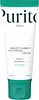
This barrier-repair moisturizer is formulated around Panthenol and Niacinamide to strengthen the skin barrier and calm redness.

What's inside
What's inside
 Key Ingredients
Benefits
Concerns
Ingredients Side-by-side
Water
Skin ConditioningPanthenol 10%
Skin Conditioning




Squalane
Emollient
Butylene Glycol
Humectant
1,2-Hexanediol
Skin Conditioning
Niacinamide
Smoothing






Bambusa Vulgaris Extract
Skin Conditioning
Hydrolyzed Jojoba Esters
Skin Conditioning

Acrylates/C10-30 Alkyl Acrylate Crosspolymer
Emulsion StabilisingAmmonium Acryloyldimethyltaurate/Vp Copolymer
Hydroxyacetophenone
Antioxidant
Tromethamine
BufferingDipotassium Glycyrrhizate
Humectant
Ethylhexylglycerin
Skin ConditioningXanthan Gum
EmulsifyingDisodium EDTA
ChelatingSodium Hyaluronate
Humectant
Madecassoside
Antioxidant
Asiaticoside
Antioxidant
Asiatic Acid
Skin Conditioning
Madecassic Acid
Skin Conditioning
Copper Tripeptide-1
Skin Conditioning
Water, Panthenol 10%, Squalane, Butylene Glycol, 1,2-Hexanediol, Niacinamide, Bambusa Vulgaris Extract, Hydrolyzed Jojoba Esters, Acrylates/C10-30 Alkyl Acrylate Crosspolymer, Ammonium Acryloyldimethyltaurate/Vp Copolymer, Hydroxyacetophenone, Tromethamine, Dipotassium Glycyrrhizate, Ethylhexylglycerin, Xanthan Gum, Disodium EDTA, Sodium Hyaluronate, Madecassoside, Asiaticoside, Asiatic Acid, Madecassic Acid, Copper Tripeptide-1
Water
Skin ConditioningButylene Glycol
Humectant
Dimethicone
Emollient
Isononyl Isononanoate
EmollientCyclopentasiloxane
Emollient
Cetearyl Alcohol
Emollient




Squalane
Emollient
1,2-Hexanediol
Skin Conditioning
Glyceryl Stearate
Emollient
PEG-100 Stearate
Surfactant
Propanediol
Solvent
Phenoxyethanol
Preservative
Cetearyl Olivate
Betaine
Humectant
Cetearyl Glucoside
Emulsifying
Sorbitan Olivate
Emulsifying
Acrylates/C10-30 Alkyl Acrylate Crosspolymer
Emulsion StabilisingParfum
Masking


Potassium Hydroxide
BufferingXanthan Gum
EmulsifyingAdenosine
Skin Conditioning
Ethylhexylglycerin
Skin ConditioningAmmonium Acryloyldimethyltaurate/Vp Copolymer
CI 42090
Cosmetic ColorantDisodium EDTA
ChelatingBeta-Glucan
Skin Conditioning
Panthenol
Skin Conditioning
Onsen-Sui
Centella Asiatica Extract
Cleansing
Chamomilla Recutita Flower Extract
Masking
Glycyrrhiza Glabra Root Extract
Bleaching
Glycine Soja Sprout Extract
EmollientSodium Hyaluronate
Humectant
Hydroxypropyltrimonium Hyaluronate
Hydrolyzed Hyaluronic Acid
Humectant
Sodium Acetylated Hyaluronate
Humectant
Dipotassium Glycyrrhizate
Humectant
Oxygen
Skin ConditioningHyaluronic Acid
Humectant
Potassium Hyaluronate
Skin ConditioningSodium Hyaluronate Crosspolymer
Humectant
Water, Butylene Glycol, Dimethicone, Isononyl Isononanoate, Cyclopentasiloxane, Cetearyl Alcohol, Squalane, 1,2-Hexanediol, Glyceryl Stearate, PEG-100 Stearate, Propanediol, Phenoxyethanol, Cetearyl Olivate, Betaine, Cetearyl Glucoside, Sorbitan Olivate, Acrylates/C10-30 Alkyl Acrylate Crosspolymer, Parfum, Potassium Hydroxide, Xanthan Gum, Adenosine, Ethylhexylglycerin, Ammonium Acryloyldimethyltaurate/Vp Copolymer, CI 42090, Disodium EDTA, Beta-Glucan, Panthenol, Onsen-Sui, Centella Asiatica Extract, Chamomilla Recutita Flower Extract, Glycyrrhiza Glabra Root Extract, Glycine Soja Sprout Extract, Sodium Hyaluronate, Hydroxypropyltrimonium Hyaluronate, Hydrolyzed Hyaluronic Acid, Sodium Acetylated Hyaluronate, Dipotassium Glycyrrhizate, Oxygen, Hyaluronic Acid, Potassium Hyaluronate, Sodium Hyaluronate Crosspolymer
Reviews
Ingredients Explained
These ingredients are found in both products.
Ingredients higher up in an ingredient list are typically present in a larger amount.
1,2-Hexanediol is a synthetic liquid and another multi-functional powerhouse.
It is a:
- Humectant, drawing moisture into the skin
- Emollient, helping to soften skin
- Solvent, dispersing and stabilizing formulas
- Preservative booster, enhancing the antimicrobial activity of other preservatives
Acrylates/C10-30 Alkyl Acrylate Crosspolymer is a synthetic polymer. It is used to thicken, emulsify, and improve the texture of products.
As an emulsifier, it helps stabilize oil-in-water emulsions to give products an elegant feel when applied.
It can also form a thin protective film on skin. One study found that a formula using this polymer helped slow down how quickly other ingredients (like DEET) were absorbed through skin.
A 2024 study of over 1,300 patients confirmed that sensitization to this ingredient is rare. It is also non-mutagenic and has a clean track record.
Learn more about Acrylates/C10-30 Alkyl Acrylate CrosspolymerAmmonium Acryloyldimethyltaurate/Vp Copolymer is a synthetically created polymer. It's used as a film-forming agent and used to thicken the consistency of products.
Think of it as a supportive ingredient that helps your gel-creams feel silky, "cloud cream-like", and spread evenly without being greasy.
The Cosmetic Ingredient Review (CIR) Expert Panel evaluated it (along with 22 other acryloyldimethyltaurate polymers) and concluded it's:
Due to its large molecular size, it sits on the surface of skin rather than penetrating it.
Learn more about Ammonium Acryloyldimethyltaurate/Vp CopolymerButylene Glycol (or BG) is used within cosmetic products for a few different reasons:
Overall, Butylene Glycol is a safe and well-rounded ingredient that works well with other ingredients.
Though this ingredient works well with most skin types, some people with sensitive skin may experience a reaction such as allergic rashes, closed comedones, or itchiness.
Learn more about Butylene GlycolDipotassium Glycyrrhizate comes from licorice root.
Extracts of licorice have demonstrated to have antibacterial, anti‐inflammatory, antiviral, antioxidant properties.
One component, glabridin, has extra potent antioxidant and soothing properties. It has also been found to block pigmentation from UVB rays in guinea pigs.
Licorice Root also contains a flavonoid. Flavonoids are a natural substance from in plants. Flavonoids also have antioxidant properties.
Another component, glycyrrhizin, has been found to have anti-inflammatory and antimicrobial benefits. This may make licorice root extract effective at treating acne. However, more research is needed to support this.
Liquiritin is one of the flavone compounds found in licorice. It has been found to help lighten skin by preventing tyrosinase from reacting with tyrosine. When the two react, protein is converted to melanin. Melanin is the substance in your body that gives your features pigmentation.
Licorice root is native to Southern Europe and Asia. It has been used in traditional Chinese medicine to help with respiratory issues.
Learn more about Dipotassium GlycyrrhizateDisodium EDTA is a chelating agent. It grabs onto and deactivates metal ions that sneak into your products from water, packaging, or air.
This ingredient mainly works behind the scenes and helps with:
On top of that, this ingredient can counteract the effects of hard water by binding to the minerals in it.
One thing worth knowing is that Disodium EDTA has been shown to be a mild penetration enhancer. It can help other ingredients absorb into skin more effectively which can be a double-edged sword (great for actives, but can also make the active too strong if you have sensitive skin).
Clinical patch testing showed no significant skin irritation at typical use concentrations and minimal dermal absorption.
You'll most likely see this ingredient near the end of an ingredient list. It's typically found in concentrations less than 1%.
Learn more about Disodium EDTAEthylhexylglycerin is created from glycerin. It is a multitasker ingredient that:
The CIR Expert Panel found minimal skin absorption or sensitization of any kind in a safety assessment. Though this ingredient is considered well-tolerated, a small number of cases of allergic dermatitis have been published since 2002. Just be sure to patch test if you are unsure.
Industry-reported use ranges from 8% in rinse-off products and 2% in leave-on formulations.
Learn more about EthylhexylglycerinPanthenol is a common ingredient that helps hydrate and soothe the skin. It is found naturally in our skin and hair.
There are two forms of panthenol: D and L.
D-panthenol is also known as dexpanthenol. Most cosmetics use dexpanthenol or a mixture of D and L-panthenol.
Panthenol is famous due to its ability to go deeper into the skin's layers. Using this ingredient has numerous pros (and no cons):
Like hyaluronic acid, panthenol is a humectant. Humectants are able to bind and hold large amounts of water to keep skin hydrated.
This ingredient works well for wound healing. It works by increasing tissue in the wound and helps close open wounds.
Once oxidized, panthenol converts to pantothenic acid. Panthothenic acid is found in all living cells.
This ingredient is also referred to as pro-vitamin B5.
Learn more about PanthenolSodium Hyaluronate is the salt form of hyaluronic acid. It is a long sugar chain that is naturally found in your skin, joints, and connective tissue that maintains hydration and elasticity.
In skincare, it works as a humectant. It pulls water from the environment and deeper layers of skin and binds it to the surface.
Interestingly, the size of the molecule affects its behavior:
Some clinical evidence links low molecular weight versions to improved wrinkle depth, elasticity, anti-inflammatory effects, and barrier repair.
Many serums use a blend of both weights so you can get surface hydration plus longer-lasting and deeper effects.
You'll typically see concentrations between 0.1-2% for this ingredient.
Learn more about Sodium HyaluronateSqualane is the hydrogenated and shelf-stable form of squalene (a lipid that naturally occurs in human sebum).
It is an emollient and skin conditioning agent that is able to integrate seamlessly into the skin's lipid barrier without clogging pores.
This is due to how structurally similar it is to what your skin already produces.
Though it is mostly an emollient that helps soften and hydrate skin, it also has some humectant and occlusive action. Humectants help the skin retain moisture while occlusives seal it in, making squalane a triple-threat moisturizer.
Research shows it has antioxidant capabilities that help protect against stressors like UV exposure, specifically UVA induced oxidative stress. This study also found that it supports collagen biosynthesis in human dermal fibroblasts.
No clinical study has reported significant adverse effects and irritation reactions are very rare from this ingredient (even at 100% concentration).
Overall, it's a fantastic ingredient for hydration and is suitable for all skin types.
This depends on the source. Squalane can be derived from both plants and animals. Most squalane used in skincare comes from plants.
Please note: the source of squalane is only known if disclosed by the brand. We recommend reaching out to the brand if you have any questions about their squalane.
Read more about squalene with an "e".
Though squalane is often called an oil, it’s technically not one. It is a hydrocarbon, meaning it is only made of carbon and hydrogen. True oils are triglycerides and made of fatty acids and glycerol.
The term “oil-free” isn’t regulated so companies can define it however they want. Some exclude all oils, while others just avoid mineral oil or comedogenic oils.
Squalane has a comedogenic rating of 1 from the original 1972 study that tested raw ingredients under occlusion on rabbit ears. This system is not standardized or peer-reviewed, and using the raw ingredients is very different from how diluted cosmetic formulations are used on human skin.
A comedogenic rating of 1 means it is "unlikely to clog pores" according to the original rating system.
The overall formula of a product matters more than the individual ingredients on whether or not it will cause clogged pores.
Learn more about SqualaneWater. It's the most common cosmetic ingredient of all. You'll usually see it at the top of ingredient lists, meaning that it makes up the largest part of the product.
So why is it so popular? Water most often acts as a solvent - this means that it helps dissolve other ingredients into the formulation.
You'll also recognize water as that liquid we all need to stay alive. If you see this, drink a glass of water. Remember to stay hydrated!
Learn more about WaterXanthan gum is used as a stabilizer and thickener within cosmetic products. It helps give products a sticky, thick feeling - preventing them from being too runny.
On the technical side of things, xanthan gum is a polysaccharide - a combination consisting of multiple sugar molecules bonded together.
Xanthan gum is a pretty common and great ingredient. It is a natural, non-toxic, non-irritating ingredient that is also commonly used in food products.
Learn more about Xanthan Gum

