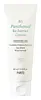
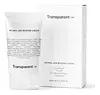
PURITO B5 Panthenol Re-Barrier Cream Versus Transparent Lab Retinal Age Reverse Cream Anti-Aging Facial Cream
This barrier-repair moisturizer is formulated around Centella Asiatica Extract and Panthenol to strengthen the skin barrier and calm redness.


What's inside
What's inside
 Key Ingredients
Benefits
Concerns
Ingredients Side-by-side
Centella Asiatica Extract
Cleansing





Panthenol 10%
Skin Conditioning
Squalane
Emollient
Butylene Glycol
Humectant
Water
Skin Conditioning1,2-Hexanediol
Skin Conditioning
Niacinamide
Smoothing





Hydrolyzed Jojoba Esters
Skin Conditioning

Acrylates/C10-30 Alkyl Acrylate Crosspolymer
Emulsion StabilisingAmmonium Acryloyldimethyltaurate/Vp Copolymer
Hydroxyacetophenone
Antioxidant
Tromethamine
BufferingDipotassium Glycyrrhizate
Humectant
Ethylhexylglycerin
Skin ConditioningDisodium EDTA
Xanthan Gum
EmulsifyingSodium Hyaluronate
Humectant
Madecassoside
Antioxidant
Asiaticoside
Antioxidant
Asiatic Acid
Skin Conditioning
Copper Tripeptide-1
Skin Conditioning
Madecassic Acid
Skin Conditioning
Centella Asiatica Extract, Panthenol 10%, Squalane, Butylene Glycol, Water, 1,2-Hexanediol, Niacinamide, Hydrolyzed Jojoba Esters, Acrylates/C10-30 Alkyl Acrylate Crosspolymer, Ammonium Acryloyldimethyltaurate/Vp Copolymer, Hydroxyacetophenone, Tromethamine, Dipotassium Glycyrrhizate, Ethylhexylglycerin, Disodium EDTA, Xanthan Gum, Sodium Hyaluronate, Madecassoside, Asiaticoside, Asiatic Acid, Copper Tripeptide-1, Madecassic Acid
Water
Skin ConditioningGlycerin
Humectant
Coco-Caprylate/Caprate
Emollient
C10-18 Triglycerides
Emollient
Coco-Caprylate
Emollient
Propanediol
Solvent
Oryza Sativa Starch
AbsorbentCetyl Alcohol
Emollient
Glyceryl Stearate
Emollient
Bakuchiol
Antimicrobial
Retinal
Skin Conditioning

Hyaluronic Acid
Humectant
Palmitoyl Tripeptide-1
Skin Conditioning
Palmitoyl Tetrapeptide-7
Skin Conditioning
Palmitoyl Tripeptide-38
Skin Conditioning
Tocopherol
Antioxidant
Ethylhexylglycerin
Skin ConditioningMannitol
Humectant
Cholesterol
Emollient
Phosphatidylcholine
EmulsifyingHydrogenated Phosphatidylcholine
Emulsifying
Xanthan Gum
EmulsifyingAcrylates/C10-30 Alkyl Acrylate Crosspolymer
Emulsion StabilisingHydroxypropyl Starch Phosphate
Carbomer
Emulsion StabilisingHydroxypropyl Cyclodextrin
MaskingPEG-75 Stearate
Surfactant
Ceteth-20
CleansingSteareth-20
CleansingDecyl Glucoside
Cleansing
Caprylyl Glycol
Emollient
Sodium Lactate
Buffering
Butylene Glycol
Humectant
Citric Acid
Buffering
Sodium Chloride
MaskingPolysorbate 20
Emulsifying
Phenoxyethanol
Preservative
Sodium Benzoate
Masking
Potassium Sorbate
Preservative
Water, Glycerin, Coco-Caprylate/Caprate, C10-18 Triglycerides, Coco-Caprylate, Propanediol, Oryza Sativa Starch, Cetyl Alcohol, Glyceryl Stearate, Bakuchiol, Retinal, Hyaluronic Acid, Palmitoyl Tripeptide-1, Palmitoyl Tetrapeptide-7, Palmitoyl Tripeptide-38, Tocopherol, Ethylhexylglycerin, Mannitol, Cholesterol, Phosphatidylcholine, Hydrogenated Phosphatidylcholine, Xanthan Gum, Acrylates/C10-30 Alkyl Acrylate Crosspolymer, Hydroxypropyl Starch Phosphate, Carbomer, Hydroxypropyl Cyclodextrin, PEG-75 Stearate, Ceteth-20, Steareth-20, Decyl Glucoside, Caprylyl Glycol, Sodium Lactate, Butylene Glycol, Citric Acid, Sodium Chloride, Polysorbate 20, Phenoxyethanol, Sodium Benzoate, Potassium Sorbate
Reviews
Ingredients Explained
These ingredients are found in both products.
Ingredients higher up in an ingredient list are typically present in a larger amount.
Acrylates/C10-30 Alkyl Acrylate Crosspolymer is a synthetic polymer. It is used to thicken, emulsify, and improve the texture of products.
As an emulsifier, it helps stabilize oil-in-water emulsions to give products an elegant feel when applied.
It can also form a thin protective film on skin. One study found that a formula using this polymer helped slow down how quickly other ingredients (like DEET) were absorbed through skin.
A 2024 study of over 1,300 patients confirmed that sensitization to this ingredient is rare. It is also non-mutagenic and has a clean track record.
Learn more about Acrylates/C10-30 Alkyl Acrylate CrosspolymerButylene Glycol (or BG) is used within cosmetic products for a few different reasons:
Overall, Butylene Glycol is a safe and well-rounded ingredient that works well with other ingredients.
Though this ingredient works well with most skin types, some people with sensitive skin may experience a reaction such as allergic rashes, closed comedones, or itchiness.
Learn more about Butylene GlycolEthylhexylglycerin is created from glycerin. It is a multitasker ingredient that:
The CIR Expert Panel found minimal skin absorption or sensitization of any kind in a safety assessment. Though this ingredient is considered well-tolerated, a small number of cases of allergic dermatitis have been published since 2002. Just be sure to patch test if you are unsure.
Industry-reported use ranges from 8% in rinse-off products and 2% in leave-on formulations.
Learn more about EthylhexylglycerinWater. It's the most common cosmetic ingredient of all. You'll usually see it at the top of ingredient lists, meaning that it makes up the largest part of the product.
So why is it so popular? Water most often acts as a solvent - this means that it helps dissolve other ingredients into the formulation.
You'll also recognize water as that liquid we all need to stay alive. If you see this, drink a glass of water. Remember to stay hydrated!
Learn more about WaterXanthan gum is used as a stabilizer and thickener within cosmetic products. It helps give products a sticky, thick feeling - preventing them from being too runny.
On the technical side of things, xanthan gum is a polysaccharide - a combination consisting of multiple sugar molecules bonded together.
Xanthan gum is a pretty common and great ingredient. It is a natural, non-toxic, non-irritating ingredient that is also commonly used in food products.
Learn more about Xanthan Gum

