Prequel Skin Utility Ointment Multi-Purpose Skin Protectant Versus Prequel Barrier Therapy Skin Protectant Cream
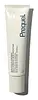
This hydrating treatment is formulated around Petrolatum and Bisabolol to hydrate skin and strengthen the skin barrier.
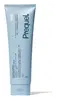
This barrier-repair moisturizer is formulated around Colloidal Oatmeal and Allantoin to strengthen the skin barrier and calm redness.

What's inside
What's inside
 Key Ingredients
Benefits
Concerns
Ingredients Side-by-side
Petrolatum 45%
Emollient



Paraffinum Liquidum
Emollient
Ozokerite
Emulsion StabilisingDimethicone
Emollient

Brassica Campestris/Aleurites Fordi Oil Copolymer
Skin Conditioning
Bisabolol
Antioxidant



Cetylhydroxyproline Palmitamide
Skin ConditioningOryza Sativa Bran Extract
Skin Conditioning
Helianthus Annuus Extract
Emollient
Tocopherol
Antioxidant



Rosmarinus Officinalis Leaf Extract
AntimicrobialStearic Acid
Cleansing

Brassica Campestris Sterols
Emollient1,2-Hexanediol
Skin Conditioning
Hexyldecanol
Emollient
Petrolatum 45%, Paraffinum Liquidum, Ozokerite, Dimethicone, Brassica Campestris/Aleurites Fordi Oil Copolymer, Bisabolol, Cetylhydroxyproline Palmitamide, Oryza Sativa Bran Extract, Helianthus Annuus Extract, Tocopherol, Rosmarinus Officinalis Leaf Extract, Stearic Acid, Brassica Campestris Sterols, 1,2-Hexanediol, Hexyldecanol
Colloidal Oatmeal 1%
Absorbent
Water
Skin ConditioningCarthamus Tinctorius Seed Oil
Masking
Cetyl Alcohol
Emollient
Glycerin
Humectant
Butyrospermum Parkii Butter
Skin Conditioning

Caprylic/Capric Triglyceride
Masking
Dimethicone
Emollient
C10-18 Triglycerides
Emollient
Allantoin
Skin Conditioning
Adenosine
Skin Conditioning
Cetearyl Olivate
Sorbitan Olivate
Emulsifying
Ceramide AP
Skin Conditioning
Ceramide Eos
Skin Conditioning
Ceramide EOP
Skin Conditioning
Ceramide NP
Skin Conditioning
Ceramide Ns
Skin Conditioning
Cholesterol
Emollient
Caprooyl Phytosphingosine
Skin Conditioning
Caprooyl Sphingosine
Skin ConditioningGlycolipids
Skin ConditioningPhospholipids
Skin Conditioning
Sodium Stearoyl Glutamate
CleansingBehenic Acid
Cleansing
Ceteareth-25
CleansingGlycine Soja Oil
Emollient
Glycine Soja Sterols
Emollient
Ascorbyl Palmitate
Antioxidant
Tocopherol
Antioxidant
Lecithin
Emollient
Glyceryl Stearate
Emollient
Glyceryl Oleate
Emollient

Carbomer
Emulsion StabilisingCaprylyl Glycol
Emollient
Hydroxyacetophenone
Antioxidant
Phenoxyethanol
Preservative
Ethylhexylglycerin
Skin Conditioning1,2-Hexanediol
Skin Conditioning
Tocopheryl Acetate
Antioxidant
Tetrasodium Glutamate Diacetate
ChelatingSodium Hydroxide
BufferingCitric Acid
Buffering
Colloidal Oatmeal 1%, Water, Carthamus Tinctorius Seed Oil, Cetyl Alcohol, Glycerin, Butyrospermum Parkii Butter, Caprylic/Capric Triglyceride, Dimethicone, C10-18 Triglycerides, Allantoin, Adenosine, Cetearyl Olivate, Sorbitan Olivate, Ceramide AP, Ceramide Eos, Ceramide EOP, Ceramide NP, Ceramide Ns, Cholesterol, Caprooyl Phytosphingosine, Caprooyl Sphingosine, Glycolipids, Phospholipids, Sodium Stearoyl Glutamate, Behenic Acid, Ceteareth-25, Glycine Soja Oil, Glycine Soja Sterols, Ascorbyl Palmitate, Tocopherol, Lecithin, Glyceryl Stearate, Glyceryl Oleate, Carbomer, Caprylyl Glycol, Hydroxyacetophenone, Phenoxyethanol, Ethylhexylglycerin, 1,2-Hexanediol, Tocopheryl Acetate, Tetrasodium Glutamate Diacetate, Sodium Hydroxide, Citric Acid
Reviews
Alternatives
Ingredients Explained
These ingredients are found in both products.
Ingredients higher up in an ingredient list are typically present in a larger amount.
1,2-Hexanediol is a synthetic liquid and another multi-functional powerhouse.
It is a:
- Humectant, drawing moisture into the skin
- Emollient, helping to soften skin
- Solvent, dispersing and stabilizing formulas
- Preservative booster, enhancing the antimicrobial activity of other preservatives
Dimethicone is a type of synthetic silicone created from natural materials such as quartz. It is also known as polydimethylsiloxane.
What it does:
Dimethicone comes in different viscosities:
Depending on the viscosity, dimethicone has different properties.
Ingredients lists don't always show which type is used, so we recommend reaching out to the brand if you have questions about the viscosity.
This ingredient is unlikely to cause irritation because it does not get absorbed into skin. However, people with silicone allergies should be careful about using this ingredient.
Note: Dimethicone may contribute to pilling. This is because it is not oil or water soluble, so pilling may occur when layered with products. When mixed with heavy oils in a formula, the outcome is also quite greasy.
Learn more about DimethiconeTocopherol is a fat-soluble antioxidant known as Vitamin E.
You'll find this ingredient in the vast majority of skincare (for good reason). It works to neutralize free radicals, or unstable molecules generated by UV exposure, pollution, and other environmental stressors, before they can cause oxidative damage to your skin cells.
Topically applied tocopherol has been shown to protect against UV damage by ramping up the skin's own natural defense enzymes.
It also acts as a skin conditioning agent; some studies show that regular topical use can improve the skin's water-binding capacity over 2-4 weeks.
This ingredient is especially loved for being a team player. When combined with Vitamin C, the photoprotective effect of both ingredients roughly doubles and the combo also helps reduce UV-induced DNA damage.
This ingredient has some brightening potential but it's more of a prevention ingredient than spot-fader. Cell studies show it can slow down melanin production but it's worth noting that it's not the most powerful brightener out there.
In formulations, it also serves as a stabilizer that helps protect other oxidation-prone ingredients from degrading.
Concentrations usually range from 0.1-1% in most leave-on products.
Learn more about Tocopherol

