Plum Goodness Niacinamide 10% Serum with Rice Water Versus Plum Goodness Calendula & 10% Vitamin C Barrier Boosting + Glow Serum
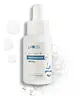
This brightening serum is formulated around Niacinamide and Oryza Sativa Extract to fade the look of dark spots and strengthen the skin barrier.
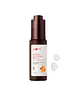
This barrier-repair serum is formulated around 3-O-Ethyl Ascorbic Acid and Niacinamide to strengthen the skin barrier and brighten dull-looking skin.

What's inside
What's inside
 Key Ingredients
Benefits
Concerns
Ingredients Side-by-side
Water
Skin ConditioningNiacinamide 10%
Smoothing











Oryza Sativa Extract
Absorbent
Isodecyl Neopentanoate
EmollientSqualane 5%
Emollient
Sorbitol
Humectant
Pentylene Glycol
Skin Conditioning
Hydrogenated Polyisobutene
EmollientRice Ferment Filtrate
Skin Conditioning
Butylene Glycol
Humectant
Rosa Damascena Flower Water
Masking
Caffeine 1%
Skin Conditioning
Glycyrrhiza Glabra Root Extract
Bleaching
Glycerin
Humectant
Acrylates Copolymer
Vp/Polycarbamyl Polyglycol Ester
Hydrolyzed Sesame Protein Pg-Propyl Methylsilanediol
Skin ConditioningBenzyl Alcohol
Perfuming






Hydroxyacetophenone
Antioxidant
Caprylyl Glycol
Emollient
Ethylhexyl Olivate
Skin Conditioning

Sodium Acrylates Copolymer
Polyglyceryl-4 Olivate
EmollientCyclodextrin
AbsorbentSodium Hyaluronate
Humectant
Tocopheryl Acetate
Antioxidant
Sodium Gluconate
ChelatingWater, Niacinamide 10%, Oryza Sativa Extract, Isodecyl Neopentanoate, Squalane 5%, Sorbitol, Pentylene Glycol, Hydrogenated Polyisobutene, Rice Ferment Filtrate, Butylene Glycol, Rosa Damascena Flower Water, Caffeine 1%, Glycyrrhiza Glabra Root Extract, Glycerin, Acrylates Copolymer, Vp/Polycarbamyl Polyglycol Ester, Hydrolyzed Sesame Protein Pg-Propyl Methylsilanediol, Benzyl Alcohol, Hydroxyacetophenone, Caprylyl Glycol, Ethylhexyl Olivate, Sodium Acrylates Copolymer, Polyglyceryl-4 Olivate, Cyclodextrin, Sodium Hyaluronate, Tocopheryl Acetate, Sodium Gluconate
Water
Skin Conditioning3-O-Ethyl Ascorbic Acid
Skin Conditioning
Niacinamide
Smoothing
Propanediol
Solvent
Betaine
Humectant
Sodium Hyaluronate Crosspolymer
Humectant
Sodium Hyaluronate
Humectant
Sodium Acetylated Hyaluronate
Humectant
Hydrolyzed Sodium Hyaluronate
Skin Conditioning
Pentylene Glycol
Skin Conditioning
Laminaria Digitata Extract
Skin Protecting
Citrus Reticulata Peel Extract
Skin ConditioningTerminalia Ferdinandiana Fruit Extract
Antioxidant
Calendula Officinalis Flower Extract
Masking
1,2-Hexanediol
Skin Conditioning
Hydrogenated Lecithin
Emulsifying
Cetyl-Pg Hydroxyethyl Palmitamide
Skin ConditioningCeramide EOP
Skin Conditioning
Ceramide Ns
Skin Conditioning
Ceramide NP
Skin Conditioning
Ceramide As
Skin Conditioning
Ceramide AP
Skin Conditioning
Cholesterol
Emollient
Sodium Citrate
BufferingRosa Damascena Flower Water
Masking
Phenoxyethanol
Preservative
Ethylhexylglycerin
Skin ConditioningCitric Acid
Buffering
Olive Oil Glycereth-8 Esters
Emollient
Cyclodextrin
AbsorbentEthoxydiglycol
HumectantMethyl Gluceth-20
Humectant
Maltitol
HumectantSodium Acrylates Copolymer
Lecithin
Emollient
Sodium Gluconate
ChelatingXanthan Gum
EmulsifyingWater, 3-O-Ethyl Ascorbic Acid, Niacinamide, Propanediol, Betaine, Sodium Hyaluronate Crosspolymer, Sodium Hyaluronate, Sodium Acetylated Hyaluronate, Hydrolyzed Sodium Hyaluronate, Pentylene Glycol, Laminaria Digitata Extract, Citrus Reticulata Peel Extract, Terminalia Ferdinandiana Fruit Extract, Calendula Officinalis Flower Extract, 1,2-Hexanediol, Hydrogenated Lecithin, Cetyl-Pg Hydroxyethyl Palmitamide, Ceramide EOP, Ceramide Ns, Ceramide NP, Ceramide As, Ceramide AP, Cholesterol, Sodium Citrate, Rosa Damascena Flower Water, Phenoxyethanol, Ethylhexylglycerin, Citric Acid, Olive Oil Glycereth-8 Esters, Cyclodextrin, Ethoxydiglycol, Methyl Gluceth-20, Maltitol, Sodium Acrylates Copolymer, Lecithin, Sodium Gluconate, Xanthan Gum
Reviews
Ingredients Explained
These ingredients are found in both products.
Ingredients higher up in an ingredient list are typically present in a larger amount.
Cyclodextrins are ring-shaped sugar molecules made from starch. It is used to stabilize, protect, and slowly release active ingredients.
This ingredient can help prevent oxidation, reduce irritation from strong actives, and make certain ingredients absorb better once applied.
Once applied to your skin, enzymes gradually break down the cyclodextrin "ring"; this releases the active ingredient in a controlled way.
Learn more about CyclodextrinNiacinamide is a multitasking form of vitamin B3 that strengthens the skin barrier, reduces pores and dark spots, regulates oil, and improves signs of aging.
And the best part? It's gentle and well-tolerated by most skin types, including sensitive and reactive skin.
You might have heard of "niacin flush", or the reddening of skin that causes itchiness. Niacinamide has not been found to cause this.
In very rare cases, some individuals may not be able to tolerate niacinamide at all or experience an allergic reaction to it.
If you are experiencing flaking, irritation, and dryness with this ingredient, be sure to double check all your products as this ingredient can be found in all categories of skincare.
When incorporating niacinamide into your routine, look out for concentration amounts. Typically, 5% niacinamide provides benefits such as fading dark spots. However, if you have sensitive skin, it is better to begin with a smaller concentration.
When you apply niacinamide to your skin, your body converts it into nicotinamide adenine dinucleotide (NAD). NAD is an essential coenzyme that is already found in your cells as "fuel" and powers countless biological processes.
In your skin, NAD helps repair cell damage, produce new healthy cells, support collagen production, strengthen the skin barrier, and fight environmental stressors (like UV and pollution).
Our natural NAD levels start to decline with age, leading to slower skin repair, visible aging, and a weaker skin barrier. By providing your skin niacinamide, you're recharging your skin's NAD levels. This leads to stronger, healthier, and younger looking skin.
Another name for vitamin B3 is nicotinamide. This vitamin is water-soluble and our bodies don't store it. We obtain Vitamin B3 from either food or skincare. Meat, fish, wheat, yeast, and leafy greens contain vitamin B3.
The type of niacinamide used in skincare is synthetically created.
Learn more about NiacinamidePentylene Glycol (1,2-pentanediol) is a multitasking little diol with three main roles in a formula:
Research on alkanediols (the family pentylene glycol belongs to) show they work by disrupting microbial cell membranes. This disruption helps the primary preservative system in a product work more effectively at lower doses.
On the safety side, the Cosmetic Ingredient Review Expert Panel has concluded this ingredient to be safe as used in current cosmetic practices + concentrations.
Typical use levels in a formula run about 1-5%.
Learn more about Pentylene GlycolRosa Damascena Flower Water is the water-based byproduct of steam-distilling damask rose petals. It has skin conditioning, masking, and skin protecting properties.
Research shows that Rosa damascena is rich in flavonoids and phenolic compounds like gallic acid that contribute to its antioxidant activity.
In vitro studies have shown that Rosa damascena can scavenge free radicals and reduce melanin overproduction. Research has also found this extract offers some degree of UV absorption but this should not replace your sunscreen.
Learn more about Rosa Damascena Flower WaterThis ingredient is a synthetic, salt form polymer built from acrylic acid, ethacrylic acid, or their simple esters. It works as a binder, film former, and viscosity increasing agent.
Typical concentrations start at around 0.5% but can go up to 25% for film-forming or binding.
The CIR Expert Panel assessed the safety of 126 acrylates copolymers and concluded they are safe in cosmetics at current use levels when formulated to be non-irritating. They also noted the levels present in finished cosmetic products are not considered a safety risk and Genotoxicity testing (Ames tests, chromosomal aberration assays) has come back negative across the board.
Though the raw building blocks (like acrylic acid) can be irritating on their own, cosmetic-grade versions go through purification to keep levels extremely low.
Sodium Acrylates Copolymer is a large molecule that doesn't penetrate skin barrier in any meaningful way.
Learn more about Sodium Acrylates CopolymerSodium Gluconate is the sodium salt of gluconic acid. In skincare, its main job is as a chelator.
Chelators grab onto stray metal ions like iron and copper that sneak in through water, raw materials, or manufacturing equipment. This stops them from triggering reactions that cause oils to go rancid, formulas to change color, and actives like vitamin C to fall apart.
This ingredient is often chosen as a biodegradable, gentler-sounding alternative to EDTA. It also pulls double duty as a mild humectant and pH buffer.
Typical use levels sit around 0.1-1% and supplier documents list up to 10% as an acceptable ceiling. Industry data found this ingredient family is mostly used well below 1% in leave on products.
Allergy risk is very low; animal testing has found it to be non-irritating to skin and eyes, mutagenicity assays came back negative, and there are no published reports of allergic contact dermatitis to it.
Learn more about Sodium GluconateSodium Hyaluronate is the salt form of hyaluronic acid. It is a long sugar chain that is naturally found in your skin, joints, and connective tissue that maintains hydration and elasticity.
In skincare, it works as a humectant. It pulls water from the environment and deeper layers of skin and binds it to the surface.
Interestingly, the size of the molecule affects its behavior:
Some clinical evidence links low molecular weight versions to improved wrinkle depth, elasticity, anti-inflammatory effects, and barrier repair.
Many serums use a blend of both weights so you can get surface hydration plus longer-lasting and deeper effects.
You'll typically see concentrations between 0.1-2% for this ingredient.
Learn more about Sodium HyaluronateWater. It's the most common cosmetic ingredient of all. You'll usually see it at the top of ingredient lists, meaning that it makes up the largest part of the product.
So why is it so popular? Water most often acts as a solvent - this means that it helps dissolve other ingredients into the formulation.
You'll also recognize water as that liquid we all need to stay alive. If you see this, drink a glass of water. Remember to stay hydrated!
Learn more about Water

