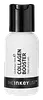
This anti-aging ampoule is formulated around Niacinamide and Adenosine to soften the look of wrinkles and strengthen the skin barrier.
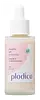
This anti-aging serum is formulated around Palmitoyl Tetrapeptide-7 and Palmitoyl Tripeptide-1 to soften the look of wrinkles and refine skin texture.


What's inside
What's inside
 Key Ingredients
Benefits
Concerns
Ingredients Side-by-side
Gynostemma Pentaphyllum Leaf/Stem Extract
Antioxidant
Butylene Glycol
Humectant

Glycerin
Humectant
Hydrogenated Polyisobutene
EmollientWater
Skin ConditioningNiacinamide
Smoothing









Caprylic/Capric Triglyceride
Masking
Simmondsia Chinensis Seed Oil
Emollient


Polyglyceryl-6 Stearate
Emollient
Pentaerythrityl Tetraethylhexanoate
Emollient
Polyglycerin-3
Humectant
Nelumbo Nucifera Callus Culture Extract
Antimicrobial
Theobroma Cacao Seed Extract
Antioxidant
Gynostemma Pentaphyllum Extract
AstringentGlycine Soja Seed Extract
Skin Conditioning
Triticum Aestivum Peptide
Skin Conditioning
Anemarrhena Asphodeloides Root Extract
Skin Conditioning
Hydrogenated Lecithin
Emulsifying
Olea Europaea Fruit Oil
Masking
C9-12 Alkane
SolventDiisostearyl Malate
EmollientDipentaerythrityl Hexahydroxystearate/Hexastearate/Hexarosinate
Skin ConditioningCaprylyl Methicone
Skin Conditioning
Polyglyceryl-6 Behenate
Emulsion Stabilising
Butyrospermum Parkii Butter
Skin Conditioning


Hydroxyethyl Acrylate/Sodium Acryloyldimethyl Taurate Copolymer
Emulsion StabilisingGlyceryl Stearate
Emollient
Polysilicone-11
Cetyl Palmitate
Emollient
Dipotassium Glycyrrhizate
Humectant
Carbomer
Emulsion StabilisingGlyceryl Polymethacrylate
Sorbitan Olivate
Emulsifying
Sorbitan Palmitate
Emulsifying
Sodium Polyacrylate
Absorbent
Tromethamine
BufferingDipropylene Glycol
HumectantAdenosine
Skin Conditioning
Propanediol
Solvent
Sorbitan Isostearate
Emulsifying
Dextrin
AbsorbentGlycine Soja Peptide
Skin Conditioning
Avena Sativa Peptide
Skin Conditioning
Lecithin
Emollient
Ceramide NP
Skin Conditioning
Squalane
Emollient
Glycine Max Polypeptide
Skin Conditioning
Hydrolyzed Pea Protein
Emollient1,2-Hexanediol
Skin Conditioning
Phytosterols
Skin Conditioning
Hydroxyacetophenone
Antioxidant
Gynostemma Pentaphyllum Leaf/Stem Extract, Butylene Glycol, Glycerin, Hydrogenated Polyisobutene, Water, Niacinamide, Caprylic/Capric Triglyceride, Simmondsia Chinensis Seed Oil, Polyglyceryl-6 Stearate, Pentaerythrityl Tetraethylhexanoate, Polyglycerin-3, Nelumbo Nucifera Callus Culture Extract, Theobroma Cacao Seed Extract, Gynostemma Pentaphyllum Extract, Glycine Soja Seed Extract, Triticum Aestivum Peptide, Anemarrhena Asphodeloides Root Extract, Hydrogenated Lecithin, Olea Europaea Fruit Oil, C9-12 Alkane, Diisostearyl Malate, Dipentaerythrityl Hexahydroxystearate/Hexastearate/Hexarosinate, Caprylyl Methicone, Polyglyceryl-6 Behenate, Butyrospermum Parkii Butter, Hydroxyethyl Acrylate/Sodium Acryloyldimethyl Taurate Copolymer, Glyceryl Stearate, Polysilicone-11, Cetyl Palmitate, Dipotassium Glycyrrhizate, Carbomer, Glyceryl Polymethacrylate, Sorbitan Olivate, Sorbitan Palmitate, Sodium Polyacrylate, Tromethamine, Dipropylene Glycol, Adenosine, Propanediol, Sorbitan Isostearate, Dextrin, Glycine Soja Peptide, Avena Sativa Peptide, Lecithin, Ceramide NP, Squalane, Glycine Max Polypeptide, Hydrolyzed Pea Protein, 1,2-Hexanediol, Phytosterols, Hydroxyacetophenone
Water
Skin ConditioningGlycerin
Humectant
Butylene Glycol
Humectant
Propanediol
Solvent
Phenoxyethanol
Preservative
Hydroxyethylcellulose
Emulsion StabilisingDisodium EDTA
Leuconostoc/Radish Root Ferment Filtrate
Antimicrobial
Carbomer
Emulsion StabilisingHyaluronic Acid
Humectant
Palmitoyl Dipeptide-5 Diaminobutyroyl Hydroxythreonine
Skin Conditioning
Palmitoyl Dipeptide-5 Diaminohydroxybutyrate
Skin Conditioning
Polysorbate 20
Emulsifying
Palmitoyl Tetrapeptide-7
Skin Conditioning
Palmitoyl Tripeptide-1
Skin Conditioning
Water, Glycerin, Butylene Glycol, Propanediol, Phenoxyethanol, Hydroxyethylcellulose, Disodium EDTA, Leuconostoc/Radish Root Ferment Filtrate, Carbomer, Hyaluronic Acid, Palmitoyl Dipeptide-5 Diaminobutyroyl Hydroxythreonine, Palmitoyl Dipeptide-5 Diaminohydroxybutyrate, Polysorbate 20, Palmitoyl Tetrapeptide-7, Palmitoyl Tripeptide-1
Reviews
Ingredients Explained
These ingredients are found in both products.
Ingredients higher up in an ingredient list are typically present in a larger amount.
Butylene Glycol (or BG) is used within cosmetic products for a few different reasons:
Overall, Butylene Glycol is a safe and well-rounded ingredient that works well with other ingredients.
Though this ingredient works well with most skin types, some people with sensitive skin may experience a reaction such as allergic rashes, closed comedones, or itchiness.
Learn more about Butylene GlycolCarbomer is a synthetic thickening and gelling agent. It's basically the ingredient that gives a lot of serums, gels, creams, and sunscreens their smooth, non-sticky texture.
Although legally permitted at very high levels, carbomers are normally used at concentrations below 1%.
It also needs to be neutralized to actually thicken, and because it is a large molecule, it doesn't really penetrate the skin barrier.
Allergy-wise, the risk is very low. Clinical studies show carbomers have low potential for skin irritation/sensitization even at concentrations up to 100%.
A 2024 UK study patch-tested 1,302 patients and found true allergy to the parent group of carbomer to be rare with no confirmed relevant reactions.
Learn more about CarbomerGlycerin (or glycerol) is a compound naturally found in your skin. It's a powerhouse humectant that pulls water into the stratum corneum.
Topically, glycerin does several things at once:
Your skin makes glycerin on its own (mostly from sebaceous oil breakdown) and shuttles it to your outermost layer of skin, or your epidermis, via aquaporin-3.
Aquaporin-3 is a transporter that is essential for normal skin hydration, elasticity, and repair. Interestingly, mice lacking in AQP3 have dry and less elastic skin that can be fully corrected with glycerin.
This ingredient is non-irritating, plays well with almost every ingredient, and works across all skin types. Typical use is anywhere between 3-10% but can go up to 79% in some leave-on products.
Just know very high concentrations (>40%) can feel tacky in low humidity.
Glycerin is the name for this ingredient in American English. British English uses Glycerol/Glycerine.
Learn more about GlycerinPropanediol is an all-star ingredient. It softens, hydrates, and smooths the skin.
It’s often used to:
Propanediol is not likely to cause sensitivity and considered safe to use. It is derived from corn or petroleum with a clear color and no scent.
Learn more about PropanediolWater. It's the most common cosmetic ingredient of all. You'll usually see it at the top of ingredient lists, meaning that it makes up the largest part of the product.
So why is it so popular? Water most often acts as a solvent - this means that it helps dissolve other ingredients into the formulation.
You'll also recognize water as that liquid we all need to stay alive. If you see this, drink a glass of water. Remember to stay hydrated!
Learn more about Water

