Dr. Idriss Major Fade Active Seal Moisturizer Versus Medik8 C-Tetra® Luxe Lipid Vitamin C Enhanced Radiance Serum
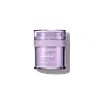
This brightening moisturizer is formulated around Tetrahexyldecyl Ascorbate and 4-Butylresorcinol to fade the look of dark spots and brighten dull-looking skin.
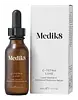
This brightening serum is formulated around Tetrahexyldecyl Ascorbate and Squalane to brighten dull-looking skin and fade the look of dark spots.


What's inside
What's inside
 Key Ingredients
Benefits
Concerns
Ingredients Side-by-side
Water
Skin ConditioningGlycerin
Humectant


Tetrahexyldecyl Ascorbate
Antioxidant





Squalane
Emollient
Caprylic/Capric Triglyceride
Masking
Bis-PEG-18 Methyl Ether Dimethyl Silane
EmollientHydroxyethyl Acrylate/Sodium Acryloyldimethyl Taurate Copolymer
Emulsion StabilisingTriheptanoin
Skin ConditioningPentylene Glycol
Skin Conditioning
Phenyl Trimethicone
Skin Conditioning
Oxidized Glutathione
Emollient4-Butylresorcinol
Antioxidant

Hexapeptide-2
Bleaching
Hydrolyzed Brassica Napus Seedcake Extract
Skin ConditioningCeramide NP
Skin Conditioning

Ceramide AP
Skin Conditioning
Ceramide EOP
Skin Conditioning
Tocopherol
Antioxidant
Butylene Glycol
Humectant
Cetearyl Olivate


Coco-Caprylate/Caprate
Emollient
Sorbitan Olivate
Emulsifying
Ethylhexylglycerin
Skin ConditioningPolysorbate 60
Emulsifying
Xanthan Gum
EmulsifyingDilinoleic Acid/Butanediol Copolymer
Acrylates/C10-30 Alkyl Acrylate Crosspolymer
Emulsion StabilisingCholesterol
Emollient
Phytosphingosine
Skin Conditioning
Dipotassium Glycyrrhizate
Humectant
Sodium Lauroyl Lactylate
EmulsifyingCarbomer
Emulsion StabilisingSodium Hydroxide
BufferingTetrasodium Glutamate Diacetate
Sorbitan Isostearate
Emulsifying
Castor Oil/Ipdi Copolymer

Sodium Benzoate
Masking
Potassium Sorbate
Preservative
Phenoxyethanol
Preservative
Water, Glycerin, Tetrahexyldecyl Ascorbate, Squalane, Caprylic/Capric Triglyceride, Bis-PEG-18 Methyl Ether Dimethyl Silane, Hydroxyethyl Acrylate/Sodium Acryloyldimethyl Taurate Copolymer, Triheptanoin, Pentylene Glycol, Phenyl Trimethicone, Oxidized Glutathione, 4-Butylresorcinol, Hexapeptide-2, Hydrolyzed Brassica Napus Seedcake Extract, Ceramide NP, Ceramide AP, Ceramide EOP, Tocopherol, Butylene Glycol, Cetearyl Olivate, Coco-Caprylate/Caprate, Sorbitan Olivate, Ethylhexylglycerin, Polysorbate 60, Xanthan Gum, Dilinoleic Acid/Butanediol Copolymer, Acrylates/C10-30 Alkyl Acrylate Crosspolymer, Cholesterol, Phytosphingosine, Dipotassium Glycyrrhizate, Sodium Lauroyl Lactylate, Carbomer, Sodium Hydroxide, Tetrasodium Glutamate Diacetate, Sorbitan Isostearate, Castor Oil/Ipdi Copolymer, Sodium Benzoate, Potassium Sorbate, Phenoxyethanol
Squalane
Emollient
Simmondsia Chinensis Seed Oil
Emollient
Tetrahexyldecyl Ascorbate
Antioxidant
Dimethicone
Emollient
Candida Bombicola/Glucose/Methyl Rapeseedate Ferment
AntimicrobialCitrus Grandis Peel Oil
Masking




Ethyl Linoleate
Emollient
Passiflora Edulis Seed Oil
Emollient
Tocopheryl Acetate
Antioxidant
Helianthus Annuus Seed Oil
Emollient
Olea Europaea Fruit Oil
Masking
Panax Ginseng Root Oil
Skin Conditioning
Prunus Amygdalus Dulcis Oil
Skin Conditioning
Prunus Armeniaca Kernel Oil
Masking
PPG-12/Smdi Copolymer
EmollientLimonene
Perfuming
Citral
Perfuming
Linalool
Perfuming
Geraniol
Perfuming
Squalane, Simmondsia Chinensis Seed Oil, Tetrahexyldecyl Ascorbate, Dimethicone, Candida Bombicola/Glucose/Methyl Rapeseedate Ferment, Citrus Grandis Peel Oil, Ethyl Linoleate, Passiflora Edulis Seed Oil, Tocopheryl Acetate, Helianthus Annuus Seed Oil, Olea Europaea Fruit Oil, Panax Ginseng Root Oil, Prunus Amygdalus Dulcis Oil, Prunus Armeniaca Kernel Oil, PPG-12/Smdi Copolymer, Limonene, Citral, Linalool, Geraniol
Reviews
Ingredients Explained
These ingredients are found in both products.
Ingredients higher up in an ingredient list are typically present in a larger amount.
Squalane is the hydrogenated and shelf-stable form of squalene (a lipid that naturally occurs in human sebum).
It is an emollient and skin conditioning agent that is able to integrate seamlessly into the skin's lipid barrier without clogging pores.
This is due to how structurally similar it is to what your skin already produces.
Though it is mostly an emollient that helps soften and hydrate skin, it also has some humectant and occlusive action. Humectants help the skin retain moisture while occlusives seal it in, making squalane a triple-threat moisturizer.
Research shows it has antioxidant capabilities that help protect against stressors like UV exposure, specifically UVA induced oxidative stress. This study also found that it supports collagen biosynthesis in human dermal fibroblasts.
No clinical study has reported significant adverse effects and irritation reactions are very rare from this ingredient (even at 100% concentration).
Overall, it's a fantastic ingredient for hydration and is suitable for all skin types.
This depends on the source. Squalane can be derived from both plants and animals. Most squalane used in skincare comes from plants.
Please note: the source of squalane is only known if disclosed by the brand. We recommend reaching out to the brand if you have any questions about their squalane.
Read more about squalene with an "e".
Though squalane is often called an oil, it’s technically not one. It is a hydrocarbon, meaning it is only made of carbon and hydrogen. True oils are triglycerides and made of fatty acids and glycerol.
The term “oil-free” isn’t regulated so companies can define it however they want. Some exclude all oils, while others just avoid mineral oil or comedogenic oils.
Squalane has a comedogenic rating of 1 from the original 1972 study that tested raw ingredients under occlusion on rabbit ears. This system is not standardized or peer-reviewed, and using the raw ingredients is very different from how diluted cosmetic formulations are used on human skin.
A comedogenic rating of 1 means it is "unlikely to clog pores" according to the original rating system.
The overall formula of a product matters more than the individual ingredients on whether or not it will cause clogged pores.
Learn more about SqualaneTetrahexyldecyl Ascorbate (THD) is a stable and oil-soluble form of Vitamin C.
THD is special in that it has the ability to travel deeper into skin than traditional ascorbic acid while maintaining the same skin benefits (double win!).
Because it’s oil-soluble, THD dives deep into your skin’s fatty layers (think ceramides and cholesterol) to fight off the kind of free radicals that mess with your skin barrier. This makes it a great pair with water-based vitamin C (ascorbic acid) that mainly works on the surface.
Even at just 0.1%, THD is already showing great antioxidant activity. When used up to 2%, it helps keep your skin happy and calm, especially when it’s stressed from pollution or sun.
Want to fade dark spots or tackle hyperpigmentation? You’ll want 5% or more. Pairing it with brightening buddies like niacinamide or licorice root gives even better results. One study even used 30% THD with other brighteners and saw real results on stubborn discoloration, even in melasma-prone skin.
A note on THD: It’s has a slightly silky, oily texture and usually shows up colorless or pale yellow (though the exact shade can vary by supplier).
While you can sneak it into water-based formulas, it really shines when paired with silicones or oils, which help your skin soak it up better.
THD is pretty stable, but it’s still vulnerable to degradation like ascorbic acid. Too much light or heat (above 113°F / 45°C) can break it down over time. Go for dark and opaque packaging that keeps it safe and shady!
Read more about other types of Vitamin C:
Learn more about Tetrahexyldecyl Ascorbate

