Peter Thomas Roth Water Drench® Hyaluronic Glow Serum Versus Nooance Multi-Active Hydrating Plumping Serum 5 Hyaluronic Acids
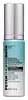
This hydrating serum is formulated around Sodium Hyaluronate and Lactic Acid to hydrate skin and brighten dull-looking skin.
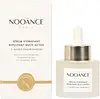
This hydrating serum is formulated around Niacinamide and Sodium Hyaluronate to hydrate skin and soften the look of wrinkles.


What's inside
What's inside
 Key Ingredients
Benefits
Concerns
Ingredients Side-by-side
Water
Skin ConditioningRicinus Communis Seed Oil
Masking




Butylene Glycol
Humectant
Isostearyl Neopentanoate
Emollient

Glycerin
Humectant
Sodium Hyaluronate
Humectant


Lactic Acid
Buffering






Sphingolipids
Emollient
Acrylates/C10-30 Alkyl Acrylate Crosspolymer
Emulsion StabilisingAmylopectin
Phospholipids
Skin Conditioning
Carbomer
Emulsion StabilisingPotassium Sorbate
Preservative
Ethylhexylglycerin
Skin ConditioningSodium Hydroxide
BufferingAscorbyl Palmitate
Antioxidant

Tocopherol
Antioxidant
Lecithin
Emollient
Sodium Benzoate
Masking
Malachite Extract
Antioxidant
Lithothamnion Calcareum Extract
Skin ConditioningSodium Citrate
BufferingPentylene Glycol
Skin Conditioning
Isostearyl Alcohol
Emollient
Xanthan Gum
EmulsifyingHydrogenated Palm Glycerides Citrate
Emollient
Dimethicone
Emollient
CI 42090
Cosmetic ColorantPhenoxyethanol
Preservative
Water, Ricinus Communis Seed Oil, Butylene Glycol, Isostearyl Neopentanoate, Glycerin, Sodium Hyaluronate, Lactic Acid, Sphingolipids, Acrylates/C10-30 Alkyl Acrylate Crosspolymer, Amylopectin, Phospholipids, Carbomer, Potassium Sorbate, Ethylhexylglycerin, Sodium Hydroxide, Ascorbyl Palmitate, Tocopherol, Lecithin, Sodium Benzoate, Malachite Extract, Lithothamnion Calcareum Extract, Sodium Citrate, Pentylene Glycol, Isostearyl Alcohol, Xanthan Gum, Hydrogenated Palm Glycerides Citrate, Dimethicone, CI 42090, Phenoxyethanol
Water
Skin ConditioningDipropylene Glycol
HumectantNiacinamide
Smoothing


Pentylene Glycol
Skin Conditioning
Glycerin
Humectant
Hydrolyzed Yeast Extract
Skin ConditioningGlycereth-26
Humectant
Panthenol
Skin Conditioning
Hydrolyzed Hyaluronic Acid
Humectant
Sodium Hyaluronate
Humectant
Sodium Acetylated Hyaluronate
Humectant
Sodium Hyaluronate Crosspolymer
Humectant
Hydrolyzed Sodium Hyaluronate
Skin Conditioning
Polyglutamic Acid
Skin Conditioning
Centella Asiatica Leaf Cell Extract
Antioxidant
Sodium Carboxymethyl Beta-Glucan
CleansingPolyglucuronic Acid
Skin ConditioningCarnosine
Skin Conditioning
Acetyl Hexapeptide-8
Humectant
N-Prolyl Palmitoyl Tripeptide-56 Acetate
Skin Conditioning
Palmitoyl Tripeptide-1
Skin Conditioning
Palmitoyl Heptapeptide-27
Skin Conditioning
Palmitoyl Oligopeptide-78
Skin Conditioning
Palmitoyl Tetrapeptide-7
Skin Conditioning
Heptapeptide-15 Palmitate
Skin Conditioning
Palmitoyl Octapeptide-24
Skin Conditioning
Arginine
Masking
Phospholipids
Skin Conditioning
Lecithin
Emollient
Sphingolipids
Emollient
Chlorella Vulgaris Extract
Skin ConditioningAlpha-Arbutin
Antioxidant
Dipotassium Glycyrrhizate
Humectant
Camellia Sinensis Leaf Extract
Antimicrobial
Carbomer
Emulsion StabilisingSodium Lactate
Buffering
Cetyl Hydroxyethylcellulose
Emulsion StabilisingLactic Acid/Glycolic Acid Copolymer
Skin ConditioningAscorbyl Palmitate
Antioxidant
Tocopherol
Antioxidant
Butylene Glycol
Humectant
Chlorphenesin
Antimicrobial
Citric Acid
Buffering
Caprylyl Glycol
Emollient
Polysorbate 20
Emulsifying
Hydrogenated Palm Glycerides Citrate
Emollient
Potassium Sorbate
Preservative
Sodium Benzoate
Masking
Sodium Citrate
BufferingEthylhexylglycerin
Skin ConditioningPolyvinyl Alcohol
Phenoxyethanol
Preservative
Sodium Hydroxide
BufferingWater, Dipropylene Glycol, Niacinamide, Pentylene Glycol, Glycerin, Hydrolyzed Yeast Extract, Glycereth-26, Panthenol, Hydrolyzed Hyaluronic Acid, Sodium Hyaluronate, Sodium Acetylated Hyaluronate, Sodium Hyaluronate Crosspolymer, Hydrolyzed Sodium Hyaluronate, Polyglutamic Acid, Centella Asiatica Leaf Cell Extract, Sodium Carboxymethyl Beta-Glucan, Polyglucuronic Acid, Carnosine, Acetyl Hexapeptide-8, N-Prolyl Palmitoyl Tripeptide-56 Acetate, Palmitoyl Tripeptide-1, Palmitoyl Heptapeptide-27, Palmitoyl Oligopeptide-78, Palmitoyl Tetrapeptide-7, Heptapeptide-15 Palmitate, Palmitoyl Octapeptide-24, Arginine, Phospholipids, Lecithin, Sphingolipids, Chlorella Vulgaris Extract, Alpha-Arbutin, Dipotassium Glycyrrhizate, Camellia Sinensis Leaf Extract, Carbomer, Sodium Lactate, Cetyl Hydroxyethylcellulose, Lactic Acid/Glycolic Acid Copolymer, Ascorbyl Palmitate, Tocopherol, Butylene Glycol, Chlorphenesin, Citric Acid, Caprylyl Glycol, Polysorbate 20, Hydrogenated Palm Glycerides Citrate, Potassium Sorbate, Sodium Benzoate, Sodium Citrate, Ethylhexylglycerin, Polyvinyl Alcohol, Phenoxyethanol, Sodium Hydroxide
Ingredients Explained
These ingredients are found in both products.
Ingredients higher up in an ingredient list are typically present in a larger amount.
Ascorbyl Palmitate is a fat-soluble form of vitamin C (Ascorbic Acid) made by combining it with palmitic acid.
It is able to blend easily into creams and oil-based formulas because it dissolves in oils rather than water.
As you may know, regular vitamin C is notorious for breaking down when exposed to sunlight and air. Ascorbyl Palmitate is more stable and degrades at a slower rate.
Research on whether it converts efficiently into active vitamin C once it's applied on your skin is still limited.
Some in-vitro studies suggest it may support collagen production, but it is not considered one of the stronger vitamin C derivatives, like:
Due to the palmitic acid base, this ingredient may not be fungal acne safe. Comedogenic studies have also shown this ingredient to have a rating of 2.
It's also worth keeping in mind that comedogenic and irritancy ratings are tested on individual ingredients, not finished formulas. The final product's formulation, concentration, and other ingredients all play a role in how something actually behaves on your skin.
Learn more about Ascorbyl PalmitateButylene Glycol (or BG) is used within cosmetic products for a few different reasons:
Overall, Butylene Glycol is a safe and well-rounded ingredient that works well with other ingredients.
Though this ingredient works well with most skin types, some people with sensitive skin may experience a reaction such as allergic rashes, closed comedones, or itchiness.
Learn more about Butylene GlycolCarbomer is a synthetic thickening and gelling agent. It's basically the ingredient that gives a lot of serums, gels, creams, and sunscreens their smooth, non-sticky texture.
Although legally permitted at very high levels, carbomers are normally used at concentrations below 1%.
It also needs to be neutralized to actually thicken, and because it is a large molecule, it doesn't really penetrate the skin barrier.
Allergy-wise, the risk is very low. Clinical studies show carbomers have low potential for skin irritation/sensitization even at concentrations up to 100%.
A 2024 UK study patch-tested 1,302 patients and found true allergy to the parent group of carbomer to be rare with no confirmed relevant reactions.
Learn more about CarbomerEthylhexylglycerin is created from glycerin. It is a multitasker ingredient that:
The CIR Expert Panel found minimal skin absorption or sensitization of any kind in a safety assessment. Though this ingredient is considered well-tolerated, a small number of cases of allergic dermatitis have been published since 2002. Just be sure to patch test if you are unsure.
Industry-reported use ranges from 8% in rinse-off products and 2% in leave-on formulations.
Learn more about EthylhexylglycerinGlycerin (or glycerol) is a compound naturally found in your skin. It's a powerhouse humectant that pulls water into the stratum corneum.
Topically, glycerin does several things at once:
Your skin makes glycerin on its own (mostly from sebaceous oil breakdown) and shuttles it to your outermost layer of skin, or your epidermis, via aquaporin-3.
Aquaporin-3 is a transporter that is essential for normal skin hydration, elasticity, and repair. Interestingly, mice lacking in AQP3 have dry and less elastic skin that can be fully corrected with glycerin.
This ingredient is non-irritating, plays well with almost every ingredient, and works across all skin types. Typical use is anywhere between 3-10% but can go up to 79% in some leave-on products.
Just know very high concentrations (>40%) can feel tacky in low humidity.
Glycerin is the name for this ingredient in American English. British English uses Glycerol/Glycerine.
Learn more about GlycerinHydrogenated Palm Glycerides Citrate isn't fungal acne safe.
Lecithin is a term for a group of substances found in the cell membranes of plants, animals, and humans. They are made up of phospholipids.
Thanks to its amphiphilic structure (water-loving head and oil-loving tail), it is a true multitasker:
It plays well with most ingredients and is typically used at 0.1-1%. However, concentrations up to 50% have been reported in moisturizers.
Learn more about LecithinPentylene Glycol (1,2-pentanediol) is a multitasking little diol with three main roles in a formula:
Research on alkanediols (the family pentylene glycol belongs to) show they work by disrupting microbial cell membranes. This disruption helps the primary preservative system in a product work more effectively at lower doses.
On the safety side, the Cosmetic Ingredient Review Expert Panel has concluded this ingredient to be safe as used in current cosmetic practices + concentrations.
Typical use levels in a formula run about 1-5%.
Learn more about Pentylene GlycolPhenoxyethanol is one of the most widely used preservatives in skincare (and for good reason!).
It has a large spectrum of antimicrobial activity and especially effective bacteria, yeast, and mold while only having a weak effect on your skin's natural microbiome.
On a cellular level, it disrupts the cell membranes of microbes by poking holes that make the cell leak. This shuts down the chemical reactions the microbe needs to make energy so it can no longer survive.
Another perk of this ingredient is that it stays functional across a wide pH range (3-10).
You'll often see it paired with boosters like Ethylhexylglycerin; one study showed that a 1:9 ratio of Ethylhexylglycerin to Phenoxyethanol damages bacterial membranes as effectively as doubling the Phenoxyethanol concentration on its own.
Typical use concentrations range from 0.3-1% depending on the formula, and this ingredient is capped at 1% int the EU.
Safety-wise, the fear mongering does not hold up to the evidence. The EU's Scientific Committee on Consumer Safety and FDA consider it safe as a preservative at up to 1%, including for children of all ages.
Adverse systemic effects only showed up in animal studies at exposures roughly 200x higher than what people get from cosmetics. And despite its very widespread use, this ingredient is a rare sensitizer and allergic reactions are uncommon.
Learn more about PhenoxyethanolPhospholipids are a family of skin-identical lipids that makeup the structural backbone of every cell membrane in your body.
In cosmetics, they function as skin conditioning agents with emulsifier and surfactant properties. They're typically sourced from soybean or sunflower lecithin (or sometimes egg yolk or marine sources).
Because they mirror the lipids naturally found in the deeper layers of your skin, topical phospholipids help reinforce the lipid matrix, reduce transepidermal water loss, and leave skin feeling conditioned.
They're also used to form liposomes, or tiny self-assembling vesible used to stabilize actives like vitamin c or retinol. This helps these ingredients integrate into the upper layers of skin more easily.
Phospholipids are compatible with everything and the CIR Expert Panel has concluded them to be safe at current use levels.
Some types of phospholipids include:
Learn more about PhospholipidsPotassium Sorbate is a preservative used to prevent yeast and mold in products. It is commonly found in both cosmetic and food products.
This ingredient comes from potassium salt derived from sorbic acid. Sorbic acid is a natural antibiotic and effective against fungus.
Both potassium sorbate and sorbic acid can be found in baked goods, cheeses, dried meats, dried fruit, ice cream, pickles, wine, yogurt, and more.
You'll often find this ingredient used with other preservatives.
Learn more about Potassium SorbateSodium Benzoate is a preservative. It's used in both cosmetic and food products to inhibit the growth of mold and bacteria. It is typically produced synthetically.
Both the US FDA and EU Health Committee have approved the use of sodium benzoate. In the US, levels of 0.1% (of the total product) are allowed.
Sodium benzoate works as a preservative by inhibiting the growth of bacteria inside of cells. It prevents the cell from fermenting a type of sugar using an enzyme called phosphofructokinase.
It is the salt of benzoic acid. Foods containing sodium benzoate include soda, salad dressings, condiments, fruit juices, wines, and snack foods.
Studies for using ascorbic acid and sodium benzoate in cosmetics are lacking, especially in skincare routines with multiple steps.
We always recommend speaking with a professional, such as a dermatologist, if you have any concerns.
Learn more about Sodium BenzoateSodium Citrate is the sodium salts of citric acid. In skincare, it is used to alter pH levels and acts as a preservative.
Its main functions are to maintain the pH of a product and neutralize metal ions.
The acidity of our skin is maintained by our glands and skin biome; normal pH level of skin is slightly acidic (~4.75-5.5).
Being slightly acidic allows our skin to create an "acid mantle". This acid mantle is a thin barrier that protects our skin from bacteria and contaminants.
Learn more about Sodium CitrateSodium Hyaluronate is the salt form of hyaluronic acid. It is a long sugar chain that is naturally found in your skin, joints, and connective tissue that maintains hydration and elasticity.
In skincare, it works as a humectant. It pulls water from the environment and deeper layers of skin and binds it to the surface.
Interestingly, the size of the molecule affects its behavior:
Some clinical evidence links low molecular weight versions to improved wrinkle depth, elasticity, anti-inflammatory effects, and barrier repair.
Many serums use a blend of both weights so you can get surface hydration plus longer-lasting and deeper effects.
You'll typically see concentrations between 0.1-2% for this ingredient.
Learn more about Sodium HyaluronateSodium Hydroxide is also known as lye or caustic soda. It is used to adjust the pH of products; many ingredients require a specific pH to be effective.
In small amounts, sodium hydroxide is considered safe to use. However, large amounts may cause chemical burns due to its high alkaline.
Your skin has a natural pH and acid mantle. This acid mantle helps prevent harmful bacteria from breaking through. The acid mantle also helps keep your skin hydrated.
"Alkaline" refers to a high pH level. A low pH level would be considered acidic.
Learn more about Sodium HydroxideSphingolipids are a major class of lipids in cell membranes. This ingredient has emollient, skin conditioning, and skin protecting properties.
Certain ceramides are considered sphingolipids (Ceramide NS and Ceramid AP), but not all sphingolipids are ceramides.
Tocopherol is a fat-soluble antioxidant known as Vitamin E.
You'll find this ingredient in the vast majority of skincare (for good reason). It works to neutralize free radicals, or unstable molecules generated by UV exposure, pollution, and other environmental stressors, before they can cause oxidative damage to your skin cells.
Topically applied tocopherol has been shown to protect against UV damage by ramping up the skin's own natural defense enzymes.
It also acts as a skin conditioning agent; some studies show that regular topical use can improve the skin's water-binding capacity over 2-4 weeks.
This ingredient is especially loved for being a team player. When combined with Vitamin C, the photoprotective effect of both ingredients roughly doubles and the combo also helps reduce UV-induced DNA damage.
This ingredient has some brightening potential but it's more of a prevention ingredient than spot-fader. Cell studies show it can slow down melanin production but it's worth noting that it's not the most powerful brightener out there.
In formulations, it also serves as a stabilizer that helps protect other oxidation-prone ingredients from degrading.
Concentrations usually range from 0.1-1% in most leave-on products.
Learn more about TocopherolWater. It's the most common cosmetic ingredient of all. You'll usually see it at the top of ingredient lists, meaning that it makes up the largest part of the product.
So why is it so popular? Water most often acts as a solvent - this means that it helps dissolve other ingredients into the formulation.
You'll also recognize water as that liquid we all need to stay alive. If you see this, drink a glass of water. Remember to stay hydrated!
Learn more about Water

