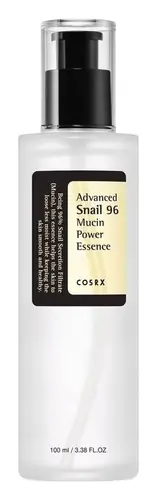
This anti-aging eye moisturizer is formulated around Palmitoyl Tetrapeptide-7 and Dipeptide-2 to soften the look of wrinkles and refine skin texture.
This anti-aging serum is formulated around Palmitoyl Tetrapeptide-7 and Acetyl Hexapeptide-8 to soften the look of wrinkles and refine skin texture.

What's inside
What's inside
 Key Ingredients
Benefits
Concerns
Ingredients Side-by-side
Water
Skin ConditioningGlycerin
Humectant


Butylene Glycol
Humectant
Sodium Silicate
BufferingMagnesium Aluminum Silicate
Absorbent
Sodium Magnesium Fluorosilicate
Abrasive
Palmitoyl Tetrapeptide-7
Skin Conditioning


Dipeptide-2
Skin Conditioning
Ascorbic Acid
Antioxidant



Tocopheryl Acetate
Antioxidant
Hesperidin Methyl Chalcone
Antioxidant
Retinyl Palmitate
Skin Conditioning


Panthenol
Skin Conditioning
Foeniculum Vulgare Seed Extract
Skin ConditioningMedicago Sativa Seed Extract
Skin ConditioningCarrageenan



Argania Spinosa Kernel Extract
Skin ConditioningPEG-8 Dimethicone
Emulsifying
Silica
Abrasive
Octyldodecanol
Emollient
Symphytum Officinale Leaf Extract
Skin ConditioningSodium Propoxyhydroxypropyl Thiosulfate Silica
BHT
Antioxidant
Disodium EDTA
ChelatingHydrolyzed Lupine Protein
Skin ConditioningSteareth-20
CleansingSodium Cocoyl Glutamate
Cleansing
Carbomer
Emulsion StabilisingChlorhexidine Digluconate
Antimicrobial
Ethylhexylglycerin
Skin ConditioningPotassium Sorbate
Preservative
Citric Acid
Buffering
Sodium Citrate
BufferingSodium Benzoate
Masking
Phenoxyethanol
Preservative
Water, Glycerin, Butylene Glycol, Sodium Silicate, Magnesium Aluminum Silicate, Sodium Magnesium Fluorosilicate, Palmitoyl Tetrapeptide-7, Dipeptide-2, Ascorbic Acid, Tocopheryl Acetate, Hesperidin Methyl Chalcone, Retinyl Palmitate, Panthenol, Foeniculum Vulgare Seed Extract, Medicago Sativa Seed Extract, Carrageenan, Argania Spinosa Kernel Extract, PEG-8 Dimethicone, Silica, Octyldodecanol, Symphytum Officinale Leaf Extract, Sodium Propoxyhydroxypropyl Thiosulfate Silica, BHT, Disodium EDTA, Hydrolyzed Lupine Protein, Steareth-20, Sodium Cocoyl Glutamate, Carbomer, Chlorhexidine Digluconate, Ethylhexylglycerin, Potassium Sorbate, Citric Acid, Sodium Citrate, Sodium Benzoate, Phenoxyethanol
Water
Skin ConditioningGlycerin
Humectant
Rosa Centifolia Flower Water
Skin ConditioningPropanediol
Solvent
Alcohol Denat.
Antimicrobial


Squalene
Emollient
Tetrapeptide-17
Skin Conditioning
Palmitoyl Dipeptide-10
Skin Conditioning
Palmitoyl Tetrapeptide-7
Skin Conditioning
Palmitoyl Hexapeptide-19
Skin Conditioning
Palmitoyl Oligopeptide
Cleansing
Tripeptide-10 Citrulline
Skin Conditioning
Tripeptide-1
Skin Conditioning
Caprooyl Tetrapeptide-3
Skin Protecting
Acetyl Octapeptide-3
Humectant
Acetyl Hexapeptide-30
Skin Conditioning
Acetyl Hexapeptide-8
Humectant
Pentapeptide-18
Skin Conditioning
Palmitoyl Tripeptide-5
Skin Conditioning
Palmitoyl Tripeptide-38
Skin Conditioning
Dipeptide Diaminobutyroyl Benzylamide Diacetate
Skin Conditioning
Acetyl Hexapeptide-20
Skin Conditioning
Sodium Hyaluronate
Humectant
Arginine
Masking
Tocopheryl Acetate
Antioxidant
Retinyl Palmitate
Skin Conditioning
Ascorbyl Palmitate
Antioxidant
Pseudoalteromonas Ferment Extract
Humectant
Hydrolyzed Wheat Protein
Skin ConditioningHydrolyzed Soy Protein
Humectant
Acetylarginyltryptophyl Diphenylglycine
Skin ConditioningHydroxypropyl Cyclodextrin
MaskingIsopropyl Myristate
Emollient
Butylene Glycol
Humectant
Polysorbate 20
Emulsifying
Gluconolactone
Chelating

Xanthan Gum
EmulsifyingLecithin
Emollient
Carbomer
Emulsion StabilisingDextran
Triethanolamine
BufferingPotassium Sorbate
Preservative
Sodium Benzoate
Masking
Caprylyl Glycol
Emollient
Propylene Glycol
Humectant
Diazolidinyl Urea
Preservative
Methylparaben
Preservative

Propylparaben
Preservative
Isobutylparaben
Antimicrobial
Ethylparaben
Preservative
Butylparaben
Masking
Phenoxyethanol
Preservative
CI 17200
Cosmetic ColorantWater, Glycerin, Rosa Centifolia Flower Water, Propanediol, Alcohol Denat., Squalene, Tetrapeptide-17, Palmitoyl Dipeptide-10, Palmitoyl Tetrapeptide-7, Palmitoyl Hexapeptide-19, Palmitoyl Oligopeptide, Tripeptide-10 Citrulline, Tripeptide-1, Caprooyl Tetrapeptide-3, Acetyl Octapeptide-3, Acetyl Hexapeptide-30, Acetyl Hexapeptide-8, Pentapeptide-18, Palmitoyl Tripeptide-5, Palmitoyl Tripeptide-38, Dipeptide Diaminobutyroyl Benzylamide Diacetate, Acetyl Hexapeptide-20, Sodium Hyaluronate, Arginine, Tocopheryl Acetate, Retinyl Palmitate, Ascorbyl Palmitate, Pseudoalteromonas Ferment Extract, Hydrolyzed Wheat Protein, Hydrolyzed Soy Protein, Acetylarginyltryptophyl Diphenylglycine, Hydroxypropyl Cyclodextrin, Isopropyl Myristate, Butylene Glycol, Polysorbate 20, Gluconolactone, Xanthan Gum, Lecithin, Carbomer, Dextran, Triethanolamine, Potassium Sorbate, Sodium Benzoate, Caprylyl Glycol, Propylene Glycol, Diazolidinyl Urea, Methylparaben, Propylparaben, Isobutylparaben, Ethylparaben, Butylparaben, Phenoxyethanol, CI 17200
Ingredients Explained
These ingredients are found in both products.
Ingredients higher up in an ingredient list are typically present in a larger amount.
Butylene Glycol (or BG) is used within cosmetic products for a few different reasons:
Overall, Butylene Glycol is a safe and well-rounded ingredient that works well with other ingredients.
Though this ingredient works well with most skin types, some people with sensitive skin may experience a reaction such as allergic rashes, closed comedones, or itchiness.
Learn more about Butylene GlycolCarbomer is a synthetic thickening and gelling agent. It's basically the ingredient that gives a lot of serums, gels, creams, and sunscreens their smooth, non-sticky texture.
Although legally permitted at very high levels, carbomers are normally used at concentrations below 1%.
It also needs to be neutralized to actually thicken, and because it is a large molecule, it doesn't really penetrate the skin barrier.
Allergy-wise, the risk is very low. Clinical studies show carbomers have low potential for skin irritation/sensitization even at concentrations up to 100%.
A 2024 UK study patch-tested 1,302 patients and found true allergy to the parent group of carbomer to be rare with no confirmed relevant reactions.
Learn more about CarbomerGlycerin (or glycerol) is a compound naturally found in your skin. It's a powerhouse humectant that pulls water into the stratum corneum.
Topically, glycerin does several things at once:
Your skin makes glycerin on its own (mostly from sebaceous oil breakdown) and shuttles it to your outermost layer of skin, or your epidermis, via aquaporin-3.
Aquaporin-3 is a transporter that is essential for normal skin hydration, elasticity, and repair. Interestingly, mice lacking in AQP3 have dry and less elastic skin that can be fully corrected with glycerin.
This ingredient is non-irritating, plays well with almost every ingredient, and works across all skin types. Typical use is anywhere between 3-10% but can go up to 79% in some leave-on products.
Just know very high concentrations (>40%) can feel tacky in low humidity.
Glycerin is the name for this ingredient in American English. British English uses Glycerol/Glycerine.
Learn more about GlycerinPalmitoyl Tetrapeptide-7 (formerly Palmitoyl Tetrapeptide-3) is a synthetic peptide. Its main job is to fight what researchers call "inflammaging".
"Inflammaging" is the slow, low-grade chronic inflammation that quietly breaks down collagen as we age.
This ingredient calms down a specific inflammation signal in your skin cells (called IL-6). When left unchecked, this signal triggers enzymes that break down collagen and elastin.
Clinical testing showed statistically significant improvements in:
Studies also found the more of this ingredient used, the more your skin produces Collagen I, fibronectin, and hyaluronic acid.
You'll likely see this ingredient paired with Palmitoyl Tripeptide-1 in the well-known Matrixyl 3000 complex for enhanced anti-aging effects.
A 3% concentration applied twice daily for two months showed meaningful skin rejuvenation results in clinical panels.
Fungal acne note:
Usually a palmitic acid component can feed Malassezia in unbound form, but here is is covalently bonded to the peptide. This means it is very difficult for Malassezia to access, and therefore very unlikely to cause fungal acne.
Phenoxyethanol is one of the most widely used preservatives in skincare (and for good reason!).
It has a large spectrum of antimicrobial activity and especially effective bacteria, yeast, and mold while only having a weak effect on your skin's natural microbiome.
On a cellular level, it disrupts the cell membranes of microbes by poking holes that make the cell leak. This shuts down the chemical reactions the microbe needs to make energy so it can no longer survive.
Another perk of this ingredient is that it stays functional across a wide pH range (3-10).
You'll often see it paired with boosters like Ethylhexylglycerin; one study showed that a 1:9 ratio of Ethylhexylglycerin to Phenoxyethanol damages bacterial membranes as effectively as doubling the Phenoxyethanol concentration on its own.
Typical use concentrations range from 0.3-1% depending on the formula, and this ingredient is capped at 1% int the EU.
Safety-wise, the fear mongering does not hold up to the evidence. The EU's Scientific Committee on Consumer Safety and FDA consider it safe as a preservative at up to 1%, including for children of all ages.
Adverse systemic effects only showed up in animal studies at exposures roughly 200x higher than what people get from cosmetics. And despite its very widespread use, this ingredient is a rare sensitizer and allergic reactions are uncommon.
Learn more about PhenoxyethanolPotassium Sorbate is a preservative used to prevent yeast and mold in products. It is commonly found in both cosmetic and food products.
This ingredient comes from potassium salt derived from sorbic acid. Sorbic acid is a natural antibiotic and effective against fungus.
Both potassium sorbate and sorbic acid can be found in baked goods, cheeses, dried meats, dried fruit, ice cream, pickles, wine, yogurt, and more.
You'll often find this ingredient used with other preservatives.
Learn more about Potassium SorbateRetinyl Palmitate is a form of retinoid. Retinoids are the superstar class of anti-aging ingredients that include Tretinoin and Retinol.
This particular ingredient has had a bumpy year with its rise and fall in popularity.
First, Retinyl Palmitate is created from Palmitic Acid and Retinol. It is a Retinol ester and considered one of the weaker forms of retinoid.
This is because all retinoids have to be converted to Tretinoin, AKA Retinoic Acid.
Retinyl Palmitate is pretty far down the line and has to go through multiple conversions before its effects are seen. Once it's on your skin, enzymes called esterases convert it into Retinol, then into Retinal, and finally into Retinoic Acid; that's three steps with a little lost at each one.
The benefits of Retinyl Palmitate are debated due to this long and ineffective conversion line.
So why use it at all?
The answer is stability. Retinol and Retinoic Acid break down fast when they hit light, heat, and air, and Retinoic Acid can be pretty irritating on top of that.
Retinyl Palmitate is much more stable and gentler, making it easier to formulate with and easier on sensitive skin (even if it's weaker gram for gram).
Studies show Retinyl Palmitate to help:
Newer research from 2023-2025 also found that Retinyl Palmitate works especially well when paired with Retinol. The two seem to cover each other's weak spots; retinol brings the potency while Retinyl Palmitate brings the stability and gentleness. Together, they repair UV damage better than either one does alone.
This ingredient used to be found in sunscreens to boost the efficacy of sunscreen filters.
The downfall of Retinyl Palmitate was due to released reports about the ingredient being correlated to sun damage and skin tumors.
Most of this traces back to a 2012 US National Toxicology Program (NTP) study where hairless mice coated in Retinyl Palmitate cream and exposed to UV light developed skin tumors faster.
Here's the nuance, though.
When the Cosmetic Ingredient Review (CIR) Expert Panel went back through that study, they found methodological flaws and decided the results couldn't be interpreted as proof of extra risk.
The EU's Scientific Committee on Consumer Safety (SCCS) said the mouse findings might point to a concern but they're hard to apply to humans since hairless mouse skin and human skin behave differently.
While there is a study showing this ingredient to cause DNA damage when exposed to UVA, there is no concrete proof of it being linked to skin cancer. It is completely safe to use when used correctly.
Both the CIR and the SCCS consider it safe at the concentrations used in cosmetics; the SCCS specifically cleared retinoids up to 0.05% in body lotions and 0.3% in face creams, hand creams, and rinse-off products.
As of 2025, the EU has written those limits into law, plus a label warning about your total Vitamin A intake from all sources.
All retinoids increase your skin's sensitivity to the sun in the first few months of usage. Be especially careful with reapplying sunscreen when using any form of retinoid.
One more note: if you're pregnant, high doses of Vitamin A can be a concern, so a lot of people skip topical retinoids (including Retinyl Palmitate) during pregnancy just to be safe. Check with your doctor if you're unsure.
Fun fact: This ingredient is often added to low-fat milk to increase the levels of Vitamin A.
Learn more about Retinyl PalmitateSodium Benzoate is a preservative. It's used in both cosmetic and food products to inhibit the growth of mold and bacteria. It is typically produced synthetically.
Both the US FDA and EU Health Committee have approved the use of sodium benzoate. In the US, levels of 0.1% (of the total product) are allowed.
Sodium benzoate works as a preservative by inhibiting the growth of bacteria inside of cells. It prevents the cell from fermenting a type of sugar using an enzyme called phosphofructokinase.
It is the salt of benzoic acid. Foods containing sodium benzoate include soda, salad dressings, condiments, fruit juices, wines, and snack foods.
Studies for using ascorbic acid and sodium benzoate in cosmetics are lacking, especially in skincare routines with multiple steps.
We always recommend speaking with a professional, such as a dermatologist, if you have any concerns.
Learn more about Sodium BenzoateTocopheryl Acetate is a stable, shelf-friendly form of vitamin E.
Formulators love it because plain vitamin E oxidizes quickly once it hits air. This acetate version stays stable and resists going off, helping to extend a product's shelf life.
It's actually inactive on its own and works like a slow-release "storage" form; the enzymes in your skin called esterases gradually convert it into active vitamin E over time.
One in vivo study showed 5% of the acetate in the living layer of the epidermis converted to vitamin E after 5 days of application. This study also found the skin gained protection against UV damage even though the conversion was slow and small.
Once converted, vitamin E acts as a skin's main fat-soluble antioxidant that fights free radicals to protect skin from damage.
Topical vitamin E generally boosts the skin's photoprotection, and it reduced UV-damage in animal models.
This ingredient has some brightening potential but it's more of a prevention ingredient than spot-fader. Cell studies show it can slow down melanin production but it's worth noting that it's not the most powerful brightener out there.
Overall, it has a pretty solid safety profile and has been found to be non-irritating and non-comedogenic. Allergic reactions may happen but stay rare due to how widely the ingredient gets used.
The concentration will vary depending on the formula; industry data shows 0.1% in baby lotions, 3% in lipsticks, and 5% in foot powders. You can also find this ingredient at 100% in a pure vitamin E oil.
Most leave-on skincare keeps it at the lower end, often between 0.5-1%.
Learn more about Tocopheryl AcetateWater. It's the most common cosmetic ingredient of all. You'll usually see it at the top of ingredient lists, meaning that it makes up the largest part of the product.
So why is it so popular? Water most often acts as a solvent - this means that it helps dissolve other ingredients into the formulation.
You'll also recognize water as that liquid we all need to stay alive. If you see this, drink a glass of water. Remember to stay hydrated!
Learn more about Water