Perricone MD Essential FX Acyl-Glutathione Rejuvenating Moisturizer Versus Perricone MD Essential Fx Acyl-Glutathione Eyelid Lift Serum
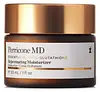
This anti-aging moisturizer is formulated around Tetrahexyldecyl Ascorbate and Lactic Acid to soften the look of wrinkles and refine skin texture.
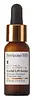
This anti-aging eye moisturizer is formulated around Tetrahexyldecyl Ascorbate and Palmitoyl Tripeptide-38 to soften the look of wrinkles and refine skin texture.

What's inside
What's inside
 Key Ingredients
Benefits
Concerns
Ingredients Side-by-side
Water
Skin ConditioningEthylhexyl Palmitate
Emollient




Glycerin
Humectant


Dimethicone
Emollient
Cetearyl Alcohol
Emollient

Glyceryl Stearate
Emollient
Polysorbate 60
Emulsifying
Palmitoyl Glycine
CleansingS-Palmitoylglutathione
Antioxidant
Tetrahexyldecyl Ascorbate
Antioxidant




PEG-100 Stearate
Surfactant
Ribose
HumectantLactic Acid
Buffering




Linum Usitatissimum Seed Oil
Perfuming

Macadamia Ternifolia Seed Oil
Emollient
Phospholipids
Skin Conditioning
Polyglyceryl-10 Stearate
Skin Conditioning
Ethylhexylglycerin
Skin ConditioningSalvia Hispanica Seed Oil
Emollient
Tocopherol
Antioxidant
Helianthus Annuus Seed Oil
Emollient
Rosmarinus Officinalis Leaf Extract
AntimicrobialTetrasodium Glutamate Diacetate
ChelatingSodium Hydroxide
BufferingPolyacrylamide
Sodium Acrylates Copolymer
Polysilicone-11
Hydrogenated Polyisobutene
EmollientC13-14 Isoparaffin
Emollient
Laureth-7
EmulsifyingPhenoxyethanol
Preservative
Parfum
Masking
Citronellol
Perfuming
Hydroxycitronellal
Perfuming
Limonene
Perfuming
Linalool
Perfuming
Water, Ethylhexyl Palmitate, Glycerin, Dimethicone, Cetearyl Alcohol, Glyceryl Stearate, Polysorbate 60, Palmitoyl Glycine, S-Palmitoylglutathione, Tetrahexyldecyl Ascorbate, PEG-100 Stearate, Ribose, Lactic Acid, Linum Usitatissimum Seed Oil, Macadamia Ternifolia Seed Oil, Phospholipids, Polyglyceryl-10 Stearate, Ethylhexylglycerin, Salvia Hispanica Seed Oil, Tocopherol, Helianthus Annuus Seed Oil, Rosmarinus Officinalis Leaf Extract, Tetrasodium Glutamate Diacetate, Sodium Hydroxide, Polyacrylamide, Sodium Acrylates Copolymer, Polysilicone-11, Hydrogenated Polyisobutene, C13-14 Isoparaffin, Laureth-7, Phenoxyethanol, Parfum, Citronellol, Hydroxycitronellal, Limonene, Linalool
Water
Skin ConditioningPropanediol
Solvent
Pantethine
EmollientGlycerin
Humectant
Tetrahexyldecyl Ascorbate
Antioxidant
S-Palmitoylglutathione
Antioxidant
Dimethyl Mea
BufferingPalmitoyl Tripeptide-38
Skin Conditioning
Acetyl Tyrosine
Skin ConditioningAvena Sativa Kernel Extract
Abrasive

Xanthan Gum
EmulsifyingMacadamia Ternifolia Seed Oil
Emollient
Linum Usitatissimum Seed Oil
Perfuming
Salvia Hispanica Seed Oil
Emollient
Silica Cetyl Silylate
Ethylhexylglycerin
Skin ConditioningSodium Hyaluronate
Humectant
Helianthus Annuus Seed Oil
Emollient
Rosmarinus Officinalis Leaf Extract
AntimicrobialTetrasodium Glutamate Diacetate
ChelatingAcrylates/C10-30 Alkyl Acrylate Crosspolymer
Emulsion StabilisingCaprylyl Glycol
Emollient
Hydroxypropyl Cyclodextrin
MaskingPhenoxyethanol
Preservative
Silica
Abrasive
CI 77891
Cosmetic ColorantCI 77491
Cosmetic ColorantWater, Propanediol, Pantethine, Glycerin, Tetrahexyldecyl Ascorbate, S-Palmitoylglutathione, Dimethyl Mea, Palmitoyl Tripeptide-38, Acetyl Tyrosine, Avena Sativa Kernel Extract, Xanthan Gum, Macadamia Ternifolia Seed Oil, Linum Usitatissimum Seed Oil, Salvia Hispanica Seed Oil, Silica Cetyl Silylate, Ethylhexylglycerin, Sodium Hyaluronate, Helianthus Annuus Seed Oil, Rosmarinus Officinalis Leaf Extract, Tetrasodium Glutamate Diacetate, Acrylates/C10-30 Alkyl Acrylate Crosspolymer, Caprylyl Glycol, Hydroxypropyl Cyclodextrin, Phenoxyethanol, Silica, CI 77891, CI 77491
Reviews
Ingredients Explained
These ingredients are found in both products.
Ingredients higher up in an ingredient list are typically present in a larger amount.
Ethylhexylglycerin is created from glycerin. It is a multitasker ingredient that:
The CIR Expert Panel found minimal skin absorption or sensitization of any kind in a safety assessment. Though this ingredient is considered well-tolerated, a small number of cases of allergic dermatitis have been published since 2002. Just be sure to patch test if you are unsure.
Industry-reported use ranges from 8% in rinse-off products and 2% in leave-on formulations.
Learn more about EthylhexylglycerinGlycerin (or glycerol) is a compound naturally found in your skin. It's a powerhouse humectant that pulls water into the stratum corneum.
Topically, glycerin does several things at once:
Your skin makes glycerin on its own (mostly from sebaceous oil breakdown) and shuttles it to your outermost layer of skin, or your epidermis, via aquaporin-3.
Aquaporin-3 is a transporter that is essential for normal skin hydration, elasticity, and repair. Interestingly, mice lacking in AQP3 have dry and less elastic skin that can be fully corrected with glycerin.
This ingredient is non-irritating, plays well with almost every ingredient, and works across all skin types. Typical use is anywhere between 3-10% but can go up to 79% in some leave-on products.
Just know very high concentrations (>40%) can feel tacky in low humidity.
Glycerin is the name for this ingredient in American English. British English uses Glycerol/Glycerine.
Learn more about GlycerinHelianthus Annuus Seed Oil is a plant oil derived from the seeds of a sunflower.
It is rich in fatty acids, primarily linoleic acid and oleic acid. This gives it emollient and skin conditioning properties.
The reason this ingredient is so effective is because it forms a thin film on the skin that reduces transepidermal water loss (TEWL) while supplying linoleic acid to the stratum corneum to improve barrier strength.
The high linoleic acid content is particularly noteworthy for acne-prone skin.
Research suggests that acne-prone skin tends to be deficient in linoleic acid in sebum. Topical application may help replenish this to support a healthier follicular environment and less comedone-promoting sebum.
One randomized study found sunflower seed oil preserved skin barrier integrity in adult volunteers with and without atopic dermatitis (outperforming olive oil).
This ingredient is well-studied, gentle, and an effective emollient suitable for most skin types.
On fungal acne: This ingredient may not be Fungal acne (Malassezia folliculitis) safe. This is because it contains fatty acids with carbon chain lengths in the C11-C24 range.
Learn more about Helianthus Annuus Seed OilThis ingredient is also known as flaxseed oil or linseed oil. It is created by cold-pressing the seeds of the flax plant and is rich in fatty acids.
This oil is packed with omega-3 (ALA), omega-6, and omega-9 fatty acids that closely mimic the skin's own natural lipid barrier. The high omega-3 content gives it solid anti-inflammatory properties.
Clinical studies have found it can reduce water loss and improve smoothness/hydration, particularly in sensitive skin types. Studies also suggest it helps maintain the lipid layer that is compromised in atopic (eczema-prone) skin.
Wound healing studies showed that low-concentration linseed oil formulations (1-5%) produced significant barrier repair, but it should be noted that high concentrations showed diminishing returns.
Due to the rich fatty acid content, this ingredient may not be fungal acne safe.
Learn more about Linum Usitatissimum Seed OilThis ingredient is also known as Macadamia Seed Oil. It's an emollient with a fatty acid profile that closely mirrors the skin's own lipid makeup.
The palmitoleic acid content is especially notable as it's somewhat rare in plant oils. Palmitoleic acid is something your skin already makes naturally. It helps keep cell membranes structured and plays a role in fighting off harmful microbes.
This palmitoleic content is also part of why macademia seed oil absorbs quickly and doesn't leave much of a greasy residue.
It also contains oleic acid, linoleic acid, and phytosterols that can help reduce redness.
In vitro research has shown the oil to have meaningful antioxidant activity, protect fats in the skin from oxidative damage, and slow down the enzyme that breaks down hyaluronic acid.
A 2024 clinical study found it effective at improving skin hydratino and reducing wrinkle appearance when formulated into nanoemulsions.
Because it carries oleic acid (C18) and palmitic acid (C16), this ingredient may not be fungal acne safe. This is because the Malassezia yeast metabolizes in the C11-24 chain length range.
You'll also see this ingredient listed as: Macadamia Integrifolia Seed Oil .
These two oils are identical in composition and M. ternifolia is an older INCI naming convention for the edible macadamia nut while M. integrifolia is the species actually cultivated for oil production. Both names refer to the same oil.
Learn more about Macadamia Ternifolia Seed OilPhenoxyethanol is one of the most widely used preservatives in skincare (and for good reason!).
It has a large spectrum of antimicrobial activity and especially effective bacteria, yeast, and mold while only having a weak effect on your skin's natural microbiome.
On a cellular level, it disrupts the cell membranes of microbes by poking holes that make the cell leak. This shuts down the chemical reactions the microbe needs to make energy so it can no longer survive.
Another perk of this ingredient is that it stays functional across a wide pH range (3-10).
You'll often see it paired with boosters like Ethylhexylglycerin; one study showed that a 1:9 ratio of Ethylhexylglycerin to Phenoxyethanol damages bacterial membranes as effectively as doubling the Phenoxyethanol concentration on its own.
Typical use concentrations range from 0.3-1% depending on the formula, and this ingredient is capped at 1% int the EU.
Safety-wise, the fear mongering does not hold up to the evidence. The EU's Scientific Committee on Consumer Safety and FDA consider it safe as a preservative at up to 1%, including for children of all ages.
Adverse systemic effects only showed up in animal studies at exposures roughly 200x higher than what people get from cosmetics. And despite its very widespread use, this ingredient is a rare sensitizer and allergic reactions are uncommon.
Learn more about PhenoxyethanolThis is a botanical extract from the rosemary plant (the same one you cook with). In skincare, it mostly works as a skin conditioning agent.
Its activity comes from a handful of polyphenols, carnosic acid, carnosol, and rosmarinic acid. Almost 90% of the antioxidant activity of this ingredient can be attributed to canosol and carnosic acid.
These compounds protect your skin two ways:
1) They fight off free radicals, or the unstable molecules from things like sun and pollution that age and damage skin.
2) They help calm inflammation by switching off the chemical signals that tell skin to get red and irritated.
Lab studies also suggest that rosmarinic acid may help protect collagen and slow sugar-related damage to it.
The Cosmetic Ingredient Review has concluded rosemary-derived ingredients to be safe when formulated to be non-sensitizing.
Rosemary can occasionally cause allergic contact dermatitis (due to carnosol), so be sure to patch test if you have reactive or fragrance-sensitive skin.
Learn more about Rosmarinus Officinalis Leaf ExtractS-Palmitoylglutathione is an antioxidant.
This ingredient is also known as Chia Seed Oil. It is rich in fatty acids, especially linolenic acid and linoleic acid.
Research shows topical application of chia seed oil improves skin hydration and barrier function. In vitro studies show the chia seed oil especially rich in linolenic acid can increase the skin's natural ability to hydrate and even boost natural hyaluronic acid.
Due to its fatty acid content, this ingredient may not be Malassezia folliculitis safe.
Learn more about Salvia Hispanica Seed OilTetrahexyldecyl Ascorbate (THD) is a stable and oil-soluble form of Vitamin C.
THD is special in that it has the ability to travel deeper into skin than traditional ascorbic acid while maintaining the same skin benefits (double win!).
Because it’s oil-soluble, THD dives deep into your skin’s fatty layers (think ceramides and cholesterol) to fight off the kind of free radicals that mess with your skin barrier. This makes it a great pair with water-based vitamin C (ascorbic acid) that mainly works on the surface.
Even at just 0.1%, THD is already showing great antioxidant activity. When used up to 2%, it helps keep your skin happy and calm, especially when it’s stressed from pollution or sun.
Want to fade dark spots or tackle hyperpigmentation? You’ll want 5% or more. Pairing it with brightening buddies like niacinamide or licorice root gives even better results. One study even used 30% THD with other brighteners and saw real results on stubborn discoloration, even in melasma-prone skin.
A note on THD: It’s has a slightly silky, oily texture and usually shows up colorless or pale yellow (though the exact shade can vary by supplier).
While you can sneak it into water-based formulas, it really shines when paired with silicones or oils, which help your skin soak it up better.
THD is pretty stable, but it’s still vulnerable to degradation like ascorbic acid. Too much light or heat (above 113°F / 45°C) can break it down over time. Go for dark and opaque packaging that keeps it safe and shady!
Read more about other types of Vitamin C:
Learn more about Tetrahexyldecyl AscorbateTetrasodium Glutamate Diacetate is a chelating agent. Chelating agents help prevent metal ions from binding to other ingredients. This helps prevent unwanted effects and reactions from a product. These metal ions may come from water and are found in miniscule amounts.
Tetrasodium Glutamate Diacetate can also help other preservatives be more effective.
Water. It's the most common cosmetic ingredient of all. You'll usually see it at the top of ingredient lists, meaning that it makes up the largest part of the product.
So why is it so popular? Water most often acts as a solvent - this means that it helps dissolve other ingredients into the formulation.
You'll also recognize water as that liquid we all need to stay alive. If you see this, drink a glass of water. Remember to stay hydrated!
Learn more about Water

