

What's inside
What's inside
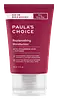 Key Ingredients
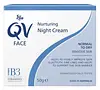
Benefits
Concerns
Ingredients Side-by-side
Water
Skin ConditioningCetearyl Ethylhexanoate
Emollient
Butylene Glycol
Humectant

Glycereth-26
Humectant
Oenothera Biennis Oil
Emollient



Cetyl Alcohol
Emollient

Neopentyl Glycol Diheptanoate
EmollientCyclopentasiloxane
Emollient
Stearic Acid
Cleansing
Glyceryl Stearate
Emollient
PEG-100 Stearate
Glycerin
Humectant
Cyclohexasiloxane
Emollient
Dimethicone
Emollient
Panthenol
Skin Conditioning
Palmitoyl Tripeptide-1
Skin Conditioning


Palmitoyl Tetrapeptide-7
Skin Conditioning
Sodium Hyaluronate
Humectant
Tocopheryl Linoleate
Antioxidant
Tocopheryl Acetate
Antioxidant

Tocopherol
Antioxidant
Magnesium Ascorbyl Phosphate
Antioxidant

Ascorbyl Palmitate
Antioxidant
Dipotassium Glycyrrhizate
Humectant
Sodium PCA
Humectant
Anthemis Nobilis Flower Extract
Masking
Aloe Barbadensis Leaf Juice
Skin Conditioning
Sodium Ascorbyl Phosphate
Antioxidant
Linoleic Acid
Cleansing
Linolenic Acid
Cleansing
Pentaerythrityl Tetra-Di-T-Butyl Hydroxyhydrocinnamate
Antioxidant
Saccharide Isomerate
Humectant
Hydroxypropyl Guar
Emulsion StabilisingAllantoin
Skin Conditioning
Rosa Moschata Seed Oil
Emollient
Polysorbate 20
Emulsifying
Cetyl Hydroxyethylcellulose
Emulsion StabilisingCarbomer
Emulsion StabilisingSodium Citrate
BufferingTrisodium EDTA
Batyl Alcohol
EmollientSodium Hydroxide
BufferingPhenoxyethanol
Preservative
Chlorphenesin
Antimicrobial
Benzoic Acid
Masking
Sorbic Acid
Preservative
Water, Cetearyl Ethylhexanoate, Butylene Glycol, Glycereth-26, Oenothera Biennis Oil, Cetyl Alcohol, Neopentyl Glycol Diheptanoate, Cyclopentasiloxane, Stearic Acid, Glyceryl Stearate, PEG-100 Stearate, Glycerin, Cyclohexasiloxane, Dimethicone, Panthenol, Palmitoyl Tripeptide-1, Palmitoyl Tetrapeptide-7, Sodium Hyaluronate, Tocopheryl Linoleate, Tocopheryl Acetate, Tocopherol, Magnesium Ascorbyl Phosphate, Ascorbyl Palmitate, Dipotassium Glycyrrhizate, Sodium PCA, Anthemis Nobilis Flower Extract, Aloe Barbadensis Leaf Juice, Sodium Ascorbyl Phosphate, Linoleic Acid, Linolenic Acid, Pentaerythrityl Tetra-Di-T-Butyl Hydroxyhydrocinnamate, Saccharide Isomerate, Hydroxypropyl Guar, Allantoin, Rosa Moschata Seed Oil, Polysorbate 20, Cetyl Hydroxyethylcellulose, Carbomer, Sodium Citrate, Trisodium EDTA, Batyl Alcohol, Sodium Hydroxide, Phenoxyethanol, Chlorphenesin, Benzoic Acid, Sorbic Acid
Cyclopentasiloxane
Emollient
Glycerin
Humectant
Carthamus Tinctorius Seed Oil
Masking
Petrolatum
Emollient
Paraffinum Liquidum
Emollient
Glyceryl Stearate
Emollient
PEG-100 Stearate
Cetearyl Alcohol
Emollient
Niacinamide
Smoothing


Dimethicone
Emollient
Methylparaben
Preservative

Propylparaben
Preservative
Sodium Polyacrylate
Absorbent
Tocopherol
Antioxidant
Dichlorobenzyl Alcohol
Antimicrobial
Citric Acid
Buffering

Reviews
Ingredients Explained
These ingredients are found in both products.
Ingredients higher up in an ingredient list are typically present in a larger amount.
Cyclopentasiloxane, or D5, is a silicone used to improve texture of products and trap moisture.
D5 is considered lightweight and volatile. Volatile means it evaporates quickly after application. Once evaporated, D5 leaves a thin barrier that helps keep skin hydrated.
It is also an emollient. Emollients help soften the skin and prevent water loss. Silicones create a silky texture in products. D5 helps other ingredients become more spreadable.
Studies show D5 is safe to use in skincare products. We recommend speaking with a skincare professional if you have concerns.
Learn more about CyclopentasiloxaneDimethicone is a type of synthetic silicone created from natural materials such as quartz. It is also known as polydimethylsiloxane.
What it does:
Dimethicone comes in different viscosities:
Depending on the viscosity, dimethicone has different properties.
Ingredients lists don't always show which type is used, so we recommend reaching out to the brand if you have questions about the viscosity.
This ingredient is unlikely to cause irritation because it does not get absorbed into skin. However, people with silicone allergies should be careful about using this ingredient.
Note: Dimethicone may contribute to pilling. This is because it is not oil or water soluble, so pilling may occur when layered with products. When mixed with heavy oils in a formula, the outcome is also quite greasy.
Learn more about DimethiconeGlycerin (or glycerol) is a compound naturally found in your skin. It's a powerhouse humectant that pulls water into the stratum corneum.
Topically, glycerin does several things at once:
Your skin makes glycerin on its own (mostly from sebaceous oil breakdown) and shuttles it to your outermost layer of skin, or your epidermis, via aquaporin-3.
Aquaporin-3 is a transporter that is essential for normal skin hydration, elasticity, and repair. Interestingly, mice lacking in AQP3 have dry and less elastic skin that can be fully corrected with glycerin.
This ingredient is non-irritating, plays well with almost every ingredient, and works across all skin types. Typical use is anywhere between 3-10% but can go up to 79% in some leave-on products.
Just know very high concentrations (>40%) can feel tacky in low humidity.
Glycerin is the name for this ingredient in American English. British English uses Glycerol/Glycerine.
Learn more about GlycerinGlyceryl Stearate is made by reacting glycerin with stearic acid (typically sourced from plant oils like palm or coconut). It's an emulsifier, emollient, and mild occlusive.
Emulsifiers help ingredients like oil and water stay mixed so your formula stays nicely blended and uniform in texture.
This ingredient is typically used in concentrations between 1-10%. Studies have found it to be non-sensitizing, non-phototoxic, and non-photoallergenic.
A close cousin of this ingredient is Glyceryl Stearate SE ("self-emulsifying"). This just has a small amount of sodium or potassium stearate added so it can emulsify without a co-emulsifier.
Since this ingredient is an ester of a C18 fatty acid, it may not be fungal acne safe. The Malassezia yeast can potentially metabolize within the C11-C24 range.
Fun fact: The human body also creates Glyceryl Stearate naturally.
Learn more about Glyceryl StearatePeg-100 Stearate is an emollient and emulsifier. As an emollient, it helps keep skin soft by trapping moisture in. On the other hand, emulsifiers help prevent oil and water from separating in a product.
PEGS are a hydrophilic polyether compound . There are 100 ethylene oxide monomers in Peg-100 Stearate. Peg-100 Stearate is polyethylene glycol ester of stearic acid.
Tocopherol is a fat-soluble antioxidant known as Vitamin E.
You'll find this ingredient in the vast majority of skincare (for good reason). It works to neutralize free radicals, or unstable molecules generated by UV exposure, pollution, and other environmental stressors, before they can cause oxidative damage to your skin cells.
Topically applied tocopherol has been shown to protect against UV damage by ramping up the skin's own natural defense enzymes.
It also acts as a skin conditioning agent; some studies show that regular topical use can improve the skin's water-binding capacity over 2-4 weeks.
This ingredient is especially loved for being a team player. When combined with Vitamin C, the photoprotective effect of both ingredients roughly doubles and the combo also helps reduce UV-induced DNA damage.
This ingredient has some brightening potential but it's more of a prevention ingredient than spot-fader. Cell studies show it can slow down melanin production but it's worth noting that it's not the most powerful brightener out there.
In formulations, it also serves as a stabilizer that helps protect other oxidation-prone ingredients from degrading.
Concentrations usually range from 0.1-1% in most leave-on products.
Learn more about Tocopherol
