Paula's Choice Skin Recovery Replenishing Moisturizer Versus Paula's Choice Moisture Renewal Oil Booster
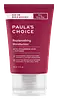
This barrier-repair moisturizer is formulated around Oenothera Biennis Oil and Panthenol to strengthen the skin barrier and hydrate skin.
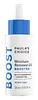
This hydrating oil is formulated around Simmondsia Chinensis Seed Oil and Ceramide Ns to hydrate skin and strengthen the skin barrier.

What's inside
What's inside
 Key Ingredients
Benefits
Concerns
Ingredients Side-by-side
Water
Skin ConditioningCetearyl Ethylhexanoate
Emollient

Butylene Glycol
Humectant

Glycereth-26
Humectant
Oenothera Biennis Oil
Emollient




Cetyl Alcohol
Emollient

Neopentyl Glycol Diheptanoate
EmollientCyclopentasiloxane
Emollient
Stearic Acid
Cleansing
Glyceryl Stearate
Emollient
PEG-100 Stearate
Surfactant
Glycerin
Humectant
Cyclohexasiloxane
Emollient
Dimethicone
Emollient
Panthenol
Skin Conditioning
Palmitoyl Tripeptide-1
Skin Conditioning


Palmitoyl Tetrapeptide-7
Skin Conditioning
Sodium Hyaluronate
Humectant
Tocopheryl Linoleate
Antioxidant
Tocopheryl Acetate
Antioxidant

Tocopherol
Antioxidant
Magnesium Ascorbyl Phosphate
Antioxidant

Ascorbyl Palmitate
Antioxidant
Dipotassium Glycyrrhizate
Humectant
Sodium PCA
Humectant
Anthemis Nobilis Flower Extract
Masking
Aloe Barbadensis Leaf Juice
Skin Conditioning
Sodium Ascorbyl Phosphate
Antioxidant
Linoleic Acid
Cleansing
Linolenic Acid
Cleansing
Pentaerythrityl Tetra-Di-T-Butyl Hydroxyhydrocinnamate
Antioxidant
Saccharide Isomerate
Humectant
Hydroxypropyl Guar
Emulsion StabilisingAllantoin
Skin Conditioning
Rosa Moschata Seed Oil
Emollient
Polysorbate 20
Emulsifying
Cetyl Hydroxyethylcellulose
Emulsion StabilisingCarbomer
Emulsion StabilisingSodium Citrate
BufferingTrisodium EDTA
ChelatingBatyl Alcohol
EmollientSodium Hydroxide
BufferingPhenoxyethanol
Preservative
Chlorphenesin
Antimicrobial
Benzoic Acid
Masking
Sorbic Acid
Preservative
Water, Cetearyl Ethylhexanoate, Butylene Glycol, Glycereth-26, Oenothera Biennis Oil, Cetyl Alcohol, Neopentyl Glycol Diheptanoate, Cyclopentasiloxane, Stearic Acid, Glyceryl Stearate, PEG-100 Stearate, Glycerin, Cyclohexasiloxane, Dimethicone, Panthenol, Palmitoyl Tripeptide-1, Palmitoyl Tetrapeptide-7, Sodium Hyaluronate, Tocopheryl Linoleate, Tocopheryl Acetate, Tocopherol, Magnesium Ascorbyl Phosphate, Ascorbyl Palmitate, Dipotassium Glycyrrhizate, Sodium PCA, Anthemis Nobilis Flower Extract, Aloe Barbadensis Leaf Juice, Sodium Ascorbyl Phosphate, Linoleic Acid, Linolenic Acid, Pentaerythrityl Tetra-Di-T-Butyl Hydroxyhydrocinnamate, Saccharide Isomerate, Hydroxypropyl Guar, Allantoin, Rosa Moschata Seed Oil, Polysorbate 20, Cetyl Hydroxyethylcellulose, Carbomer, Sodium Citrate, Trisodium EDTA, Batyl Alcohol, Sodium Hydroxide, Phenoxyethanol, Chlorphenesin, Benzoic Acid, Sorbic Acid


Reviews
Ingredients Explained
These ingredients are found in both products.
Ingredients higher up in an ingredient list are typically present in a larger amount.
Oenothera Biennis Oil (aka Evening Primrose Oil) is a non-fragrant oil from the evening primrose. Like other botanical oils, it is an emollient that helps hydrate and nourish skin.
It has an interesting fatty acid profile: linoleic (70-74%) and γ-linolenic (8-10%), with some amounts ofoleic palmitic, and stearic acids.
The gamma-linoleic acid (GLA) is the headliner here; it's relatively rare in plant oils and acts as a precursor for anti-inflammatory signaling molecules in the skin.
There's a mixed body of clinical research with this ingredient as well, mostly on eczema/atopic dermatitis skin.
Some controlled trials showed improvement in inflammation, dryness, scaling, and overall severity. Other studies and large meta-analysis failed to show a significant effect; the honest takeaway here is "promising but inconsistent" rather than "miracle oil".
On the safety front, this ingredient is found to be safe as used in cosmetics and even has a history of safe food use.
This ingredient does have a comedogenic rating of 3, but this doesn't mean a formula with this ingredient will clog pores. Human testing has proved that any finished product with this ingredient won't automatically make you break out; it really comes down to concentration, formula, and your skin.
Since this oil is contains oleic acid and palmitic acid, it may not be fungal acne safe. The Malassezia yeast feeds on fatty acids with carbon chain lengths between C11-C24. Oleic Acid sits at C18 and Palmitic acid sits at C16.
In vitro studies have shown that oleic acid and palmitic acid are some of the fatty acids that induce rapid Malassezia growth in lab settings.
Learn more about Oenothera Biennis Oil

