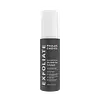
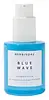
Paula's Choice Skin Perfecting 2% BHA Gel Exfoliant Versus Herbivore Blue Wave 2% Salicylic Acid Acne Treatment Clearing Serum
This pore-care exfoliator is formulated around Salicylic Acid and Phytosphingosine to refine the look of pores and refine skin texture.
This acne serum is formulated around Salicylic Acid and Salix Alba Bark Extract to clear breakouts and refine the look of pores.

What's inside
What's inside
 Key Ingredients
Benefits
Concerns
Ingredients Side-by-side
Water
Skin ConditioningPropanediol
Solvent

Pentylene Glycol
Skin Conditioning
Caprylic/Capric Triglyceride
Masking
Salicylic Acid
Masking










Cetearyl Alcohol
Emollient



Coco-Glucoside
Cleansing
Hydrogenated Ethylhexyl Olivate
EmollientPolyacrylate Crosspolymer-6
Emulsion StabilisingSalix Alba Bark Extract
Astringent

Tanacetum Annuum Flower Oil
Masking
Sodium PCA
Humectant
Bisabolol
Antioxidant


Simmondsia Chinensis Seed Oil
Emollient
Vitis Vinifera Seed Oil
Emollient
Diheptyl Succinate
EmollientHydrogenated Olive Oil Unsaponifiables
Emollient
Capryloyl Glycerin/Sebacic Acid Copolymer
Skin ConditioningMelia Azadirachta Leaf Extract
Skin ConditioningMelia Azadirachta Flower Extract
Skin ConditioningCitric Acid
Buffering
Caprylhydroxamic Acid
ChelatingCorallina Officinalis Extract
Skin Conditioning
Trisodium Ethylenediamine Disuccinate
ChelatingXanthan Gum
EmulsifyingCoccinia Indica Fruit Extract
Skin Conditioning
Oryza Sativa Extract
Absorbent
Betaine
Humectant
Aloe Barbadensis Flower Extract
EmollientSolanum Melongena Fruit Extract
Skin ConditioningJasminum Sambac Flower Extract
Masking
Galactoarabinan
Curcuma Longa Root Extract
Antioxidant
Ocimum Basilicum Flower/Leaf Extract
TonicOcimum Sanctum Leaf Extract
Skin Conditioning1,2-Hexanediol
Skin Conditioning
Leuconostoc Ferment Filtrate
AntimicrobialSoybean Peroxidase
Antioxidant
Superoxide Dismutase
Antioxidant
Sodium Hydroxide
BufferingTitanium Dioxide
Cosmetic Colorant

Linalool
Perfuming
Benzyl Alcohol
Perfuming

Water, Propanediol, Pentylene Glycol, Caprylic/Capric Triglyceride, Salicylic Acid, Cetearyl Alcohol, Coco-Glucoside, Hydrogenated Ethylhexyl Olivate, Polyacrylate Crosspolymer-6, Salix Alba Bark Extract, Tanacetum Annuum Flower Oil, Sodium PCA, Bisabolol, Simmondsia Chinensis Seed Oil, Vitis Vinifera Seed Oil, Diheptyl Succinate, Hydrogenated Olive Oil Unsaponifiables, Capryloyl Glycerin/Sebacic Acid Copolymer, Melia Azadirachta Leaf Extract, Melia Azadirachta Flower Extract, Citric Acid, Caprylhydroxamic Acid, Corallina Officinalis Extract, Trisodium Ethylenediamine Disuccinate, Xanthan Gum, Coccinia Indica Fruit Extract, Oryza Sativa Extract, Betaine, Aloe Barbadensis Flower Extract, Solanum Melongena Fruit Extract, Jasminum Sambac Flower Extract, Galactoarabinan, Curcuma Longa Root Extract, Ocimum Basilicum Flower/Leaf Extract, Ocimum Sanctum Leaf Extract, 1,2-Hexanediol, Leuconostoc Ferment Filtrate, Soybean Peroxidase, Superoxide Dismutase, Sodium Hydroxide, Titanium Dioxide, Linalool, Benzyl Alcohol
Reviews
Ingredients Explained
These ingredients are found in both products.
Ingredients higher up in an ingredient list are typically present in a larger amount.
Bisabolol is a gentle skin conditioner, antioxidant, and soothing ingredient.
It's primary claim to fame is soothing and research shows topically applied bisabolol can quiet the chemical messengers that cause your skin to become inflamed, helping to sooth any irritation.
A clinical study found that applying 0.5% bisabolol daily for 8 weeks produced an average 9% decrease in skin pigmentation. Researchers found it can also suppress the process that leads to excess melanin production in skin.
In vitro studies found that bisabolol combined with propylene glycol significantly increased skin permeability by increasing lipid fluidity in the stratum corneum.
You'll likely see use concentrations quite low, usually 0.1-0.2%.
Overall, this is a well-tolerated ingredient that works well in formulas designed for sensitive, reactive, or post-procedure skin.
Learn more about BisabololSalicylic Acid (also known as beta hydroxy acid or BHA) is a well-known ingredient for treating skin that struggles with acne and clogged pores. It exfoliates both the skin's surface and deep within the pores to help clear out buildup, control oil, and reduce inflammation.
Unlike AHAs (alpha hydroxy acids), salicylic acid is oil-soluble. This allows it to penetrate into pores which makes it especially effective for treating blackheads and preventing future breakouts.
Salicylic acid is also known for its soothing properties. It has a similar structure to aspirin and can calm inflamed or irritated skin, making it a good option for acne-prone skin that is also sensitive.
Concentrations of 0.5-2% are recognized by the U.S. FDA as an over-the-counter topical acne product.
It can cause irritation and/or dryness if one's skin already has a compromised moisture barrier, so it's best to focus on repairing that before introducing this ingredient into your routine.
While salicylic acid does not increase sun sensitivity, it’s still important to wear sunscreen daily to protect your skin.
If you are looking for the ingredient called BHA or Butylated Hydroxyanisole, click here.
Learn more about Salicylic AcidSodium Hydroxide is also known as lye or caustic soda. It is used to adjust the pH of products; many ingredients require a specific pH to be effective.
In small amounts, sodium hydroxide is considered safe to use. However, large amounts may cause chemical burns due to its high alkaline.
Your skin has a natural pH and acid mantle. This acid mantle helps prevent harmful bacteria from breaking through. The acid mantle also helps keep your skin hydrated.
"Alkaline" refers to a high pH level. A low pH level would be considered acidic.
Learn more about Sodium HydroxideWater. It's the most common cosmetic ingredient of all. You'll usually see it at the top of ingredient lists, meaning that it makes up the largest part of the product.
So why is it so popular? Water most often acts as a solvent - this means that it helps dissolve other ingredients into the formulation.
You'll also recognize water as that liquid we all need to stay alive. If you see this, drink a glass of water. Remember to stay hydrated!
Learn more about Water

