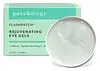
This hydrating eye mask is formulated around Panthenol and Centella Asiatica Extract to hydrate skin and soften the look of wrinkles.
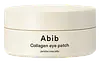
This anti-aging eye mask is formulated around Niacinamide and Collagen Extract to soften the look of wrinkles and hydrate skin.


What's inside
What's inside
 Key Ingredients
Benefits
Concerns
Ingredients Side-by-side
Water
Skin ConditioningGlycerin
Humectant


Dipropylene Glycol
HumectantCeratonia Siliqua Gum
EmollientChondrus Crispus Powder
Abrasive


Butylene Glycol
Humectant
Chondrus Crispus Extract
Skin Conditioning
Panthenol
Skin Conditioning
Centella Asiatica Extract
Cleansing

Paeonia Suffruticosa Root Extract
Skin ProtectingChamomilla Recutita Flower Extract
Masking
Portulaca Oleracea Extract
Skin Conditioning
Caffeine
Skin Conditioning
Hydrolyzed Collagen
Emollient
Cocos Nucifera Fruit Extract
Emollient
Sodium Hyaluronate
Humectant
Aloe Barbadensis Leaf Extract
Emollient
Lonicera Japonica Flower Extract
Skin ConditioningCalendula Officinalis Extract
Skin Conditioning
Lavandula Angustifolia Extract
Skin Conditioning

Syringa Vulgaris Extract
Skin ConditioningRosmarinus Officinalis Extract
AntimicrobialMentha Arvensis Leaf Extract
MaskingMonarda Didyma Leaf Extract
Skin ConditioningJasminum Officinale Extract
Masking
Freesia Refracta Extract
Skin ConditioningAcetyl Tetrapeptide-5
Humectant
Trideceth-6
EmulsifyingBetaine
Humectant
1,2-Hexanediol
Skin Conditioning
Cellulose Gum
Emulsion StabilisingXanthan Gum
EmulsifyingGlyceryl Caprylate
EmollientPotassium Chloride
Sodium Polyacrylate
Absorbent
Sucrose
Humectant
Ethylhexylglycerin
Skin ConditioningSynthetic Fluorphlogopite
Polysorbate 20
Emulsifying

Hydrogenated Polydecene
EmollientDipotassium Glycyrrhizate
Humectant
Allantoin
Skin Conditioning
Pantolactone
Humectant
Polyglutamic Acid
Skin Conditioning
Acetyl Glucosamine
Skin Conditioning

Urea
Buffering
Yeast Amino Acids
HumectantTrehalose
Humectant
Inositol
Humectant
Taurine
BufferingPotassium Sorbate
Preservative
Glutathione
Disodium EDTA
ChelatingPhenoxyethanol
Preservative
CI 77891
Cosmetic ColorantMica
Cosmetic ColorantParfum
Masking

Water, Glycerin, Dipropylene Glycol, Ceratonia Siliqua Gum, Chondrus Crispus Powder, Butylene Glycol, Chondrus Crispus Extract, Panthenol, Centella Asiatica Extract, Paeonia Suffruticosa Root Extract, Chamomilla Recutita Flower Extract, Portulaca Oleracea Extract, Caffeine, Hydrolyzed Collagen, Cocos Nucifera Fruit Extract, Sodium Hyaluronate, Aloe Barbadensis Leaf Extract, Lonicera Japonica Flower Extract, Calendula Officinalis Extract, Lavandula Angustifolia Extract, Syringa Vulgaris Extract, Rosmarinus Officinalis Extract, Mentha Arvensis Leaf Extract, Monarda Didyma Leaf Extract, Jasminum Officinale Extract, Freesia Refracta Extract, Acetyl Tetrapeptide-5, Trideceth-6, Betaine, 1,2-Hexanediol, Cellulose Gum, Xanthan Gum, Glyceryl Caprylate, Potassium Chloride, Sodium Polyacrylate, Sucrose, Ethylhexylglycerin, Synthetic Fluorphlogopite, Polysorbate 20, Hydrogenated Polydecene, Dipotassium Glycyrrhizate, Allantoin, Pantolactone, Polyglutamic Acid, Acetyl Glucosamine, Urea, Yeast Amino Acids, Trehalose, Inositol, Taurine, Potassium Sorbate, Glutathione, Disodium EDTA, Phenoxyethanol, CI 77891, Mica, Parfum
Water
Skin ConditioningGlycerin
Humectant
Niacinamide
Smoothing



Chondrus Crispus Powder
Abrasive
Collagen Extract
Skin Conditioning
1,2-Hexanediol
Skin Conditioning
Betaine
Humectant
Ceratonia Siliqua Gum
EmollientCyamopsis Tetragonoloba Gum
Emulsion StabilisingHydroxyacetophenone
Antioxidant
Chondrus Crispus
Masking
Calcium Chloride
AstringentAllantoin
Skin Conditioning
Butyrospermum Parkii Butter
Skin Conditioning
Propanediol
Solvent
Polyglyceryl-10 Laurate
Skin Conditioning
Polyglyceryl-3 Methylglucose Distearate
Emulsifying
Potassium Chloride
Anastatica Hierochuntica Extract
AstringentCellulose Gum
Emulsion StabilisingRicinus Communis Seed Oil
Masking
Trehalose
Humectant
Sucrose
Humectant
Caprylyl Glycol
Emollient
Adenosine
Skin Conditioning
Ethylhexylglycerin
Skin ConditioningDipotassium Glycyrrhizate
Humectant
Sodium Hyaluronate
Humectant
Caffeine
Skin Conditioning
Panthenol
Skin Conditioning
Ceramide NP
Skin Conditioning
Palmitoyl Tripeptide-5
Skin Conditioning
Water, Glycerin, Niacinamide, Chondrus Crispus Powder, Collagen Extract, 1,2-Hexanediol, Betaine, Ceratonia Siliqua Gum, Cyamopsis Tetragonoloba Gum, Hydroxyacetophenone, Chondrus Crispus, Calcium Chloride, Allantoin, Butyrospermum Parkii Butter, Propanediol, Polyglyceryl-10 Laurate, Polyglyceryl-3 Methylglucose Distearate, Potassium Chloride, Anastatica Hierochuntica Extract, Cellulose Gum, Ricinus Communis Seed Oil, Trehalose, Sucrose, Caprylyl Glycol, Adenosine, Ethylhexylglycerin, Dipotassium Glycyrrhizate, Sodium Hyaluronate, Caffeine, Panthenol, Ceramide NP, Palmitoyl Tripeptide-5
Reviews
Ingredients Explained
These ingredients are found in both products.
Ingredients higher up in an ingredient list are typically present in a larger amount.
1,2-Hexanediol is a synthetic liquid and another multi-functional powerhouse.
It is a:
- Humectant, drawing moisture into the skin
- Emollient, helping to soften skin
- Solvent, dispersing and stabilizing formulas
- Preservative booster, enhancing the antimicrobial activity of other preservatives
Allantoin is a soothing ingredient known for its protective and moisturizing properties; it's basically a quiet workhorse ingredient you can find in a huge range of cosmetics.
Though it can be derived from the comfrey plant, allantoin is produced synthetically for cosmetic products to ensure purity.
Research shows it can encourage your skin cells to turn over and renew by stimulating keratinocyte and fibroblast proliferation.
It also has mild keratolytic properties to help loosen and shed dead skin cells without being harsh.
Studies also suggest allantoin can help calm inflammation by dialing down some of the chemical signals your skin sends out when it is irritated.
This ingredient is typically used in the 0.1-0.5% range, and the FDA recognizes it as a skin protectant in OTC products up to 2%.
Overall, allantoin is a wonderful addition to most routines; it is stable across a wide pH range (~4-8), works well with other ingredients, and is considered non-sensitizing/non-irritating.
Fun fact: Allantoin is naturally occurring in comfrey root, beets, chamomile, and wheat sprouts. Our bodies even produce it as a byproduct of uric acid metabolism.
Learn more about AllantoinBetaine is a humectant. Like hyaluronic acid, it helps attract and retain moisture in the skin. It’s known for being gentle and for helping the skin maintain balanced hydration.
Betaine is mainly used to improve hydration and support calmer skin. It helps skin cells regulate water balance because it functions as an osmolyte.
Some studies suggest betaine may support making skin tone more even.
Fun fact: Betaine naturally exists in the skin and the body. In cosmetic products, it can be either plant-derived (most commonly from sugar beets) or synthetically produced for consistency and stability.
Betaine is also known as trimethylglycine.
Learn more about BetaineCaffeine is a naturally occurring plant compound found in coffee beans, tea leaves, cocoa pods, and guarana.
As an antioxidant, caffeine protects your skin from free radical damage caused by UV exposure and envionrmnetal stressors.
Early research also shows that caffeine can help calm redness, soothe irritated skin, and support hair growth by stimulating microcirculation in the scalp.
You might have seen eye creams marketing caffeine as a depuffing ingredient. This is because it is a vasoconstrictor meaning it can temporarily constrict blood vessels, though clinical evidence for this specific use is still limited.
Most skincare products contain this ingredient at concentrations between 1-6%. It is able to penetrate skin easily regardless of skin type or thickness.
Just so you know, a very small number of case reports describe caffeine-induced allergy. This ingredient is generally well-tolerated, non-irritating, and non-sensitizing for the majority of people.
Learn more about CaffeineCellulose Gum is a water-soluble polymer that comes from cellulose. It is used to change the texture of a product and to help stabilize emulsions.
As an emulsifier, cellulose gum specifically thicken the texture of water-based products.
This ingredient is considered hypoallergenic and non-toxic. Cellulose Gum can be found in cosmetics, food, and other household goods such as paper products.
Learn more about Cellulose GumCeratonia Siliqua Gum is extracted from the seeds of the carob tree. You might know this ingredient as Carob Gum or Locust Bean Gum. It is used to stabilize other ingredients and improve the texture of products.
Carob gum is made up of long-chain polysaccharides. This makes it a natural thickener.
Yes! This ingredient comes from the seeds of a tree. The name 'Locust Bean Gum' can be misleading.
Learn more about Ceratonia Siliqua GumChondrus Crispus Powder is just Irish moss, a red seaweed harvested, dried, and ground into a fine powder. Because it's the whole plant rather than a liquid extract, it has an official INCI job as an "abrasive".
This ingredient also happens to be loaded with carrageenan, a sugar-based polysaccharide, that allows it to double as a thickener and light hydrator.
Real world concentration is low; industry surveys report a maximum of 0.1% across 63 leave-on products.
The Cosmetic Ingredient Review Expert Panel reviewed it in 2021 and concluded it's safe at current use levels and every human sensitization study on it came back negative.
Allergy risk is very low with no documented pattern of reactions but anyone with a known seaweed or iodine sensitivity may want to patch test since dried Chondrus crispus does carry a small amount of natural iodine.
Learn more about Chondrus Crispus PowderDipotassium Glycyrrhizate comes from licorice root.
Extracts of licorice have demonstrated to have antibacterial, anti‐inflammatory, antiviral, antioxidant properties.
One component, glabridin, has extra potent antioxidant and soothing properties. It has also been found to block pigmentation from UVB rays in guinea pigs.
Licorice Root also contains a flavonoid. Flavonoids are a natural substance from in plants. Flavonoids also have antioxidant properties.
Another component, glycyrrhizin, has been found to have anti-inflammatory and antimicrobial benefits. This may make licorice root extract effective at treating acne. However, more research is needed to support this.
Liquiritin is one of the flavone compounds found in licorice. It has been found to help lighten skin by preventing tyrosinase from reacting with tyrosine. When the two react, protein is converted to melanin. Melanin is the substance in your body that gives your features pigmentation.
Licorice root is native to Southern Europe and Asia. It has been used in traditional Chinese medicine to help with respiratory issues.
Learn more about Dipotassium GlycyrrhizateEthylhexylglycerin is created from glycerin. It is a multitasker ingredient that:
The CIR Expert Panel found minimal skin absorption or sensitization of any kind in a safety assessment. Though this ingredient is considered well-tolerated, a small number of cases of allergic dermatitis have been published since 2002. Just be sure to patch test if you are unsure.
Industry-reported use ranges from 8% in rinse-off products and 2% in leave-on formulations.
Learn more about EthylhexylglycerinGlycerin (or glycerol) is a compound naturally found in your skin. It's a powerhouse humectant that pulls water into the stratum corneum.
Topically, glycerin does several things at once:
Your skin makes glycerin on its own (mostly from sebaceous oil breakdown) and shuttles it to your outermost layer of skin, or your epidermis, via aquaporin-3.
Aquaporin-3 is a transporter that is essential for normal skin hydration, elasticity, and repair. Interestingly, mice lacking in AQP3 have dry and less elastic skin that can be fully corrected with glycerin.
This ingredient is non-irritating, plays well with almost every ingredient, and works across all skin types. Typical use is anywhere between 3-10% but can go up to 79% in some leave-on products.
Just know very high concentrations (>40%) can feel tacky in low humidity.
Glycerin is the name for this ingredient in American English. British English uses Glycerol/Glycerine.
Learn more about GlycerinPanthenol is a common ingredient that helps hydrate and soothe the skin. It is found naturally in our skin and hair.
There are two forms of panthenol: D and L.
D-panthenol is also known as dexpanthenol. Most cosmetics use dexpanthenol or a mixture of D and L-panthenol.
Panthenol is famous due to its ability to go deeper into the skin's layers. Using this ingredient has numerous pros (and no cons):
Like hyaluronic acid, panthenol is a humectant. Humectants are able to bind and hold large amounts of water to keep skin hydrated.
This ingredient works well for wound healing. It works by increasing tissue in the wound and helps close open wounds.
Once oxidized, panthenol converts to pantothenic acid. Panthothenic acid is found in all living cells.
This ingredient is also referred to as pro-vitamin B5.
Learn more about PanthenolWe don't have a description for Potassium Chloride yet.
Sodium Hyaluronate is the salt form of hyaluronic acid. It is a long sugar chain that is naturally found in your skin, joints, and connective tissue that maintains hydration and elasticity.
In skincare, it works as a humectant. It pulls water from the environment and deeper layers of skin and binds it to the surface.
Interestingly, the size of the molecule affects its behavior:
Some clinical evidence links low molecular weight versions to improved wrinkle depth, elasticity, anti-inflammatory effects, and barrier repair.
Many serums use a blend of both weights so you can get surface hydration plus longer-lasting and deeper effects.
You'll typically see concentrations between 0.1-2% for this ingredient.
Learn more about Sodium HyaluronateSucrose is a natural sugar found in fruits, vegetables, and nuts. It is the main constituent of white sugar.
In skincare, sucrose is a humectant and can be a mild exfoliant.
Sucrose is hydrophilic, meaning it attracts water. This makes it an effective humectant and helps hydrate the skin.
Studies show sugars may worsen acne-prone skin due to it disrupting the skin's natural biome. We recommend speaking with a professional if you have any concerns.
In some products such as body scrubs, sucrose is used as an gentle exfoliant.
The term 'sucrose' comes from the french word for sugar, 'sucre'.
Learn more about SucroseTrehalose is a disaccharide made of two glucose molecules (glucose is sugar!). Trehalose is used to help moisturize skin. It also has antioxidant properties.
As a humectant, trehalose helps draw moisture from the air to your skin. This helps keep your skin hydrated.
Due to its antioxidant properties, trehalose may help with signs of aging. Antioxidants help fight free-radical molecules, unstable molecules that may damage your skin.
In medicine, trehalose and hyaluronic acid are used to help treat dry eyes.
Some animals, plants, and bacteria create trehalose as a source of energy to survive freeze or lack of water.
Learn more about TrehaloseWater. It's the most common cosmetic ingredient of all. You'll usually see it at the top of ingredient lists, meaning that it makes up the largest part of the product.
So why is it so popular? Water most often acts as a solvent - this means that it helps dissolve other ingredients into the formulation.
You'll also recognize water as that liquid we all need to stay alive. If you see this, drink a glass of water. Remember to stay hydrated!
Learn more about Water

