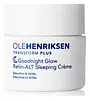
This smoothing night moisturizer is formulated around Lactic Acid and Glycolic Acid to refine skin texture and soften the look of wrinkles.
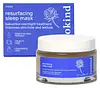
This smoothing overnight mask is formulated around Bakuchiol and Beta-Glucan to refine skin texture and soften the look of wrinkles.


What's inside
What's inside
 Key Ingredients
Benefits
Concerns
Ingredients Side-by-side
Water
Skin ConditioningGlycerin
Humectant


Vitis Vinifera Seed Oil
Emollient



C12-15 Alkyl Benzoate
AntimicrobialDicaprylyl Carbonate
EmollientButyrospermum Parkii Butter
Skin Conditioning


Cetearyl Alcohol
Emollient

Lactic Acid
Buffering







Glycolic Acid
Buffering

Glyceryl Stearate
Emollient
Potassium Hydroxide
BufferingPropanediol
Solvent
Polysorbate 60
Emulsifying
Panthenol
Skin Conditioning
Dimethicone
Emollient
Cetyl Alcohol
Emollient
Parfum
Masking

Sodium Acrylate/Sodium Acryloyldimethyl Taurate Copolymer
Emulsion StabilisingHydroxyacetophenone
Antioxidant
Bakuchiol
Antimicrobial
Leontopodium Alpinum Callus Culture Extract
Antioxidant
Isohexadecane
EmollientLinoleic Acid
Cleansing
PEG-75 Stearate
Surfactant
Phenoxyethanol
Preservative
Cetearyl Glucoside
Emulsifying
Polysorbate 80
Emulsifying
Steareth-20
CleansingCeteth-20
CleansingLinolenic Acid
Cleansing
Xanthan Gum
EmulsifyingCitric Acid
Buffering
Ethylhexylglycerin
Skin ConditioningEnteromorpha Compressa Extract
Skin Protecting
Sorbitan Oleate
Emulsifying
Santalum Album Extract
CleansingChamomilla Recutita Flower Extract
Masking
Saccharum Officinarum Extract
MoisturisingCitrus Limon Fruit Extract
Masking
Glycyrrhiza Glabra Root Extract
Bleaching
Leuconostoc/Radish Root Ferment Filtrate
Antimicrobial
Sodium Phytate
ChelatingSilybum Marianum Fruit Extract
Skin Conditioning
Ocimum Sanctum Leaf Extract
Skin ConditioningTocopherol
Antioxidant
CI 60730
Cosmetic ColorantCI 14700
Cosmetic ColorantLimonene
Perfuming
Linalool
Perfuming
Citral
Perfuming
Water, Glycerin, Vitis Vinifera Seed Oil, C12-15 Alkyl Benzoate, Dicaprylyl Carbonate, Butyrospermum Parkii Butter, Cetearyl Alcohol, Lactic Acid, Glycolic Acid, Glyceryl Stearate, Potassium Hydroxide, Propanediol, Polysorbate 60, Panthenol, Dimethicone, Cetyl Alcohol, Parfum, Sodium Acrylate/Sodium Acryloyldimethyl Taurate Copolymer, Hydroxyacetophenone, Bakuchiol, Leontopodium Alpinum Callus Culture Extract, Isohexadecane, Linoleic Acid, PEG-75 Stearate, Phenoxyethanol, Cetearyl Glucoside, Polysorbate 80, Steareth-20, Ceteth-20, Linolenic Acid, Xanthan Gum, Citric Acid, Ethylhexylglycerin, Enteromorpha Compressa Extract, Sorbitan Oleate, Santalum Album Extract, Chamomilla Recutita Flower Extract, Saccharum Officinarum Extract, Citrus Limon Fruit Extract, Glycyrrhiza Glabra Root Extract, Leuconostoc/Radish Root Ferment Filtrate, Sodium Phytate, Silybum Marianum Fruit Extract, Ocimum Sanctum Leaf Extract, Tocopherol, CI 60730, CI 14700, Limonene, Linalool, Citral
Water
Skin ConditioningCucumis Sativus Fruit Water
Skin ConditioningGlyceryl Stearates
Emollient
Glycerin
Humectant
Leuconostoc/Radish Root Ferment Filtrate
Antimicrobial
Squalane
Emollient
Cellulose
Absorbent
Bakuchiol
Antimicrobial
Adansonia Digitata Seed Oil
Emollient
Simmondsia Chinensis Seed Oil
Emollient
Caramel
Cosmetic ColorantSodium Dehydroacetate
Preservative
Baptisia Tinctoria Root Extract
Skin ConditioningCitric Acid
Buffering
Beta-Glucan
Skin Conditioning
Reviews
Ingredients Explained
These ingredients are found in both products.
Ingredients higher up in an ingredient list are typically present in a larger amount.
Bakuchiol is a plant-derived antioxidant from the seeds of the Psoralea corylifolia plant. It has antimicrobial, emollient, skin conditioning, and antioxidant properties.
You'll likely see it called a "retinol replacement" but the two are technically not related. This is because bakuchiol is able to flip many of the same switches in your skin cells to tell them to:
1) produce more collagen (type I, III, and IV)
2) activate the same genes retinoids do
Unlike retinoids, this ingredient will not increase photosensitivity and is safe to use during pregnancy (but please still check in with your doctor!).
The flagship clinical trial from Dhaliwal et al. 2019 found 0.5% bakuchiol (twice daily) and 0.5% retinol (once daily) reduced wrinkles and hyperpigmentation equally, but bakuchiol had significantly less irritation.
Systematic reviews also back this up:
Bakuchiol is comparable to retinol for photoaging but with better tolerability. It also has mild antibacterial properties against Cutibacterium acnes and antifungal activity in vitro against Candida and dermatophytes.
The reason bakuchiol works well is due to its structure; it is a meroterpene phenol, or a hybrid molecule. The phenol half acts as an antioxidant while the terpene half is fat-loving. This helps the molecule slip through the skin barrier.
This ingredient is usually used between 0.5-2%. Only one case of contact dermatitis has ever been reported for this ingredient.
Learn more about BakuchiolCitric Acid is an alpha hydroxy acid (AHA) naturally found in citrus fruits like oranges, lemons, and limes.
Like other AHAs, citric acid can exfoliate skin by breaking down the bonds that hold dead skin cells together. This helps reveal smoother and brighter skin underneath.
However, this exfoliating effect only happens at high concentrations (20%) which can be hard to find in cosmetic products.
Due to this, citric acid is usually included in small amounts as a pH adjuster. This helps keep products slightly more acidic and compatible with skin's natural pH.
In skincare formulas, citric acid can:
While it can provide some skin benefits, research shows lactic acid and glycolic acid are generally more effective and less irritating exfoliants.
Most citric acid used in skincare today is made by fermenting sugars (usually from molasses). This synthetic version is identical to the natural citrus form but easier to stabilize and use in formulations.
Rosacea skin has a lower threshold for acids generally, with 62.5% of rosacea subjects in one study reacting to lactic acid in a sting test. This is why we mark citric acid as a potential rosacea trigger.
However, this ingredient shows up as a pH adjuster or chelator at roughly 0.1-1% in many products. These low levels are unlikely to be an issue for rosacea skin and becomes a potential trigger at exfoliating concentrations (20%). Because everybody's skin is unique, we recommend a patch test if you are unsure.
Learn more about Citric AcidGlycerin (or glycerol) is a compound naturally found in your skin. It's a powerhouse humectant that pulls water into the stratum corneum.
Topically, glycerin does several things at once:
Your skin makes glycerin on its own (mostly from sebaceous oil breakdown) and shuttles it to your outermost layer of skin, or your epidermis, via aquaporin-3.
Aquaporin-3 is a transporter that is essential for normal skin hydration, elasticity, and repair. Interestingly, mice lacking in AQP3 have dry and less elastic skin that can be fully corrected with glycerin.
This ingredient is non-irritating, plays well with almost every ingredient, and works across all skin types. Typical use is anywhere between 3-10% but can go up to 79% in some leave-on products.
Just know very high concentrations (>40%) can feel tacky in low humidity.
Glycerin is the name for this ingredient in American English. British English uses Glycerol/Glycerine.
Learn more about GlycerinLeuconostoc/Radish Root Ferment Filtrate is a natural preservative. It comes from fermenting radish roots with a bacteria called leuconostoc. The trade name for this ingredient is Leucidal.
Leuconostoc comes from lactic acid.
This ingredient has antimicrobial properties and helps prevent the growth of bacteria in a product.
Leuconostoc is used to make the traditional Korean side-dish, kimchi. It is also used to make sourdough bread (both incredibly yummy foods).
Learn more about Leuconostoc/Radish Root Ferment FiltrateWater. It's the most common cosmetic ingredient of all. You'll usually see it at the top of ingredient lists, meaning that it makes up the largest part of the product.
So why is it so popular? Water most often acts as a solvent - this means that it helps dissolve other ingredients into the formulation.
You'll also recognize water as that liquid we all need to stay alive. If you see this, drink a glass of water. Remember to stay hydrated!
Learn more about Water

