
What's inside
What's inside
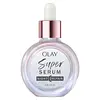 Key Ingredients
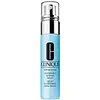
Benefits
Concerns
Ingredients Side-by-side
Water
Skin ConditioningGlycerin
Humectant



Dimethicone
Emollient
Niacinamide
Smoothing







Lactic Acid
Buffering



Polyacrylate Crosspolymer-6
Emulsion StabilisingPalmitoyl Dipeptide-7
Skin Conditioning
Oryza Sativa Bran Extract
Skin Conditioning
3-O-Ethyl Ascorbic Acid
Skin Conditioning
Sodium Hyaluronate
Humectant
Tocopheryl Acetate
Antioxidant

Panthenol
Skin Conditioning
Trehalose
Humectant
Salicylic Acid
Masking


PEG-11 Methyl Ether Dimethicone
Emulsifying
Sodium Lactate
BufferingSodium Benzoate
Masking
Mica
Cosmetic Colorant
Titanium Dioxide
Cosmetic Colorant

Water, Glycerin, Dimethicone, Niacinamide, Lactic Acid, Polyacrylate Crosspolymer-6, Palmitoyl Dipeptide-7, Oryza Sativa Bran Extract, 3-O-Ethyl Ascorbic Acid, Sodium Hyaluronate, Tocopheryl Acetate, Panthenol, Trehalose, Salicylic Acid, PEG-11 Methyl Ether Dimethicone, Sodium Lactate, Sodium Benzoate, Mica, Titanium Dioxide
Water
Skin ConditioningCyclopentasiloxane
Emollient
Dimethicone
Emollient
Polysilicone-11
Acetyl Glucosamine
Skin ConditioningPEG-10 Dimethicone
Skin Conditioning
Vitis Vinifera Fruit Extract
Skin ConditioningMorus Nigra Root Extract
Skin ConditioningHordeum Vulgare Extract
EmollientCastanea Sativa Seed Extract
Skin ConditioningSalicylic Acid
Masking
Polygonum Cuspidatum Root Extract
Antioxidant
Cholesterol
Emollient
Saccharomyces Lysate Extract
Humectant
Oryza Sativa Bran Extract
Skin Conditioning
Lactobionic Acid
Buffering
Scutellaria Baicalensis Root Extract
AstringentGlycine Soja Seed Extract
Skin Conditioning
Salvia Sclarea Extract
AntiseborrhoeicTriticum Vulgare Germ Extract
Skin ConditioningSoy Amino Acids
Skin ConditioningDi-C12-18 Alkyl Dimonium Chloride
Skin ConditioningCaffeine
Skin Conditioning
Glycerin
Humectant
Laminaria Saccharina Extract
Skin ProtectingCreatine
Skin ConditioningAcetyl Carnitine Hcl
Skin ConditioningSqualane
Emollient
Glycyrrhetinic Acid
Skin ConditioningAdenosine Phosphate
Skin ConditioningEthylhexylglycerin
Skin ConditioningPolysorbate 80
Emulsifying

Sodium Hyaluronate
Humectant
Isohexadecane
EmollientCaprylyl Glycol
Emollient
Butylene Glycol
Humectant
Citric Acid
Buffering
Polysorbate 20
Emulsifying
Acrylamide/Sodium Acryloyldimethyltaurate Copolymer
Emulsion StabilisingAmmonium Acryloyldimethyltaurate/Vp Copolymer
Yeast Extract
Skin Conditioning
Tocopheryl Acetate
Antioxidant
Hexylene Glycol
EmulsifyingPhytic Acid
Sodium Hydroxide
BufferingDisodium EDTA
BHT
Antioxidant
Phenoxyethanol
Preservative
Mica
Cosmetic Colorant
CI 77891
Cosmetic ColorantWater, Cyclopentasiloxane, Dimethicone, Polysilicone-11, Acetyl Glucosamine, PEG-10 Dimethicone, Vitis Vinifera Fruit Extract, Morus Nigra Root Extract, Hordeum Vulgare Extract, Castanea Sativa Seed Extract, Salicylic Acid, Polygonum Cuspidatum Root Extract, Cholesterol, Saccharomyces Lysate Extract, Oryza Sativa Bran Extract, Lactobionic Acid, Scutellaria Baicalensis Root Extract, Glycine Soja Seed Extract, Salvia Sclarea Extract, Triticum Vulgare Germ Extract, Soy Amino Acids, Di-C12-18 Alkyl Dimonium Chloride, Caffeine, Glycerin, Laminaria Saccharina Extract, Creatine, Acetyl Carnitine Hcl, Squalane, Glycyrrhetinic Acid, Adenosine Phosphate, Ethylhexylglycerin, Polysorbate 80, Sodium Hyaluronate, Isohexadecane, Caprylyl Glycol, Butylene Glycol, Citric Acid, Polysorbate 20, Acrylamide/Sodium Acryloyldimethyltaurate Copolymer, Ammonium Acryloyldimethyltaurate/Vp Copolymer, Yeast Extract, Tocopheryl Acetate, Hexylene Glycol, Phytic Acid, Sodium Hydroxide, Disodium EDTA, BHT, Phenoxyethanol, Mica, CI 77891
Ingredients Explained
These ingredients are found in both products.
Ingredients higher up in an ingredient list are typically present in a larger amount.
Dimethicone is a type of synthetic silicone created from natural materials such as quartz.
What it does:
Dimethicone comes in different viscosities:
Depending on the viscosity, dimethicone has different properties.
Ingredients lists don't always show which type is used, so we recommend reaching out to the brand if you have questions about the viscosity.
This ingredient is unlikely to cause irritation because it does not get absorbed into skin. However, people with silicone allergies should be careful about using this ingredient.
Note: Dimethicone may contribute to pilling. This is because it is not oil or water soluble, so pilling may occur when layered with products. When mixed with heavy oils in a formula, the outcome is also quite greasy.
Learn more about DimethiconeGlycerin is already naturally found in your skin. It helps moisturize and protect your skin.
A study from 2016 found glycerin to be more effective as a humectant than AHAs and hyaluronic acid.
As a humectant, it helps the skin stay hydrated by pulling moisture to your skin. The low molecular weight of glycerin allows it to pull moisture into the deeper layers of your skin.
Hydrated skin improves your skin barrier; Your skin barrier helps protect against irritants and bacteria.
Glycerin has also been found to have antimicrobial and antiviral properties. Due to these properties, glycerin is often used in wound and burn treatments.
In cosmetics, glycerin is usually derived from plants such as soybean or palm. However, it can also be sourced from animals, such as tallow or animal fat.
This ingredient is organic, colorless, odorless, and non-toxic.
Glycerin is the name for this ingredient in American English. British English uses Glycerol/Glycerine.
Learn more about GlycerinMica is a naturally occurring mineral used to add shimmer and color in cosmetics. It can also help improve the texture of a product or give it an opaque, white/silver color.
Serecite is the name for very fine but ragged grains of mica.
This ingredient is often coated with metal oxides like titanium dioxide. Trace amounts of heavy metals may be found in mica, but these metals are not harmful in our personal products.
Mica has been used since prehistoric times throughout the world. Ancient Egyptian, Indian, Greek, Roman, Aztec, and Chinese civilizations have used mica.
Learn more about MicaOryza Sativa Bran Extract comes from the outer layer of a rice kernel. It is a byproduct of milling rice, or the operation to produce a whole grain rice product.
This ingredient has moisturizing properties due to its components of polysaccharides and omega-3 fatty acids. It also contains calcium, selenium, phosphorus, iron, and zinc.
Oryza Sativa Bran Extract contains numerous antioxidants such as ferulic acid. Antioxidants help fight free-radical molecules. Free-radical molecules are capable of damaging our cells and other genetic material.
Learn more about Oryza Sativa Bran ExtractSalicylic Acid (also known as beta hydroxy acid or BHA) is a well-known ingredient for treating skin that struggles with acne and clogged pores. It exfoliates both the skin's surface and deep within the pores to help clear out buildup, control oil, and reduce inflammation.
Unlike AHAs (alpha hydroxy acids), salicylic acid is oil-soluble. This allows it to penetrate into pores which makes it especially effective for treating blackheads and preventing future breakouts.
Salicylic acid is also known for its soothing properties. It has a similar structure to aspirin and can calm inflamed or irritated skin, making it a good option for acne-prone skin that is also sensitive.
Concentrations of 0.5-2% are recognized by the U.S. FDA as an over-the-counter topical acne product.
It can cause irritation and/or dryness if one's skin already has a compromised moisture barrier, so it's best to focus on repairing that before introducing this ingredient into your routine.
While salicylic acid does not increase sun sensitivity, it’s still important to wear sunscreen daily to protect your skin.
If you are looking for the ingredient called BHA or Butylated Hydroxyanisole, click here.
Learn more about Salicylic AcidSodium Hyaluronate is hyaluronic acid's salt form. It is commonly derived from the sodium salt of hyaluronic acid.
Like hyaluronic acid, it is great at holding water and acts as a humectant. This makes it a great skin hydrating ingredient.
Sodium Hyaluronate is naturally occurring in our bodies and is mostly found in eye fluid and joints.
These are some other common types of Hyaluronic Acid:
Learn more about Sodium HyaluronateTocopheryl Acetate is AKA Vitamin E. It is an antioxidant and protects your skin from free radicals. Free radicals damage the skin by breaking down collagen.
One study found using Tocopheryl Acetate with Vitamin C decreased the number of sunburned cells.
Tocopheryl Acetate is commonly found in both skincare and dietary supplements.
Learn more about Tocopheryl AcetateWater. It's the most common cosmetic ingredient of all. You'll usually see it at the top of ingredient lists, meaning that it makes up the largest part of the product.
So why is it so popular? Water most often acts as a solvent - this means that it helps dissolve other ingredients into the formulation.
You'll also recognize water as that liquid we all need to stay alive. If you see this, drink a glass of water. Stay hydrated!
Learn more about Water
