
What's inside
What's inside
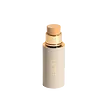 Key Ingredients
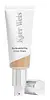
Benefits
Concerns
Ingredients Side-by-side
Cera Alba
Emollient





Simmondsia Chinensis Seed Oil
Emollient


C18-21 Alkane
SolventEthyl Palmate
EmollientCaprylic/Capric Triglyceride
Masking
Oryza Sativa Bran Wax
Skin Conditioning
Olea Europaea Fruit Oil
Masking
C10-18 Triglycerides
Emollient
Sambucus Nigra Fruit Extract
AstringentSilica
Abrasive


Coffea Arabica Seed Oil
Masking
Octyldodecanol
Emollient
Shorea Robusta Resin
TonicJojoba Esters
Emollient
Hydrogenated Lecithin
Emulsifying
Helianthus Annuus Seed Wax
Skin Conditioning
Oleic/Linoleic/Linolenic Polyglycerides
Emollient
Polyricinoleic Acid
Helianthus Annuus Seed Oil
Emollient
Tocopherol
Antioxidant





Pogostemon Cablin Leaf Extract
Perfuming
Beta-Sitosterol
Emulsion Stabilising
Acacia Decurrens Flower Wax
Emollient
Polyglycerin-3
Humectant
Magnesium Chloride
Squalene
Emollient
Mica
Cosmetic ColorantCI 77891
Cosmetic ColorantCI 77491
Cosmetic ColorantCI 77492
Cosmetic ColorantCI 77499
Cosmetic ColorantCera Alba, Simmondsia Chinensis Seed Oil, C18-21 Alkane, Ethyl Palmate, Caprylic/Capric Triglyceride, Oryza Sativa Bran Wax, Olea Europaea Fruit Oil, C10-18 Triglycerides, Sambucus Nigra Fruit Extract, Silica, Coffea Arabica Seed Oil, Octyldodecanol, Shorea Robusta Resin, Jojoba Esters, Hydrogenated Lecithin, Helianthus Annuus Seed Wax, Oleic/Linoleic/Linolenic Polyglycerides, Polyricinoleic Acid, Helianthus Annuus Seed Oil, Tocopherol, Pogostemon Cablin Leaf Extract, Beta-Sitosterol, Acacia Decurrens Flower Wax, Polyglycerin-3, Magnesium Chloride, Squalene, Mica, CI 77891, CI 77491, CI 77492, CI 77499
Lavandula Angustifolia Water
Masking
Octyldodecanol
Emollient
C10-18 Triglycerides
Emollient
Olea Europaea Fruit Oil
Masking
Mica
Cosmetic ColorantSqualane
Emollient
Moringa Oleifera Seed Oil
Emollient
Corylus Avellana Seed Oil
Emollient
Disodium Cocoyl Glutamate
Cleansing
Polyglyceryl-6 Distearate
Emulsifying
Jojoba Esters
Emollient
Theobroma Cacao Seed Butter
Emollient
Pullulan
Helianthus Annuus Seed Wax
Skin Conditioning
Trehalose
Humectant
Rosa Moschata Seed Oil
Emollient
Acacia Decurrens Flower Wax
Emollient
Caprylic/Capric Triglyceride
Masking
Polyglycerin-3
Humectant
Dioscorea Batatas Extract
Antioxidant
Sodium Hyaluronate
Humectant
Polyglyceryl-3 Beeswax
Emulsifying
Cetyl Alcohol
Emollient
Polyglutamic Acid
Skin Conditioning
Tocopherol
Antioxidant
Polyglyceryl-3 Polyricinoleate
Emulsifying
Glyceryl Caprylate
EmollientPolyhydroxystearic Acid
Emulsifying
Isostearic Acid
Cleansing
Lecithin
Emollient
Silver
Cosmetic ColorantXanthan Gum
EmulsifyingDisodium Capryloyl Glutamate
CleansingSodium Dehydroacetate
Preservative
Sodium Phytate
ChelatingCitric Acid
Buffering
Glycerin
Humectant
Parfum
Masking
Tin Oxide
Abrasive
CI 77891
Cosmetic ColorantCI 77491
Cosmetic ColorantCI 77492
Cosmetic ColorantCI 77499
Cosmetic ColorantLavandula Angustifolia Water, Octyldodecanol, C10-18 Triglycerides, Olea Europaea Fruit Oil, Mica, Squalane, Moringa Oleifera Seed Oil, Corylus Avellana Seed Oil, Disodium Cocoyl Glutamate, Polyglyceryl-6 Distearate, Jojoba Esters, Theobroma Cacao Seed Butter, Pullulan, Helianthus Annuus Seed Wax, Trehalose, Rosa Moschata Seed Oil, Acacia Decurrens Flower Wax, Caprylic/Capric Triglyceride, Polyglycerin-3, Dioscorea Batatas Extract, Sodium Hyaluronate, Polyglyceryl-3 Beeswax, Cetyl Alcohol, Polyglutamic Acid, Tocopherol, Polyglyceryl-3 Polyricinoleate, Glyceryl Caprylate, Polyhydroxystearic Acid, Isostearic Acid, Lecithin, Silver, Xanthan Gum, Disodium Capryloyl Glutamate, Sodium Dehydroacetate, Sodium Phytate, Citric Acid, Glycerin, Parfum, Tin Oxide, CI 77891, CI 77491, CI 77492, CI 77499
Ingredients Explained
These ingredients are found in both products.
Ingredients higher up in an ingredient list are typically present in a larger amount.
Also known as mimosa wax, this ingredient is a plant-derived wax from the flowers of the Acacia decurrens tree.
The wax has a profile that gives it skin benefits, including lipids that offer a skin conditioning effect. In a formula, it forms a breathable film on the skin's surface that reduces water loss, lock in moisture, and soften the skin.
One manufacturer study using a trade blend (jojoba esters + sunflower seed wax + this ingredient + polyglycerin 3) found it to perform equal to or better than lanolin in skin hydration.
On its own, typical usage concentrations run from 0.5-10% with 1-5% the most common in creams and up to 10% in lip balms.
Learn more about Acacia Decurrens Flower WaxC10-18 Triglycerides is a skin conditioning and texture-enhancer.
It is created from glycerin and a mixture of C10-18 fatty acids.
This ingredient improves spreadability and helps thicken a product.
According to manufacturers, it usually comes from vegetable-based saturated fatty acids. Common bases for this ingredient are coconut oil, palm kernel oil, or both.
Due to the melting point being close to skin temperature, it is usually used in lip products.
Triglycerides are a main component of fat in the human body.
Learn more about C10-18 TriglyceridesCaprylic/Capric Triglyceride (aka MCT Oil) is a lightweight emollient, solvent, and texture enhancer. It is considered a skin-softener by helping to prevent moisture loss.
Though it behaves like an oil, it is not technically one due to its chemical composition. One perk of this ingredient is that it is very stable, resistant to oxidation, and unlikely to go rancid.
In practice, that translates to a long shelf life and a consistently elegant skin feel.
While there is an assumption Caprylic Triglyceride can clog pores due to it being derived from coconut oil, there is no research supporting this. Just patch test if you have concerns.
Fractionated coconut oil and MCT Oil are both listed as Caprylic/Capric Triglyceride according to INCI. This is because INCI names are based on the ingredient’s final chemical composition and not its marketing name or source.
This ingredient is treated as the gold standard fungal acne safe oil. Even though it is coconut derived, the problematic lauric acid is stripped out.
This leaves just caprylic (C8) and capric (C10) acid. These chain lengths actually trend antifungal; a 2020 study found caprylic acid was enough to disrupt Malassezia furfur cell membrane, with a caprylic acid derivative damaging membrane structures at concentrations as low as 0.2%.
Learn more about Caprylic/Capric TriglycerideCi 77491 is also hydrated iron III oxide. It's sole purpose is to give a red/pink hue to products.
Iron III oxides are classified as inorganic chemicals for coloring.
Synthetically created Ci 77491 is considered safer than those naturally found. This is because the synthetically created version may contain less impurities. Iron oxides are generally non-toxic and non-allergenic.
Learn more about CI 77491CI 77492 is also hydrated iron III oxide. It's sole purpose is to give a yellow hue to products.
Iron III oxides are classified as inorganic chemicals for coloring.
Synthetically created CI 77492 is considered safer than those naturally found. This is because the synthetically created version may contain less impurities. Iron oxides are generally non-toxic and non-allergenic.
Learn more about CI 77492Ci 77499 is also hydrated iron III oxide. It is created from mixing red and black iron oxides. This helps give shades of darkness to a product.
Iron III oxides are classified as inorganic chemicals for coloring.
Ci 77891 is a white pigment from Titanium dioxide. It is naturally found in minerals such as rutile and ilmenite.
It's main function is to add a white color to cosmetics. It can also be mixed with other colors to create different shades.
Ci 77891 is commonly found in sunscreens due to its ability to block UV rays.
Learn more about CI 77891Helianthus Annuus Seed Wax is created from the common sunflower.
Sunflower seed wax is made up of long chain non-glyceride esters, a small amount of fatty alcohols, and fatty acids.
This ingredient is often used to enhance the texture of products. The fatty acid properties also help hydrate the skin.
Learn more about Helianthus Annuus Seed WaxJojoba Esters is a wax created from Jojoba oil. It is an emollient and film-forming ingredient. In bead form, it is an exfoliator.
This ingredient has high oxidative stability, meaning it doesn't break down when exposed to oxygen.
Its similarity to our skin's natural oils makes it a great emollient. Emollients help soften and soothe our skin by creating a barrier on top. This barrier helps trap moisture in, keeping skin hydrated.
It is created using either the hydrogenation or transesterification processes on jojoba oil.
Learn more about Jojoba EstersMica is a naturally occurring mineral used to add shimmer and color in cosmetics. It can also help improve the texture of a product or give it an opaque, white/silver color.
Serecite is the name for very fine but ragged grains of mica.
This ingredient is often coated with metal oxides like titanium dioxide. Trace amounts of heavy metals may be found in mica, but these metals are not harmful in our personal products.
Mica has been used since prehistoric times throughout the world. Ancient Egyptian, Indian, Greek, Roman, Aztec, and Chinese civilizations have used mica.
Learn more about MicaOctyldodecanol is a fatty alcohol sourced from plant oils like coconut or palm (or made synthetically).
It is:
You'll likely see this in many BHA products because this is the go-to solvent for salicylic acid.
This ingredient is typically used at levels between 2-20%.
Regarding fungal acne:
In 2019, this ingredient was tested against multiple Malassezia species (the yeast that causes fungal acne) and showed no growth.
This ingredient is also known as olive oil. It has been used in skincare for centuries and science largely backs up its reputation as a nourishing emollient.
The main components of olive oil are oleic acid (55-83%), linoleic acid (3.5-20%), and palmitic acid (7-20%). Oleic acid promotes skin regeneration and helps regulate inflammatory responses.
Squalene is also naturally present in olive oil and exhibits moisturizing and antioxidant properties.
The polyphenols in olive oil also show anti-aging promise; one clinical study found a measurable improvement in skin appearance after 30 days of topical serum use.
Just be aware that applying olive oil directly to skin can weaken the barrier and cause redness. One study with volunteers found even people without sensitive skin experienced a significant reduction in stratum corneum integrity and induced mild erythema.
It's best to use this ingredient as part of a carefully crafted formula (instead of putting it on skin directly from the bottle).
Because it has a 0-2 on the comedogenic scale, it is low risk for acne-prone skin. Just remember the overall formulation of a product matters more than a few ingredients with comedogenic ratings.
This ingredient may not be fungal acne safe because of the oleic and palmitic acid content. These fall within the C11-24 fatty acid range that the Malassezia yeast can metabolize to grow.
Overall, olive oil is a well-studied and nourishing skincare ingredient.
Learn more about Olea Europaea Fruit OilPolyglycerin-3 is a 3-unit glycerin polymer.
Like glycerin, this ingredient is a humectant. Humectants help hydrate your skin by drawing water to it.
Having moisturized skin helps improve the skin barrier. Your skin barrier helps protect against irritants and bacteria.
Learn more about Polyglycerin-3Tocopherol is a fat-soluble antioxidant known as Vitamin E.
You'll find this ingredient in the vast majority of skincare (for good reason). It works to neutralize free radicals, or unstable molecules generated by UV exposure, pollution, and other environmental stressors, before they can cause oxidative damage to your skin cells.
Topically applied tocopherol has been shown to protect against UV damage by ramping up the skin's own natural defense enzymes.
It also acts as a skin conditioning agent; some studies show that regular topical use can improve the skin's water-binding capacity over 2-4 weeks.
This ingredient is especially loved for being a team player. When combined with Vitamin C, the photoprotective effect of both ingredients roughly doubles and the combo also helps reduce UV-induced DNA damage.
This ingredient has some brightening potential but it's more of a prevention ingredient than spot-fader. Cell studies show it can slow down melanin production but it's worth noting that it's not the most powerful brightener out there.
In formulations, it also serves as a stabilizer that helps protect other oxidation-prone ingredients from degrading.
Concentrations usually range from 0.1-1% in most leave-on products.
Learn more about Tocopherol

