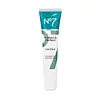
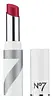
This anti-aging lip moisturizer is formulated around Palmitoyl Tripeptide-1 and Palmitoyl Tetrapeptide-7 to soften the look of wrinkles.

What's inside
What's inside
 Key Ingredients
Benefits
Concerns
Ingredients Side-by-side
Water
Skin ConditioningGlycerin
Humectant


Butylene Glycol
Humectant
Diisopropyl Dimer Dilinoleate
Emollient

Cyclopentasiloxane
Emollient
Cetearyl Alcohol
Emollient




Butyrospermum Parkii Butter
Skin Conditioning
Lanolin
Emollient
Cetearyl Olivate
Paraffinum Liquidum
Emollient
Sorbitan Olivate
Emulsifying
C18-36 Acid Glycol Ester
EmollientDimethicone
Emollient
Tapioca Starch
Dimethicone Crosspolymer
Emulsion Stabilising
Phenoxyethanol
Preservative
Dipalmitoyl Hydroxyproline
Skin Conditioning
Paraffin
Skin Conditioning
Xanthan Gum
EmulsifyingCera Microcristallina
Emulsion StabilisingMethylparaben
Preservative

Ethylparaben
Preservative
Ethyl Vanillin
MaskingPalmitic Acid
Emollient
Ascorbyl Glucoside
Antioxidant



Tetrasodium EDTA
ChelatingPotassium Hydroxide
BufferingSodium Saccharin
MaskingCarbomer
Emulsion StabilisingPhyllanthus Emblica Fruit Extract
HumectantPolysorbate 20
Emulsifying
Ginkgo Biloba Leaf Extract
Skin Conditioning

Palmitoyl Tripeptide-1
Skin Conditioning

Palmitoyl Tetrapeptide-7
Skin Conditioning
Water, Glycerin, Butylene Glycol, Diisopropyl Dimer Dilinoleate, Cyclopentasiloxane, Cetearyl Alcohol, Butyrospermum Parkii Butter, Lanolin, Cetearyl Olivate, Paraffinum Liquidum, Sorbitan Olivate, C18-36 Acid Glycol Ester, Dimethicone, Tapioca Starch, Dimethicone Crosspolymer, Phenoxyethanol, Dipalmitoyl Hydroxyproline, Paraffin, Xanthan Gum, Cera Microcristallina, Methylparaben, Ethylparaben, Ethyl Vanillin, Palmitic Acid, Ascorbyl Glucoside, Tetrasodium EDTA, Potassium Hydroxide, Sodium Saccharin, Carbomer, Phyllanthus Emblica Fruit Extract, Polysorbate 20, Ginkgo Biloba Leaf Extract, Palmitoyl Tripeptide-1, Palmitoyl Tetrapeptide-7
Ricinus Communis Seed Oil
Masking
Bis-Diglyceryl Polyacyladipate-2
Emollient
C10-30 Cholesterol/Lanosterol Esters
Emulsifying
Ethylhexyl Methoxycinnamate
UV Absorber
Paraffin
Skin Conditioning
Polybutene
Cera Microcristallina
Emulsion StabilisingCopernicia Cerifera Wax
Cera Alba
Emollient
Calcium Aluminum Borosilicate
Tocopheryl Acetate
Antioxidant
Glycerin
Humectant
Theobroma Cacao Seed Butter
Emollient
Ethylhexyl Palmitate
Emollient
Synthetic Wax
Abrasive
Panthenol
Skin Conditioning
Polyethylene
Abrasive
Silica
Abrasive

Tribehenin
Emollient
Mica
Cosmetic ColorantCaprylic/Capric Triglyceride
Masking
Retinyl Palmitate
Skin Conditioning

Helianthus Annuus Seed Oil
Emollient
Sorbitan Isostearate
Emulsifying
BHT
Antioxidant
Lactic Acid
Buffering
Tin Oxide
Abrasive
Tocopherol
Antioxidant
Silica Dimethyl Silylate
EmollientPalmitoyl Tripeptide-1
Skin Conditioning
Sodium Hyaluronate
Humectant
Methylparaben
Preservative
CI 15850
Cosmetic ColorantCI 77491
Cosmetic ColorantCI 77499
Cosmetic ColorantCI 77891
Cosmetic ColorantRicinus Communis Seed Oil, Bis-Diglyceryl Polyacyladipate-2, C10-30 Cholesterol/Lanosterol Esters, Ethylhexyl Methoxycinnamate, Paraffin, Polybutene, Cera Microcristallina, Copernicia Cerifera Wax, Cera Alba, Calcium Aluminum Borosilicate, Tocopheryl Acetate, Glycerin, Theobroma Cacao Seed Butter, Ethylhexyl Palmitate, Synthetic Wax, Panthenol, Polyethylene, Silica, Tribehenin, Mica, Caprylic/Capric Triglyceride, Retinyl Palmitate, Helianthus Annuus Seed Oil, Sorbitan Isostearate, BHT, Lactic Acid, Tin Oxide, Tocopherol, Silica Dimethyl Silylate, Palmitoyl Tripeptide-1, Sodium Hyaluronate, Methylparaben, CI 15850, CI 77491, CI 77499, CI 77891
Ingredients Explained
These ingredients are found in both products.
Ingredients higher up in an ingredient list are typically present in a larger amount.
Cera Microcristallina, aka microcrystalline wax, is a petroleum-derived wax that helps thicken texture and stabilize the oils in formulas.
It also has mild occlusive properties that creates a film on skin to slow down water loss.
The CIR Expert Panel has concluded this ingredient to be safe as used in cosmetics.
This ingredient is refined to a cosmetic grade with high purity. It is chemically inert, stable, and doesn't clog pores (petroleum has a comedogenic rating of 0).
Malassezia feeds on fatty acids roughly in the C11-24 range and this ingredient contains none of those. Since there's no plausible food source for it here, this ingredient is fungal acne safe.
Learn more about Cera MicrocristallinaGlycerin (or glycerol) is a compound naturally found in your skin. It's a powerhouse humectant that pulls water into the stratum corneum.
Topically, glycerin does several things at once:
Your skin makes glycerin on its own (mostly from sebaceous oil breakdown) and shuttles it to your outermost layer of skin, or your epidermis, via aquaporin-3.
Aquaporin-3 is a transporter that is essential for normal skin hydration, elasticity, and repair. Interestingly, mice lacking in AQP3 have dry and less elastic skin that can be fully corrected with glycerin.
This ingredient is non-irritating, plays well with almost every ingredient, and works across all skin types. Typical use is anywhere between 3-10% but can go up to 79% in some leave-on products.
Just know very high concentrations (>40%) can feel tacky in low humidity.
Glycerin is the name for this ingredient in American English. British English uses Glycerol/Glycerine.
Learn more about GlycerinMethylparaben is a synthetic preservative and one of the most widely used in the world. It has a simple, but important job: prevent your products from going bad by stopping bacteria, yeast, and mold from growing.
Typical use levels are low, often 0.1-0.3%.
This is also one of the most heavily studied preservatives out there and major regulatory bodies have repeatedly given it the green light.
In 2023, the EU's Scientific Committee on Consumer Safety (SCCS) confirmed that this ingredient is safe up to 0.4% on its own, of up to 0.8% when mixed with other paraben esters.
Here's the science behind the noise behind parabens/hormones as well:
Methylparaben shows very weak estrogen-like activity in vitro tests (more than 1,000x weaker than your body's own estradiol). In vivo (live-organism) studies don't support a meaningful endocrine-disrupting effect either.
You get a stronger estrogenic effect from eating tofu, actually.
It's also a low sensitizer and allergic reactions are uncommon; they usually happen on damage or broken skin.
There is a caveat: France has proposed to formally re-examine its endocrine classification in 2025 so the regulatory conversation isn't fully closed as of yet.
But as it stands today, this ingredient is considered safe at permitted levels.
Learn more about MethylparabenPalmitoyl Tripeptide-1 (aka Pal-GHK) is a synthetic signal peptide made of three amino acids attached to palmitic acid.
That fatty acid attachment is the key: it boosts the peptide's ability to penetrate the skin barrier. This puts it closer to the dermal cells where it can actually make a difference.
Once there, it acts as a matrikine, a signaling peptide that prompts fibroblasts to produce more collagen, fibronectin, and hyaluronic acid.
In vitro studies show it can boost collagen production in skin cells even when UV-damaged skin samples were treated with it at a tiny concentration (it almost fully restored dermal collagen at 5ppm). It achieved this at 100x lower concentration than retinoic acid, which needed 500 ppm to do the same thing.
Human clinical data is promising, but modest:
A study of 23 female volunteers found a small but statistically significant increase (~4%) in skin thickness after treatment at 4 ppm.
A separate small trial of 15 women showed statistically significant reductions in wrinkle length, depth, and skin roughness after applying it twice daily for four weeks.
You'll likely see Pal-GHK paired with Palmitoyl Tetrapeptide-7 as part of the Matrixyl 3000 complex.
Fungal acne note:
Usually a palmitic acid component can feed Malassezia in unbound form, but here is is covalently bonded to the peptide. This means it is very difficult for Malassezia to access, and therefore very unlikely to cause fungal acne.
Paraffin is a solid wax that pulls its weight as an emollient, occlusive, and consistency-booster.
It softens skin and lays down a protective film to slow water loss and gives products a stable body and structure.
The cosmetic grade stuff is highly refined with a solid safety record. The CIR Expert Panel has repeatedly reaffirmed this ingredient to be safe in current practices of use and concentration.
The worry about carcinogenic compounds only applies to industrial grades, not the purified version used in skincare.
Despite its reputation, the highly reformed form is non-comedogenic and doesn't penetrate deeply into skin.
The good news for fungal-acne prone folks: the Malassezia yeast feeds on fatty acids and lipids and paraffin doesn't contain any of these (so there's nothing for the yeast to metabolize). This ingredient is considered fungal acne safe.
Learn more about Paraffin

