
What's inside
What's inside
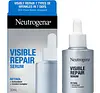 Key Ingredients
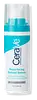
Benefits
Concerns
Ingredients Side-by-side
Water
Skin ConditioningGlycerin
Humectant


C12-15 Alkyl Benzoate
AntimicrobialEthylhexyl Palmitate
Emollient


Dimethicone
Emollient
Pentylene Glycol
Skin Conditioning
Cetearyl Olivate
Caprylyl Glycol
Emollient
Trehalose
Humectant
Sorbitan Olivate
Emulsifying
Propanediol
Solvent
4-T-Butylcyclohexanol
Masking


Butylene Glycol
Humectant
Chlorphenesin
Antimicrobial
Sodium Cocoyl Amino Acids
Cleansing
Carnosine
Skin Conditioning
Parfum
Masking


Xanthan Gum
EmulsifyingPolysorbate 20
Emulsifying
Ammonium Acryloyldimethyltaurate/Vp Copolymer
Lecithin
Emollient
Retinol
Skin Conditioning






Acrylates/C10-30 Alkyl Acrylate Crosspolymer
Emulsion StabilisingDimethiconol
Emollient
BHT
Antioxidant
Disodium EDTA
Yeast Extract
Skin ConditioningSarcosine
Skin Conditioning
Sodium Hydroxide
BufferingMagnesium Aspartate
Skin ConditioningPotassium Aspartate
Skin ConditioningPortulaca Oleracea Extract
Skin Conditioning
Water, Glycerin, C12-15 Alkyl Benzoate, Ethylhexyl Palmitate, Dimethicone, Pentylene Glycol, Cetearyl Olivate, Caprylyl Glycol, Trehalose, Sorbitan Olivate, Propanediol, 4-T-Butylcyclohexanol, Butylene Glycol, Chlorphenesin, Sodium Cocoyl Amino Acids, Carnosine, Parfum, Xanthan Gum, Polysorbate 20, Ammonium Acryloyldimethyltaurate/Vp Copolymer, Lecithin, Retinol, Acrylates/C10-30 Alkyl Acrylate Crosspolymer, Dimethiconol, BHT, Disodium EDTA, Yeast Extract, Sarcosine, Sodium Hydroxide, Magnesium Aspartate, Potassium Aspartate, Portulaca Oleracea Extract
Water
Skin ConditioningPropanediol
Solvent
Dimethicone
Emollient
Cetearyl Ethylhexanoate
Emollient
Niacinamide
Smoothing
Ammonium Polyacryloyldimethyl Taurate
Emulsion StabilisingDipotassium Glycyrrhizate
Humectant
Hydrogenated Lecithin
Emulsifying
Potassium Phosphate
BufferingCeramide NP
Skin Conditioning
Ceramide AP
Skin Conditioning
Ceramide EOP
Skin Conditioning
Carbomer
Emulsion StabilisingCetearyl Alcohol
Emollient
Behentrimonium Methosulfate
Surfactant
Dimethiconol
Emollient
Lecithin
Emollient
Sodium Citrate
BufferingRetinol
Skin Conditioning
Sodium Hyaluronate
Humectant
Sodium Lauroyl Lactylate
EmulsifyingCholesterol
Emollient
Phenoxyethanol
Preservative
Alcohol
Antimicrobial


Isopropyl Myristate
Emollient
Caprylyl Glycol
Emollient
Citric Acid
Buffering
Trisodium Ethylenediamine Disuccinate
Pentylene Glycol
Skin Conditioning
Phytosphingosine
Skin Conditioning
Xanthan Gum
EmulsifyingPolysorbate 20
Emulsifying
Ethylhexylglycerin
Skin ConditioningWater, Propanediol, Dimethicone, Cetearyl Ethylhexanoate, Niacinamide, Ammonium Polyacryloyldimethyl Taurate, Dipotassium Glycyrrhizate, Hydrogenated Lecithin, Potassium Phosphate, Ceramide NP, Ceramide AP, Ceramide EOP, Carbomer, Cetearyl Alcohol, Behentrimonium Methosulfate, Dimethiconol, Lecithin, Sodium Citrate, Retinol, Sodium Hyaluronate, Sodium Lauroyl Lactylate, Cholesterol, Phenoxyethanol, Alcohol, Isopropyl Myristate, Caprylyl Glycol, Citric Acid, Trisodium Ethylenediamine Disuccinate, Pentylene Glycol, Phytosphingosine, Xanthan Gum, Polysorbate 20, Ethylhexylglycerin
Reviews
Ingredients Explained
These ingredients are found in both products.
Ingredients higher up in an ingredient list are typically present in a larger amount.
Caprylyl Glycol is a humectant, skin conditioner, emollient, and preservative booster derived from either caprylic acid or synthetically created.
Typical use levels vary from 0.3-1% as a preservative booster and go up to 2% to condition skin.
Because it is not a free-fatty acid, this ingredient is fungal acne safe (there's nothing for Malassezia to feed on).
Learn more about Caprylyl GlycolDimethicone is a type of synthetic silicone created from natural materials such as quartz. It is also known as polydimethylsiloxane.
What it does:
Dimethicone comes in different viscosities:
Depending on the viscosity, dimethicone has different properties.
Ingredients lists don't always show which type is used, so we recommend reaching out to the brand if you have questions about the viscosity.
This ingredient is unlikely to cause irritation because it does not get absorbed into skin. However, people with silicone allergies should be careful about using this ingredient.
Note: Dimethicone may contribute to pilling. This is because it is not oil or water soluble, so pilling may occur when layered with products. When mixed with heavy oils in a formula, the outcome is also quite greasy.
Learn more about DimethiconeDimethiconol is a silicone that resembles the popular dimethicone. Like other silicones, it is an emollient. Emollients create a thin film on skin to prevent moisture from escaping.
This ingredient helps to create a silky texture and improve spreadability. Due to its high molecular weight and thickness, it is often combined with cyclopentasiloxane.
Lecithin is a term for a group of substances found in the cell membranes of plants, animals, and humans. They are made up of phospholipids.
Thanks to its amphiphilic structure (water-loving head and oil-loving tail), it is a true multitasker:
It plays well with most ingredients and is typically used at 0.1-1%. However, concentrations up to 50% have been reported in moisturizers.
Learn more about LecithinPentylene glycol is typically used within a product to thicken it. It also adds a smooth, soft, and moisturizing feel to the product. It is naturally found in plants such as sugar beets.
The hydrophilic trait of Pentylene Glycol makes it a humectant. As a humectant, Pentylene Glycol helps draw moisture from the air to your skin. This can help keep your skin hydrated.
This property also makes Pentylene Glycol a great texture enhancer. It can also help thicken or stabilize a product.
Pentylene Glycol also acts as a mild preservative and helps to keep a product microbe-free.
Some people may experience mild eye and skin irritation from Pentylene Glycol. We always recommend speaking with a professional about using this ingredient in your routine.
Pentylene Glycol has a low molecular weight and is part of the 1,2-glycol family.
Learn more about Pentylene GlycolPolysorbate 20 is a gentle, water-soluble emulsifier and mild surfactant. It stops oil and water from separating to keep your formulas blended and stable.
It also acts as a mild penetration enhancer by helping active ingredients absorb slightly better.
The common safety discussion around this ingredient involves a manufacturing byproduct called 1,4-dioxane.
Trace amounts can form during production but the EU's Scientific Committee on Consumer Safety has concluded that levels at/below 10 ppm in finished products are safe (commercial products consistently fall within acceptable margins).
True allergic reactions are uncommon and the CIR Expert Panel has confirmed this ingredient to be safe as used in cosmetics.
Because it is derived from lauric acid, it may not be fungal acne safe.
Learn more about Polysorbate 20Propanediol is an all-star ingredient. It softens, hydrates, and smooths the skin.
It’s often used to:
Propanediol is not likely to cause sensitivity and considered safe to use. It is derived from corn or petroleum with a clear color and no scent.
Learn more about PropanediolRetinol is a gold-standard ingredient for anti-aging. It is a form of Vitamin A and belongs to the class of retinoids that also includes tretinoin.
Why is retinol famous?
It has the most scientific studies backing up its skin benefits out of all the non-prescription ingredients.
Retinol is proven to:
This is why retinol is effective at removing wrinkles, fading dark spots, treating acne, and reducing the appearance of pores.
Studies show retinol is less effective when exposed to UV. Be sure to look for appropriate packaging to keep your retinol potent (similar to Vitamin C).
Using retinol or any retinoids will increase sun-sensitivity in the first few months. Though studies show retinoids increase your skin's natural SPF with continuous use, it is best to always wear sunscreen and sun-protection.
We recommend speaking with a medical professional about using this ingredient during pregnancy.
Retinol may cause irritation in some people, so be sure to patch test. Experts recommend 'ramping up' retinol use: start using this ingredient once a week and work up to using it daily.
Read about Tretinoin
Learn more about RetinolWater. It's the most common cosmetic ingredient of all. You'll usually see it at the top of ingredient lists, meaning that it makes up the largest part of the product.
So why is it so popular? Water most often acts as a solvent - this means that it helps dissolve other ingredients into the formulation.
You'll also recognize water as that liquid we all need to stay alive. If you see this, drink a glass of water. Remember to stay hydrated!
Learn more about WaterXanthan gum is used as a stabilizer and thickener within cosmetic products. It helps give products a sticky, thick feeling - preventing them from being too runny.
On the technical side of things, xanthan gum is a polysaccharide - a combination consisting of multiple sugar molecules bonded together.
Xanthan gum is a pretty common and great ingredient. It is a natural, non-toxic, non-irritating ingredient that is also commonly used in food products.
Learn more about Xanthan Gum
