
What's inside
What's inside
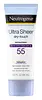 Key Ingredients
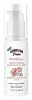
Benefits
Concerns
Ingredients Side-by-side
Butyl Methoxydibenzoylmethane 3%
UV Absorber
Homosalate 10%
Skin Conditioning
Ethylhexyl Salicylate 5%
UV Absorber
Octocrylene 10%
UV Absorber

Water
Skin ConditioningStyrene/Acrylates Copolymer
Silica
Abrasive


Dimethicone
Emollient

Potassium Cetyl Phosphate
EmulsifyingBenzyl Alcohol
Perfuming



Beeswax
Emulsion Stabilising


Caprylyl Methicone
Skin Conditioning
Glyceryl Stearate
Emollient
PEG-100 Stearate
Surfactant
Cetyl Dimethicone
Emollient
Caprylyl Glycol
Emollient
Ethylhexylglycerin
Skin ConditioningAluminum Starch Octenylsuccinate
Absorbent
Behenyl Alcohol
Emollient
Acrylates/Dimethicone Copolymer
Skin Conditioning
Xanthan Gum
EmulsifyingSodium Polyacrylate
Absorbent
Chlorphenesin
Antimicrobial
Dimethicone/PEG-10/15 Crosspolymer
Hydrolyzed Jojoba Esters
Skin Conditioning
Parfum
Masking

Disodium EDTA
Ethylhexyl Stearate
Emollient
Tocopheryl Acetate
Antioxidant


BHT
Antioxidant
Trideceth-6
EmulsifyingJojoba Esters
Emollient
Butyl Methoxydibenzoylmethane 3%, Homosalate 10%, Ethylhexyl Salicylate 5%, Octocrylene 10%, Water, Styrene/Acrylates Copolymer, Silica, Dimethicone, Potassium Cetyl Phosphate, Benzyl Alcohol, Beeswax, Caprylyl Methicone, Glyceryl Stearate, PEG-100 Stearate, Cetyl Dimethicone, Caprylyl Glycol, Ethylhexylglycerin, Aluminum Starch Octenylsuccinate, Behenyl Alcohol, Acrylates/Dimethicone Copolymer, Xanthan Gum, Sodium Polyacrylate, Chlorphenesin, Dimethicone/PEG-10/15 Crosspolymer, Hydrolyzed Jojoba Esters, Parfum, Disodium EDTA, Ethylhexyl Stearate, Tocopheryl Acetate, BHT, Trideceth-6, Jojoba Esters
Water
Skin ConditioningZinc Oxide
Cosmetic Colorant
C12-15 Alkyl Benzoate
AntimicrobialButyloctyl Salicylate
Skin Conditioning
Caprylic/Capric Triglyceride
Masking
Glycerin
Humectant
Cetyl PEG/PPG-10/1 Dimethicone
Emulsifying
Dimethicone
Emollient
Lauryl PEG-8 Dimethicone
Surfactant
Polyhydroxystearic Acid
Emulsifying
Sodium Chloride
MaskingCocos Nucifera Oil
Masking
Vp/Eicosene Copolymer
Ethylhexyl Methoxycrylene
Skin Conditioning
Alcohol Denat.
Antimicrobial
Phenoxyethanol
Preservative
Stearalkonium Bentonite
Gel FormingCaprylyl Glycol
Emollient
Parfum
Masking
Propylene Carbonate
SolventAleurites Moluccanus Seed Oil
Skin Conditioning
Ethylhexylglycerin
Skin ConditioningLinalool
Perfuming
Paraffinum Liquidum
Emollient
Limonene
Perfuming
Mica
Cosmetic ColorantPsidium Guajava Fruit Extract
AstringentPlumeria Acutifolia Flower Extract
Skin ConditioningPassiflora Incarnata Fruit Extract
Skin ConditioningMangifera Indica Fruit Extract
Skin ConditioningCarica Papaya Fruit Extract
Skin ConditioningCI 77163
Cosmetic Colorant
CI 77491
Cosmetic ColorantWater, Zinc Oxide, C12-15 Alkyl Benzoate, Butyloctyl Salicylate, Caprylic/Capric Triglyceride, Glycerin, Cetyl PEG/PPG-10/1 Dimethicone, Dimethicone, Lauryl PEG-8 Dimethicone, Polyhydroxystearic Acid, Sodium Chloride, Cocos Nucifera Oil, Vp/Eicosene Copolymer, Ethylhexyl Methoxycrylene, Alcohol Denat., Phenoxyethanol, Stearalkonium Bentonite, Caprylyl Glycol, Parfum, Propylene Carbonate, Aleurites Moluccanus Seed Oil, Ethylhexylglycerin, Linalool, Paraffinum Liquidum, Limonene, Mica, Psidium Guajava Fruit Extract, Plumeria Acutifolia Flower Extract, Passiflora Incarnata Fruit Extract, Mangifera Indica Fruit Extract, Carica Papaya Fruit Extract, CI 77163, CI 77491
Reviews
Ingredients Explained
These ingredients are found in both products.
Ingredients higher up in an ingredient list are typically present in a larger amount.
Caprylyl Glycol is a humectant, skin conditioner, emollient, and preservative booster derived from either caprylic acid or synthetically created.
Typical use levels vary from 0.3-1% as a preservative booster and go up to 2% to condition skin.
Because it is not a free-fatty acid, this ingredient is fungal acne safe (there's nothing for Malassezia to feed on).
Learn more about Caprylyl GlycolDimethicone is a type of synthetic silicone created from natural materials such as quartz. It is also known as polydimethylsiloxane.
What it does:
Dimethicone comes in different viscosities:
Depending on the viscosity, dimethicone has different properties.
Ingredients lists don't always show which type is used, so we recommend reaching out to the brand if you have questions about the viscosity.
This ingredient is unlikely to cause irritation because it does not get absorbed into skin. However, people with silicone allergies should be careful about using this ingredient.
Note: Dimethicone may contribute to pilling. This is because it is not oil or water soluble, so pilling may occur when layered with products. When mixed with heavy oils in a formula, the outcome is also quite greasy.
Learn more about DimethiconeEthylhexylglycerin is created from glycerin. It is a multitasker ingredient that:
The CIR Expert Panel found minimal skin absorption or sensitization of any kind in a safety assessment. Though this ingredient is considered well-tolerated, a small number of cases of allergic dermatitis have been published since 2002. Just be sure to patch test if you are unsure.
Industry-reported use ranges from 8% in rinse-off products and 2% in leave-on formulations.
Learn more about EthylhexylglycerinParfum is a catch-all term for an ingredient or more that is used to give a scent to products.
Also called "fragrance", this ingredient can be a blend of hundreds of chemicals or plant oils. This means every product with "fragrance" or "parfum" in the ingredients list is a different mixture.
For instance, Habanolide is a proprietary trade name for a specific aroma chemical. When used as a fragrance ingredient in cosmetics, most aroma chemicals fall under the broad labeling category of “FRAGRANCE” or “PARFUM” according to EU and US regulations.
The term 'parfum' or 'fragrance' is not regulated in many countries. In many cases, it is up to the brand to define this term.
For instance, many brands choose to label themselves as "fragrance-free" because they are not using synthetic fragrances. However, their products may still contain ingredients such as essential oils that are considered a fragrance by INCI standards.
One example is Calendula flower extract. Calendula is an essential oil that still imparts a scent or 'fragrance'.
Depending on the blend, the ingredients in the mixture can cause allergies and sensitivities on the skin. Some ingredients that are known EU allergens include linalool and citronellol.
Parfum can also be used to mask or cover an unpleasant scent.
The bottom line is: not all fragrances/parfum/ingredients are created equally. If you are worried about fragrances, we recommend taking a closer look at an ingredient. And of course, we always recommend speaking with a professional.
Learn more about ParfumWater. It's the most common cosmetic ingredient of all. You'll usually see it at the top of ingredient lists, meaning that it makes up the largest part of the product.
So why is it so popular? Water most often acts as a solvent - this means that it helps dissolve other ingredients into the formulation.
You'll also recognize water as that liquid we all need to stay alive. If you see this, drink a glass of water. Remember to stay hydrated!
Learn more about Water
