

What's inside
What's inside
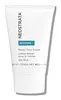 Key Ingredients
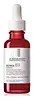
Benefits
Concerns
Ingredients Side-by-side
Water
Skin ConditioningGluconolactone
Skin Conditioning







Cyclopentasiloxane
Emollient
Lactobionic Acid
Buffering
Propylene Glycol
Humectant


Ethylhexyl Hydroxystearate
Emollient
Cyclohexasiloxane
Emollient
Triethanolamine
BufferingLimnanthes Alba Seed Oil
Skin Conditioning
Glycerin
Humectant
Arginine
Masking
C12-15 Alkyl Ethylhexanoate
EmollientGlycol Distearate
Emollient
Octyldodecyl Myristate
EmollientStearyl Alcohol
Emollient
PEG-100 Stearate
Surfactant
Glyceryl Stearate
Emollient
Ethoxydiglycol
HumectantHydrogenated Vegetable Oil
Emollient
Petrolatum
Emollient
Dimethicone
Emollient
Algae Extract
EmollientHydrogenated Lecithin
Emulsifying
Phosphatidylcholine
EmulsifyingSodium Hyaluronate
Humectant

Palmitic Acid
Emollient
Stearic Acid
Cleansing
Myristic Acid
Cleansing
Steareth-2
EmulsifyingCaprylic/Capric/Myristic/Stearic Triglyceride
EmollientHydroxyethylcellulose
Emulsion StabilisingXanthan Gum
EmulsifyingPolyacrylamide
C13-14 Isoparaffin
Emollient
Laureth-7
EmulsifyingCaprylyl Glycol
Emollient
Disodium EDTA
Sodium Sulfite
Preservative
Sodium Bisulfite
Antioxidant
Phenoxyethanol
Preservative
Chlorphenesin
Antimicrobial
CI 19140
Cosmetic ColorantCI 17200
Cosmetic ColorantWater, Gluconolactone, Cyclopentasiloxane, Lactobionic Acid, Propylene Glycol, Ethylhexyl Hydroxystearate, Cyclohexasiloxane, Triethanolamine, Limnanthes Alba Seed Oil, Glycerin, Arginine, C12-15 Alkyl Ethylhexanoate, Glycol Distearate, Octyldodecyl Myristate, Stearyl Alcohol, PEG-100 Stearate, Glyceryl Stearate, Ethoxydiglycol, Hydrogenated Vegetable Oil, Petrolatum, Dimethicone, Algae Extract, Hydrogenated Lecithin, Phosphatidylcholine, Sodium Hyaluronate, Palmitic Acid, Stearic Acid, Myristic Acid, Steareth-2, Caprylic/Capric/Myristic/Stearic Triglyceride, Hydroxyethylcellulose, Xanthan Gum, Polyacrylamide, C13-14 Isoparaffin, Laureth-7, Caprylyl Glycol, Disodium EDTA, Sodium Sulfite, Sodium Bisulfite, Phenoxyethanol, Chlorphenesin, CI 19140, CI 17200
Water
Skin ConditioningGlycerin
Humectant
Cyclohexasiloxane
Emollient
Alcohol Denat.
Antimicrobial


Pentylene Glycol
Skin Conditioning
Niacinamide
Smoothing


Dimethicone
Emollient
Glycine Soja Oil
Emollient
PPG-6-Decyltetradeceth-30
EmulsifyingSodium Hyaluronate
Humectant
Retinol
Skin Conditioning
Adenosine
Skin Conditioning
Ammonium Polyacryloyldimethyl Taurate
Emulsion StabilisingCaprylyl Glycol
Emollient
Citric Acid
Buffering
Trisodium Ethylenediamine Disuccinate
Xanthan Gum
EmulsifyingPolysilicone-11
Retinyl Palmitate
Skin Conditioning
Tocopherol
Antioxidant
Phenoxyethanol
Preservative
Parfum
Masking

Water, Glycerin, Cyclohexasiloxane, Alcohol Denat., Pentylene Glycol, Niacinamide, Dimethicone, Glycine Soja Oil, PPG-6-Decyltetradeceth-30, Sodium Hyaluronate, Retinol, Adenosine, Ammonium Polyacryloyldimethyl Taurate, Caprylyl Glycol, Citric Acid, Trisodium Ethylenediamine Disuccinate, Xanthan Gum, Polysilicone-11, Retinyl Palmitate, Tocopherol, Phenoxyethanol, Parfum
Reviews
Ingredients Explained
These ingredients are found in both products.
Ingredients higher up in an ingredient list are typically present in a larger amount.
Caprylyl Glycol is a humectant, skin conditioner, emollient, and preservative booster derived from either caprylic acid or synthetically created.
Typical use levels vary from 0.3-1% as a preservative booster and go up to 2% to condition skin.
Because it is not a free-fatty acid or alcohol, this ingredient is fungal acne safe (there's nothing for Malassezia to feed on).
Learn more about Caprylyl GlycolCyclohexasiloxane is a type of silicone more commonly known as D6. It is an emollient and solvent.
Cyclohexasiloxane is used to evenly distribute ingredients throughout the product. When applied to the skin, Cyclohexasiloxane evaporates and leaves behind a silky feel.
As an emollient, it can help the skin feel soft and hydrated. It is also used to reduce frizz in hair products.
Learn more about CyclohexasiloxaneDimethicone is a type of synthetic silicone created from natural materials such as quartz. It is also known as polydimethylsiloxane.
What it does:
Dimethicone comes in different viscosities:
Depending on the viscosity, dimethicone has different properties.
Ingredients lists don't always show which type is used, so we recommend reaching out to the brand if you have questions about the viscosity.
This ingredient is unlikely to cause irritation because it does not get absorbed into skin. However, people with silicone allergies should be careful about using this ingredient.
Note: Dimethicone may contribute to pilling. This is because it is not oil or water soluble, so pilling may occur when layered with products. When mixed with heavy oils in a formula, the outcome is also quite greasy.
Learn more about DimethiconeGlycerin (or glycerol) is a compound naturally found in your skin. It's a powerhouse humectant that pulls water into the stratum corneum.
Topically, glycerin does several things at once:
Your skin makes glycerin on its own (mostly from sebaceous oil breakdown) and shuttles it to your outermost layer of skin, or your epidermis, via aquaporin-3.
Aquaporin-3 is a transporter that is essential for normal skin hydration, elasticity, and repair. Interestingly, mice lacking in AQP3 have dry and less elastic skin that can be fully corrected with glycerin.
This ingredient is non-irritating, plays well with almost every ingredient, and works across all skin types. Typical use is anywhere between 3-10% but can go up to 79% in some leave-on products.
Just know very high concentrations (>40%) can feel tacky in low humidity.
Glycerin is the name for this ingredient in American English. British English uses Glycerol/Glycerine.
Learn more about GlycerinPhenoxyethanol is a preservative that has germicide, antimicrobial, and aromatic properties. Studies show that phenoxyethanol can prevent microbial growth. By itself, it has a scent that is similar to that of a rose.
It's often used in formulations along with Caprylyl Glycol to preserve the shelf life of products.
Sodium Hyaluronate is the salt form of hyaluronic acid. It is a long sugar chain that is naturally found in your skin, joints, and connective tissue that maintains hydration and elasticity.
In skincare, it works as a humectant. It pulls water from the environment and deeper layers of skin and binds it to the surface.
Interestingly, the size of the molecule affects its behavior:
Some clinical evidence links low molecular weight versions to improved wrinkle depth, elasticity, anti-inflammatory effects, and barrier repair.
Many serums use a blend of both weights so you can get surface hydration plus longer-lasting and deeper effects.
You'll typically see concentrations between 0.1-2% for this ingredient.
Learn more about Sodium HyaluronateWater. It's the most common cosmetic ingredient of all. You'll usually see it at the top of ingredient lists, meaning that it makes up the largest part of the product.
So why is it so popular? Water most often acts as a solvent - this means that it helps dissolve other ingredients into the formulation.
You'll also recognize water as that liquid we all need to stay alive. If you see this, drink a glass of water. Remember to stay hydrated!
Learn more about WaterXanthan gum is used as a stabilizer and thickener within cosmetic products. It helps give products a sticky, thick feeling - preventing them from being too runny.
On the technical side of things, xanthan gum is a polysaccharide - a combination consisting of multiple sugar molecules bonded together.
Xanthan gum is a pretty common and great ingredient. It is a natural, non-toxic, non-irritating ingredient that is also commonly used in food products.
Learn more about Xanthan Gum
