

What's inside
What's inside
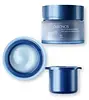 Key Ingredients

Benefits
Concerns
Ingredients Side-by-side
Water
Skin ConditioningDimethicone
Emollient
Pentylene Glycol
Skin ConditioningGlycerin
Humectant



Propanediol
Solvent
Trehalose
Humectant
Polymethylsilsesquioxane
Betaine
Humectant

Caprylic/Capric Triglyceride
Masking
Phenoxyethanol
Preservative
Ammonium Acryloyldimethyltaurate/Vp Copolymer
Tocopherol
Antioxidant


Carbomer
Emulsion StabilisingFevillea Trilobata Seed Oil
Astringent
Hydroxyacetophenone
Antioxidant
Sodium Hyaluronate
Humectant
Parfum
Masking


Sorbitol
Humectant
Sodium Gluconate
Skin ConditioningSodium Hydroxide
BufferingTrilaureth-4 Phosphate
EmulsifyingPolyglyceryl-2 Sesquiisostearate
Emulsifying
Conobea Scoparioides Leaf Oil
Masking
Sodium Carbonate
BufferingSodium Chloride
Masking

Sodium Sulfate

Citronellol
Perfuming

Alpha-Isomethyl Ionone
Perfuming
CI 42090
Cosmetic ColorantWater, Dimethicone, Pentylene Glycol, Glycerin, Propanediol, Trehalose, Polymethylsilsesquioxane, Betaine, Caprylic/Capric Triglyceride, Phenoxyethanol, Ammonium Acryloyldimethyltaurate/Vp Copolymer, Tocopherol, Carbomer, Fevillea Trilobata Seed Oil, Hydroxyacetophenone, Sodium Hyaluronate, Parfum, Sorbitol, Sodium Gluconate, Sodium Hydroxide, Trilaureth-4 Phosphate, Polyglyceryl-2 Sesquiisostearate, Conobea Scoparioides Leaf Oil, Sodium Carbonate, Sodium Chloride, Sodium Sulfate, Citronellol, Alpha-Isomethyl Ionone, CI 42090
Water
Skin ConditioningIsohexadecane
EmollientStearyl Heptanoate
Emollient
Glycerin
Humectant
Butylene Glycol
Humectant
Isopropyl Isostearate
Emollient
Niacinamide
Smoothing




Cetearyl Olivate
Trehalose
Humectant
Squalane
Emollient
Dimethicone
Emollient
Stearic Acid
Cleansing
Aluminum Starch Octenylsuccinate
Absorbent
Polymethylsilsesquioxane
Silica
Abrasive
Sodium Hyaluronate
Humectant
Palmitoyl Tripeptide-1
Skin Conditioning
Palmitoyl Tetrapeptide-7
Skin Conditioning
Panthenol
Skin Conditioning
Sorbitan Olivate
Emulsifying
Cetearyl Alcohol
Emollient
Glyceryl Stearate
Emollient
PEG-100 Stearate
Polyethylene
Abrasive
Disodium EDTA
Polyacrylate-13
Polyisobutene
Polysorbate 20
Emulsifying
Caprylyl Glycol
Emollient
Phenoxyethanol
Preservative
Ethylhexylglycerin
Skin ConditioningCarbomer
Emulsion StabilisingWater, Isohexadecane, Stearyl Heptanoate, Glycerin, Butylene Glycol, Isopropyl Isostearate, Niacinamide, Cetearyl Olivate, Trehalose, Squalane, Dimethicone, Stearic Acid, Aluminum Starch Octenylsuccinate, Polymethylsilsesquioxane, Silica, Sodium Hyaluronate, Palmitoyl Tripeptide-1, Palmitoyl Tetrapeptide-7, Panthenol, Sorbitan Olivate, Cetearyl Alcohol, Glyceryl Stearate, PEG-100 Stearate, Polyethylene, Disodium EDTA, Polyacrylate-13, Polyisobutene, Polysorbate 20, Caprylyl Glycol, Phenoxyethanol, Ethylhexylglycerin, Carbomer
Reviews
Ingredients Explained
These ingredients are found in both products.
Ingredients higher up in an ingredient list are typically present in a larger amount.
Carbomer is a polymer of acrylic acid. Its main role is to create a gel consistency.
A high amount of carbomer can cause pilling or balling up of products. Don't worry, most products contain 1% or less of carbomer.
Dimethicone is a type of synthetic silicone created from natural materials such as quartz.
What it does:
Dimethicone comes in different viscosities:
Depending on the viscosity, dimethicone has different properties.
Ingredients lists don't always show which type is used, so we recommend reaching out to the brand if you have questions about the viscosity.
This ingredient is unlikely to cause irritation because it does not get absorbed into skin. However, people with silicone allergies should be careful about using this ingredient.
Note: Dimethicone may contribute to pilling. This is because it is not oil or water soluble, so pilling may occur when layered with products. When mixed with heavy oils in a formula, the outcome is also quite greasy.
Learn more about DimethiconeGlycerin is already naturally found in your skin. It helps moisturize and protect your skin.
A study from 2016 found glycerin to be more effective as a humectant than AHAs and hyaluronic acid.
As a humectant, it helps the skin stay hydrated by pulling moisture to your skin. The low molecular weight of glycerin allows it to pull moisture into the deeper layers of your skin.
Hydrated skin improves your skin barrier; Your skin barrier helps protect against irritants and bacteria.
Glycerin has also been found to have antimicrobial and antiviral properties. Due to these properties, glycerin is often used in wound and burn treatments.
In cosmetics, glycerin is usually derived from plants such as soybean or palm. However, it can also be sourced from animals, such as tallow or animal fat.
This ingredient is organic, colorless, odorless, and non-toxic.
Glycerin is the name for this ingredient in American English. British English uses Glycerol/Glycerine.
Learn more about GlycerinPhenoxyethanol is a preservative that has germicide, antimicrobial, and aromatic properties. Studies show that phenoxyethanol can prevent microbial growth. By itself, it has a scent that is similar to that of a rose.
It's often used in formulations along with Caprylyl Glycol to preserve the shelf life of products.
Polymethylsilsesquioxane is a silicone used as a film forming agent.
When applied to the skin, this ingredient creates an invisible film on the surface. This film still allows oxygen to pass through, but prevents moisture from escaping. This can help condition and hydrate the skin. It also leaves a silky feel when applied.
Polymethylsilsesquioxane has not been shown to clog pores. It has been deemed safe to use up to 55%, but most cosmetics use much less.
If you have concerns about using this ingredient, we recommend speaking with a professional.
Learn more about PolymethylsilsesquioxaneSodium Hyaluronate is hyaluronic acid's salt form. It is commonly derived from the sodium salt of hyaluronic acid.
Like hyaluronic acid, it is great at holding water and acts as a humectant. This makes it a great skin hydrating ingredient.
Sodium Hyaluronate is naturally occurring in our bodies and is mostly found in eye fluid and joints.
These are some other common types of Hyaluronic Acid:
Learn more about Sodium HyaluronateTrehalose is a disaccharide made of two glucose molecules (glucose is sugar!). Trehalose is used to help moisturize skin. It also has antioxidant properties.
As a humectant, trehalose helps draw moisture from the air to your skin. This helps keep your skin hydrated.
Due to its antioxidant properties, trehalose may help with signs of aging. Antioxidants help fight free-radical molecules, unstable molecules that may damage your skin.
In medicine, trehalose and hyaluronic acid are used to help treat dry eyes.
Some animals, plants, and bacteria create trehalose as a source of energy to survive freeze or lack of water.
Learn more about TrehaloseWater. It's the most common cosmetic ingredient of all. You'll usually see it at the top of ingredient lists, meaning that it makes up the largest part of the product.
So why is it so popular? Water most often acts as a solvent - this means that it helps dissolve other ingredients into the formulation.
You'll also recognize water as that liquid we all need to stay alive. If you see this, drink a glass of water. Stay hydrated!
Learn more about Water
