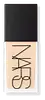
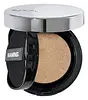
NARS Cosmetics Light Reflecting Advanced Skincare Foundation Versus Naming Layered Fit Cushion SPF 50+


What's inside
What's inside
 Key Ingredients
Benefits
Concerns
Ingredients Side-by-side
Water
Skin ConditioningC9-12 Alkane
SolventButylene Glycol
Humectant

Undecane
EmollientTridecane
Perfuming

Isodecyl Neopentanoate
EmollientHydrogenated Polyisobutene
EmollientPolyglyceryl-6 Polyricinoleate
Emulsifying

Polyglyceryl-2 Diisostearate
Emulsifying
Disteardimonium Hectorite
StabilisingDiisostearyl Malate
EmollientGlycerin
Humectant
Synthetic Wax
Abrasive

Sodium Chloride
MaskingOphiopogon Japonicus Root Extract
Skin ConditioningAscophyllum Nodosum Extract
Skin ConditioningTheobroma Cacao Seed Extract
Antioxidant
Curcuma Longa Root Extract
Antioxidant
Silybum Marianum Fruit Extract
Skin Conditioning
Aluminum Hydroxide
EmollientMagnesium Chloride
Sodium Dilauramidoglutamide Lysine
HumectantTocopherol
Antioxidant



Coco-Caprylate/Caprate
Emollient
Ethylhexylglycerin
Skin ConditioningPentylene Glycol
Skin Conditioning
Hydroxyphenyl Propamidobenzoic Acid
Skin ConditioningAscorbyl Palmitate
Antioxidant
Citric Acid
Buffering
Maris Aqua
HumectantTrisodium EDTA
CI 77120
Cosmetic ColorantAlumina
Abrasive
Chlorphenesin
Antimicrobial
Phenoxyethanol
Preservative
Potassium Sorbate
Preservative
CI 77491
Cosmetic ColorantCI 77492
Cosmetic ColorantCI 77499
Cosmetic ColorantMica
Cosmetic ColorantCI 77891
Cosmetic ColorantWater, C9-12 Alkane, Butylene Glycol, Undecane, Tridecane, Isodecyl Neopentanoate, Hydrogenated Polyisobutene, Polyglyceryl-6 Polyricinoleate, Polyglyceryl-2 Diisostearate, Disteardimonium Hectorite, Diisostearyl Malate, Glycerin, Synthetic Wax, Sodium Chloride, Ophiopogon Japonicus Root Extract, Ascophyllum Nodosum Extract, Theobroma Cacao Seed Extract, Curcuma Longa Root Extract, Silybum Marianum Fruit Extract, Aluminum Hydroxide, Magnesium Chloride, Sodium Dilauramidoglutamide Lysine, Tocopherol, Coco-Caprylate/Caprate, Ethylhexylglycerin, Pentylene Glycol, Hydroxyphenyl Propamidobenzoic Acid, Ascorbyl Palmitate, Citric Acid, Maris Aqua, Trisodium EDTA, CI 77120, Alumina, Chlorphenesin, Phenoxyethanol, Potassium Sorbate, CI 77491, CI 77492, CI 77499, Mica, CI 77891
Water
Skin ConditioningTitanium Dioxide
Cosmetic Colorant

Cyclopentasiloxane
Emollient
Ethylhexyl Methoxycinnamate
UV Absorber
Dimethicone
Emollient
Ethylhexyl Salicylate
UV Absorber
Phenyl Trimethicone
Skin Conditioning
Lauryl PEG-10 Tris(Trimethylsiloxy)Silylethyl Dimethicone
Emulsifying
Dipropylene Glycol Caprylate
EmollientGlycerin
Humectant
Niacinamide
Smoothing





Propanediol
Solvent
1,2-Hexanediol
Skin Conditioning
Trisiloxane
Skin Conditioning
Synthetic Fluorphlogopite
Isododecane
EmollientPEG-10 Dimethicone
Skin Conditioning
Acrylates/Polytrimethylsiloxymethacrylate Copolymer
Skin ConditioningIron Oxides
Disteardimonium Hectorite
StabilisingMagnesium Sulfate
Sorbitan Sesquioleate
Emulsifying

Caprylyl Glycol
Emollient
Cetearyl Dimethicone/Vinyl Dimethicone Crosspolymer
Emollient
Stearic Acid
Cleansing
Alumina
Abrasive
Vinyl Dimethicone/Lauryl Dimethicone Crosspolymer
Surfactant
Pvp
Emulsion StabilisingTriethoxycaprylylsilane
Aluminum Hydroxide
EmollientAdenosine
Skin Conditioning
Trisodium EDTA
Parfum
Masking
Tocopherol
Antioxidant
Water, Titanium Dioxide, Cyclopentasiloxane, Ethylhexyl Methoxycinnamate, Dimethicone, Ethylhexyl Salicylate, Phenyl Trimethicone, Lauryl PEG-10 Tris(Trimethylsiloxy)Silylethyl Dimethicone, Dipropylene Glycol Caprylate, Glycerin, Niacinamide, Propanediol, 1,2-Hexanediol, Trisiloxane, Synthetic Fluorphlogopite, Isododecane, PEG-10 Dimethicone, Acrylates/Polytrimethylsiloxymethacrylate Copolymer, Iron Oxides, Disteardimonium Hectorite, Magnesium Sulfate, Sorbitan Sesquioleate, Caprylyl Glycol, Cetearyl Dimethicone/Vinyl Dimethicone Crosspolymer, Stearic Acid, Alumina, Vinyl Dimethicone/Lauryl Dimethicone Crosspolymer, Pvp, Triethoxycaprylylsilane, Aluminum Hydroxide, Adenosine, Trisodium EDTA, Parfum, Tocopherol
Reviews
Ingredients Explained
These ingredients are found in both products.
Ingredients higher up in an ingredient list are typically present in a larger amount.
Alumina (aka aluminum oxide) is an inorganic mineral powder refined from bauxite that works as a quiet workhorse in a formula.
It shows up often as an abrasive, absorbent, anticaking, bulking, and viscosity-controlling agent.
One of its most common jobs is acting as a pigment carrier and dispersant.
Alumina platelets are often blended with inorganic sunscreens like Titanium Dioxide (or with colorants) and then coated with a silicone such as Triethoxycaprylylsilane so the pigment spreads evenly and smoothly.
In makeup, it can also double as a light-diffusing powder or oil absorber to keep formulas from looking greasy.
The Cosmetic Ingredient Review Expert Panel has concluded alumina to be safe in present practices of use and concentration.
They note it's a stable, oxidized compound and scientific research has failed to establish links to health issues.
Concentrations vary depending on the product:
Learn more about AluminaAluminum Hydroxide is a form of aluminum. It can be naturally found in nature as the mineral gibbsite. In cosmetics, Aluminum Hydroxide is used as a colorant, pH adjuster, and absorbent.
As a colorant, Aluminum Hydroxide may add opacity, or reduce the transparency. Aluminum hydroxide is contains both basic and acidic properties.
According to manufacturers, this ingredient is an emollient and humectant. This means it helps hydrate the skin.
In medicine, this ingredient is used to help relieve heartburn and help heal ulcers.
There is currently no credible scientific evidence linking aluminum hydroxide in cosmetics to increased cancer risk.
Major health organizations allow the use of aluminum hydroxide in personal care products and have not flagged it as a carcinogenic risk at typical usage levels.
Learn more about Aluminum HydroxideDisteardimonium Hectorite comes from the clay mineral named hectorite. It is used to add thickness to a product.
It can also help stabilize a product by helping to disperse other ingredients.
Hectorite is a rare, white clay mineral.
Learn more about Disteardimonium HectoriteGlycerin (or glycerol) is a compound naturally found in your skin. It's a powerhouse humectant that pulls water into the stratum corneum.
Topically, glycerin does several things at once:
Your skin makes glycerin on its own (mostly from sebaceous oil breakdown) and shuttles it to your outermost layer of skin, or your epidermis, via aquaporin-3.
Aquaporin-3 is a transporter that is essential for normal skin hydration, elasticity, and repair. Interestingly, mice lacking in AQP3 have dry and less elastic skin that can be fully corrected with glycerin.
This ingredient is non-irritating, plays well with almost every ingredient, and works across all skin types. Typical use is anywhere between 3-10% but can go up to 79% in some leave-on products.
Just know very high concentrations (>40%) can feel tacky in low humidity.
Glycerin is the name for this ingredient in American English. British English uses Glycerol/Glycerine.
Learn more about GlycerinTocopherol is a fat-soluble antioxidant known as Vitamin E.
You'll find this ingredient in the vast majority of skincare (for good reason). It works to neutralize free radicals, or unstable molecules generated by UV exposure, pollution, and other environmental stressors, before they can cause oxidative damage to your skin cells.
Topically applied tocopherol has been shown to protect against UV damage by ramping up the skin's own natural defense enzymes.
It also acts as a skin conditioning agent; some studies show that regular topical use can improve the skin's water-binding capacity over 2-4 weeks.
This ingredient is especially loved for being a team player. When combined with Vitamin C, the photoprotective effect of both ingredients roughly doubles and the combo also helps reduce UV-induced DNA damage.
This ingredient has some brightening potential but it's more of a prevention ingredient than spot-fader. Cell studies show it can slow down melanin production but it's worth noting that it's not the most powerful brightener out there.
In formulations, it also serves as a stabilizer that helps protect other oxidation-prone ingredients from degrading.
Concentrations usually range from 0.1-1% in most leave-on products.
Learn more about TocopherolTrisodium EDTA is one of those quietly essential helper ingredients that most people have never heard of. You'll most likely spot it near the end of ingredient lists in almost every category of skincare.
So what does it actually do?
Its main job is chelation; this is a fancy word to say it grabs onto metal ions and neutralizes them. This is because even purified water in cosmetics contains trace amounts of metals that can cause big problems in a formula.
These trace metals can break down actives faster, cause discoloration, promote rancidity in oils, and make preservatives less effective. Trisodium EDTA binds to these metals and takes them out of the equation so your products can stay stable and effective for longer.
There's also an added bonus: by neutralizing the metals ions that bacteria need to thrive, this ingredient also acts as a preservative booster.
The Cosmetic Ingredient Review has concluded this ingredient to be safe as used in cosmetic formulations. It is not considered an irritant, sensitizer, and is barely absorbed through the skin.
Learn more about Trisodium EDTAWater. It's the most common cosmetic ingredient of all. You'll usually see it at the top of ingredient lists, meaning that it makes up the largest part of the product.
So why is it so popular? Water most often acts as a solvent - this means that it helps dissolve other ingredients into the formulation.
You'll also recognize water as that liquid we all need to stay alive. If you see this, drink a glass of water. Remember to stay hydrated!
Learn more about Water

