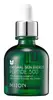
This anti-aging serum is formulated around Sodium Hyaluronate and Copper Tripeptide-1 to soften the look of wrinkles and hydrate skin.
This anti-aging serum is formulated around Carnosine and Palmitoyl Tripeptide-1 to soften the look of wrinkles.


What's inside
What's inside
 Key Ingredients
Benefits
Concerns
Ingredients Side-by-side
Water
Skin ConditioningMethylpropanediol
SolventButylene Glycol
Humectant

1,2-Hexanediol
Skin Conditioning
Polyglyceryl-10 Oleate
Skin Conditioning

Ethylhexylglycerin
Skin ConditioningSodium Hyaluronate
Humectant


Copper Tripeptide-1
Skin Conditioning

Adenosine
Skin Conditioning
Disodium EDTA
ChelatingBiosaccharide Gum-1
Humectant
Beta-Glucan
Skin Conditioning
Glycine
Buffering
Tocopherol
Antioxidant



Serine
Masking
Glutamic Acid
Humectant
Houttuynia Cordata Extract
Skin Conditioning
Centella Asiatica Extract
Cleansing
Hydrolyzed Hyaluronic Acid
Humectant
Hydrolyzed Sodium Hyaluronate
Skin Conditioning
Hyaluronic Acid
Humectant
Hydroxypropyltrimonium Hyaluronate
Potassium Hyaluronate
Skin ConditioningAspartic Acid
Masking
Leucine
Skin ConditioningPentylene Glycol
Skin Conditioning
Alanine
Masking
Lysine
Skin ConditioningArginine
Masking
Tyrosine
MaskingPhenylalanine
Masking
Threonine
Proline
Skin Conditioning
Valine
MaskingIsoleucine
Skin ConditioningSodium
Sodium Hyaluronate Crosspolymer
Humectant
Histidine
Humectant
Methionine
Skin ConditioningCysteine
Antioxidant
Sodium Acetylated Hyaluronate
Humectant
Phosphatidylcholine
EmulsifyingAcetyl Hexapeptide-8
Humectant
Sh-Oligopeptide-1
Skin Conditioning
Oligopeptide-29
Antioxidant
Oligopeptide-32
Antiseborrhoeic
Palmitoyl Pentapeptide-4
Skin Conditioning
Sh-Polypeptide-1
Skin Conditioning
Sh-Oligopeptide-2
Skin Conditioning
Sh-Polypeptide-22
Skin Conditioning
Phenoxyethanol
Preservative
Water, Methylpropanediol, Butylene Glycol, 1,2-Hexanediol, Polyglyceryl-10 Oleate, Ethylhexylglycerin, Sodium Hyaluronate, Copper Tripeptide-1, Adenosine, Disodium EDTA, Biosaccharide Gum-1, Beta-Glucan, Glycine, Tocopherol, Serine, Glutamic Acid, Houttuynia Cordata Extract, Centella Asiatica Extract, Hydrolyzed Hyaluronic Acid, Hydrolyzed Sodium Hyaluronate, Hyaluronic Acid, Hydroxypropyltrimonium Hyaluronate, Potassium Hyaluronate, Aspartic Acid, Leucine, Pentylene Glycol, Alanine, Lysine, Arginine, Tyrosine, Phenylalanine, Threonine, Proline, Valine, Isoleucine, Sodium, Sodium Hyaluronate Crosspolymer, Histidine, Methionine, Cysteine, Sodium Acetylated Hyaluronate, Phosphatidylcholine, Acetyl Hexapeptide-8, Sh-Oligopeptide-1, Oligopeptide-29, Oligopeptide-32, Palmitoyl Pentapeptide-4, Sh-Polypeptide-1, Sh-Oligopeptide-2, Sh-Polypeptide-22, Phenoxyethanol
Water
Skin ConditioningPropanediol
Solvent
Isononyl Isononanoate
EmollientButylene Glycol
Humectant
Pentylene Glycol
Skin Conditioning
Glycerin
Humectant
Limnanthes Alba Seed Oil
Skin Conditioning
Phenoxyethanol
Preservative
Castor Oil/Ipdi Copolymer
Acrylates/C10-30 Alkyl Acrylate Crosspolymer
Emulsion StabilisingCarnosine
Skin Conditioning
Caprylic/Capric Triglyceride
Masking
Carbomer
Emulsion StabilisingSodium Hyaluronate
Humectant
Lilium Candidum Leaf Cell Extract
Skin ConditioningSodium Hydroxide
BufferingAdenosine
Skin Conditioning
Helichrysum Stoechas Extract
TonicDisodium EDTA
ChelatingSodium Lactate
Buffering
Polysorbate 20
Emulsifying
Caprylyl Glycol
Emollient
1,2-Hexanediol
Skin Conditioning
Sorbitan Oleate
Emulsifying

Triethoxycaprylylsilane

Ethylene/Propylene/Styrene Copolymer
Palmitoyl Tripeptide-1
Skin Conditioning
Tocopherol
Antioxidant
Palmitoyl Tetrapeptide-7
Skin Conditioning
CI 77891
Cosmetic ColorantIron Oxides
Parfum
Masking


Linalool
Perfuming
Water, Propanediol, Isononyl Isononanoate, Butylene Glycol, Pentylene Glycol, Glycerin, Limnanthes Alba Seed Oil, Phenoxyethanol, Castor Oil/Ipdi Copolymer, Acrylates/C10-30 Alkyl Acrylate Crosspolymer, Carnosine, Caprylic/Capric Triglyceride, Carbomer, Sodium Hyaluronate, Lilium Candidum Leaf Cell Extract, Sodium Hydroxide, Adenosine, Helichrysum Stoechas Extract, Disodium EDTA, Sodium Lactate, Polysorbate 20, Caprylyl Glycol, 1,2-Hexanediol, Sorbitan Oleate, Triethoxycaprylylsilane, Ethylene/Propylene/Styrene Copolymer, Palmitoyl Tripeptide-1, Tocopherol, Palmitoyl Tetrapeptide-7, CI 77891, Iron Oxides, Parfum, Linalool
Ingredients Explained
These ingredients are found in both products.
Ingredients higher up in an ingredient list are typically present in a larger amount.
1,2-Hexanediol is a synthetic liquid and another multi-functional powerhouse.
It is a:
- Humectant, drawing moisture into the skin
- Emollient, helping to soften skin
- Solvent, dispersing and stabilizing formulas
- Preservative booster, enhancing the antimicrobial activity of other preservatives
Adenosine is a purine nucleoside that your body already makes in every cell. In skincare, it acts mainly as a skin conditioning and anti-aging agent.
The way it works is fairly well mapped out:
Your skin has cells called fibroblasts that build collagen (the stuff that keeps skin firm and smooth). Adenosine basically flips a switch on these cells that tells them to get to work making more collagen and other proteins. These cells slow down on their own as skin ages, so Adenosine helps give them a little nudge to keep going.
The clinical backing is pretty solid too.
A blind, randomized, placebo-controlled trial of 126 women aged 45-65 tested a 0.1% cream twice daily and found real improvements in crow's feet and frown lines using a precise 3D skin-mapping technique; these changes showed up by week 3 and held at 2 months.
A later study using Adenosine-loaded dissolving microneedle patches reported gains in wrinkle depth, dermal density, elasticity, and hydration.
On concentrations, South Korea's Ministry of Food and Drug Safety has set 0.04% as the approved functional anti-wrinkle level. You'll typically see this ingredient used somewhere in the 0.04-0.1% range since it works at low doses.
This ingredient has been found safe for cosmetics with the data showing no irritation or sensitization.
Overall, this is a great ingredient for any anti-aging routine and has no photosensitizing effect, so it suits both AM and PM use.
Learn more about AdenosineButylene Glycol (or BG) is used within cosmetic products for a few different reasons:
Overall, Butylene Glycol is a safe and well-rounded ingredient that works well with other ingredients.
Though this ingredient works well with most skin types, some people with sensitive skin may experience a reaction such as allergic rashes, closed comedones, or itchiness.
Learn more about Butylene GlycolDisodium EDTA is a chelating agent. It grabs onto and deactivates metal ions that sneak into your products from water, packaging, or air.
This ingredient mainly works behind the scenes and helps with:
On top of that, this ingredient can counteract the effects of hard water by binding to the minerals in it.
One thing worth knowing is that Disodium EDTA has been shown to be a mild penetration enhancer. It can help other ingredients absorb into skin more effectively which can be a double-edged sword (great for actives, but can also make the active too strong if you have sensitive skin).
Clinical patch testing showed no significant skin irritation at typical use concentrations and minimal dermal absorption.
You'll most likely see this ingredient near the end of an ingredient list. It's typically found in concentrations less than 1%.
Learn more about Disodium EDTAPentylene Glycol (1,2-pentanediol) is a multitasking little diol with three main roles in a formula:
Research on alkanediols (the family pentylene glycol belongs to) show they work by disrupting microbial cell membranes. This disruption helps the primary preservative system in a product work more effectively at lower doses.
On the safety side, the Cosmetic Ingredient Review Expert Panel has concluded this ingredient to be safe as used in current cosmetic practices + concentrations.
Typical use levels in a formula run about 1-5%.
Learn more about Pentylene GlycolPhenoxyethanol is one of the most widely used preservatives in skincare (and for good reason!).
It has a large spectrum of antimicrobial activity and especially effective bacteria, yeast, and mold while only having a weak effect on your skin's natural microbiome.
On a cellular level, it disrupts the cell membranes of microbes by poking holes that make the cell leak. This shuts down the chemical reactions the microbe needs to make energy so it can no longer survive.
Another perk of this ingredient is that it stays functional across a wide pH range (3-10).
You'll often see it paired with boosters like Ethylhexylglycerin; one study showed that a 1:9 ratio of Ethylhexylglycerin to Phenoxyethanol damages bacterial membranes as effectively as doubling the Phenoxyethanol concentration on its own.
Typical use concentrations range from 0.3-1% depending on the formula, and this ingredient is capped at 1% int the EU.
Safety-wise, the fear mongering does not hold up to the evidence. The EU's Scientific Committee on Consumer Safety and FDA consider it safe as a preservative at up to 1%, including for children of all ages.
Adverse systemic effects only showed up in animal studies at exposures roughly 200x higher than what people get from cosmetics. And despite its very widespread use, this ingredient is a rare sensitizer and allergic reactions are uncommon.
Learn more about PhenoxyethanolSodium Hyaluronate is the salt form of hyaluronic acid. It is a long sugar chain that is naturally found in your skin, joints, and connective tissue that maintains hydration and elasticity.
In skincare, it works as a humectant. It pulls water from the environment and deeper layers of skin and binds it to the surface.
Interestingly, the size of the molecule affects its behavior:
Some clinical evidence links low molecular weight versions to improved wrinkle depth, elasticity, anti-inflammatory effects, and barrier repair.
Many serums use a blend of both weights so you can get surface hydration plus longer-lasting and deeper effects.
You'll typically see concentrations between 0.1-2% for this ingredient.
Learn more about Sodium HyaluronateTocopherol is a fat-soluble antioxidant known as Vitamin E.
You'll find this ingredient in the vast majority of skincare (for good reason). It works to neutralize free radicals, or unstable molecules generated by UV exposure, pollution, and other environmental stressors, before they can cause oxidative damage to your skin cells.
Topically applied tocopherol has been shown to protect against UV damage by ramping up the skin's own natural defense enzymes.
It also acts as a skin conditioning agent; some studies show that regular topical use can improve the skin's water-binding capacity over 2-4 weeks.
This ingredient is especially loved for being a team player. When combined with Vitamin C, the photoprotective effect of both ingredients roughly doubles and the combo also helps reduce UV-induced DNA damage.
This ingredient has some brightening potential but it's more of a prevention ingredient than spot-fader. Cell studies show it can slow down melanin production but it's worth noting that it's not the most powerful brightener out there.
In formulations, it also serves as a stabilizer that helps protect other oxidation-prone ingredients from degrading.
Concentrations usually range from 0.1-1% in most leave-on products.
Learn more about TocopherolWater. It's the most common cosmetic ingredient of all. You'll usually see it at the top of ingredient lists, meaning that it makes up the largest part of the product.
So why is it so popular? Water most often acts as a solvent - this means that it helps dissolve other ingredients into the formulation.
You'll also recognize water as that liquid we all need to stay alive. If you see this, drink a glass of water. Remember to stay hydrated!
Learn more about Water

