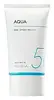
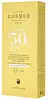
Missha All Round Safe Block Aqua Sun Gel SPF 50+ PA++++ Versus Cosmed Sun Essential Fluid SPF 50 PA++++
This chemical sunscreen covers the full UV range and blocks ~98% of UVB at SPF 50.
This hybrid sunscreen covers the full UV range and blocks ~98% of UVB at SPF 50.


What's inside
What's inside
 Key Ingredients
Benefits
Concerns
Ingredients Side-by-side
Water
Skin ConditioningPropanediol
Solvent

Ethylhexyl Salicylate
UV Absorber

Homosalate
Skin Conditioning
Dibutyl Adipate
EmollientBis-Ethylhexyloxyphenol Methoxyphenyl Triazine
UV Absorber
Methylene Bis-Benzotriazolyl Tetramethylbutylphenol
UV Filter
Caprylyl Methicone
Skin Conditioning
Polysilicone-15
UV Filter
Diethylamino Hydroxybenzoyl Hexyl Benzoate
UV Filter
Sodium Hyaluronate
Humectant


1,2-Hexanediol
Skin Conditioning
Pentylene Glycol
Skin Conditioning
Poly C10-30 Alkyl Acrylate
Emulsion StabilisingGlycerin
Humectant
Behenyl Alcohol
Emollient
Polyglyceryl-3 Methylglucose Distearate
Emulsifying

Vp/Eicosene Copolymer
Octadecane
Emollient

Lactic Acid/Glycolic Acid Copolymer
Skin ConditioningTromethamine
BufferingDecyl Glucoside
Cleansing
Carbomer
Emulsion StabilisingAcrylates/C10-30 Alkyl Acrylate Crosspolymer
Emulsion StabilisingSodium Stearoyl Glutamate
CleansingEthylhexylglycerin
Skin ConditioningPolyacrylate Crosspolymer-6
Emulsion StabilisingSodium Polyacrylate
Absorbent
Xanthan Gum
EmulsifyingPolyether-1
Caprylyl Glycol
Emollient
T-Butyl Alcohol
Perfuming


Guaiazulene
Antimicrobial
Glyceryl Glucoside
Humectant
Tocopherol
Antioxidant



Beta-Glucan
Skin Conditioning
Hydrolyzed Hyaluronic Acid
Humectant
Sodium Acetylated Hyaluronate
Humectant
Parfum
Masking
Water, Propanediol, Ethylhexyl Salicylate, Homosalate, Dibutyl Adipate, Bis-Ethylhexyloxyphenol Methoxyphenyl Triazine, Methylene Bis-Benzotriazolyl Tetramethylbutylphenol, Caprylyl Methicone, Polysilicone-15, Diethylamino Hydroxybenzoyl Hexyl Benzoate, Sodium Hyaluronate, 1,2-Hexanediol, Pentylene Glycol, Poly C10-30 Alkyl Acrylate, Glycerin, Behenyl Alcohol, Polyglyceryl-3 Methylglucose Distearate, Vp/Eicosene Copolymer, Octadecane, Lactic Acid/Glycolic Acid Copolymer, Tromethamine, Decyl Glucoside, Carbomer, Acrylates/C10-30 Alkyl Acrylate Crosspolymer, Sodium Stearoyl Glutamate, Ethylhexylglycerin, Polyacrylate Crosspolymer-6, Sodium Polyacrylate, Xanthan Gum, Polyether-1, Caprylyl Glycol, T-Butyl Alcohol, Guaiazulene, Glyceryl Glucoside, Tocopherol, Beta-Glucan, Hydrolyzed Hyaluronic Acid, Sodium Acetylated Hyaluronate, Parfum
Water
Skin ConditioningMethylene Bis-Benzotriazolyl Tetramethylbutylphenol
UV Filter
Pentylene Glycol
Skin Conditioning
C12-15 Alkyl Benzoate
AntimicrobialCaprylyl Methicone
Skin Conditioning
Bis-Ethylhexyloxyphenol Methoxyphenyl Triazine
UV Absorber
C12-16 Alcohols
EmollientHydrogenated Polyisobutene
EmollientPolysilicone-15
UV Filter
Dimethicone
Emollient
Ethylhexyl Triazone
UV Absorber
Potassium Cetyl Phosphate
EmulsifyingZinc Oxide
Cosmetic Colorant
Palm Acid
Cleansing
Hydrogenated Lecithin
Emulsifying
Caprylyl Glycol
Emollient
Ectoin
Skin Conditioning
Cannabis Sativa Seed Oil
Emollient
Squalane
Emollient
Sodium Polyacrylate
Absorbent
Bisabolol
Antioxidant
Helianthus Annuus Seed
Skin Conditioning
Silica
Abrasive

Glycine Soja Lipids
Skin ConditioningAcrylates/C10-30 Alkyl Acrylate Crosspolymer
Emulsion StabilisingAcacia Senegal Gum
MaskingHippophae Rhamnoides Acid
EmollientRosmarinus Officinalis Leaf Extract
AntimicrobialTocopherol
Antioxidant
Crocus Chrysanthus Bulb Extract
Skin ConditioningWater, Methylene Bis-Benzotriazolyl Tetramethylbutylphenol, Pentylene Glycol, C12-15 Alkyl Benzoate, Caprylyl Methicone, Bis-Ethylhexyloxyphenol Methoxyphenyl Triazine, C12-16 Alcohols, Hydrogenated Polyisobutene, Polysilicone-15, Dimethicone, Ethylhexyl Triazone, Potassium Cetyl Phosphate, Zinc Oxide, Palm Acid, Hydrogenated Lecithin, Caprylyl Glycol, Ectoin, Cannabis Sativa Seed Oil, Squalane, Sodium Polyacrylate, Bisabolol, Helianthus Annuus Seed, Silica, Glycine Soja Lipids, Acrylates/C10-30 Alkyl Acrylate Crosspolymer, Acacia Senegal Gum, Hippophae Rhamnoides Acid, Rosmarinus Officinalis Leaf Extract, Tocopherol, Crocus Chrysanthus Bulb Extract
Reviews
Ingredients Explained
These ingredients are found in both products.
Ingredients higher up in an ingredient list are typically present in a larger amount.
Acrylates/C10-30 Alkyl Acrylate Crosspolymer is a synthetic polymer. It is used to thicken, emulsify, and improve the texture of products.
As an emulsifier, it helps stabilize oil-in-water emulsions to give products an elegant feel when applied.
It can also form a thin protective film on skin. One study found that a formula using this polymer helped slow down how quickly other ingredients (like DEET) were absorbed through skin.
A 2024 study of over 1,300 patients confirmed that sensitization to this ingredient is rare. It is also non-mutagenic and has a clean track record.
Learn more about Acrylates/C10-30 Alkyl Acrylate CrosspolymerThis ingredient is better known as bemotrizinol or Tinosorb S and is one of the best broad-spectrum UV filters in modern sunscreen.
It works by absorbing UV light across a whole range (280-400 nm) with peaks around 310 nm (UVB) and 340-345 nm (UVA). This means it covers UVB plus the deeper UVA wavelengths that drive photoaging and pigmentation.
Another pro?
It's exceptionally photostable, barely degrades in sunlight, and acts as a "bodyguard" for less stable filters.
That's why you'll see it paired with avobenzone or octinoxate; this team up ensures they keep working through sun exposure.
Safety reviews have been reassuring across the board. This ingredient shows low absorption through the skin, rarely irritates, and lab studies found it doesn't act like a hormone in the body (a concern that's been raised about some older sunscreen filters).
On maximum concentrations:
In 2026, the US F.D.A finally added it as an OTC sunscreen ingredient at concentrations up to 6% for adults / children 6 months and older
Learn more about Bis-Ethylhexyloxyphenol Methoxyphenyl TriazineCaprylyl Glycol is a humectant, skin conditioner, emollient, and preservative booster derived from either caprylic acid or synthetically created.
Typical use levels vary from 0.3-1% as a preservative booster and go up to 2% to condition skin.
Because it is not a free-fatty acid, this ingredient is fungal acne safe (there's nothing for Malassezia to feed on).
Learn more about Caprylyl GlycolCaprylyl Methicone is a synthetic and lightweight silicone fluid. It gives products a silky, dry-touch finish without the heaviness of pure oils.
Though the EU CosIng Database lists this ingredient as a skin conditioner, it is also used for sensory reasons. It spreads easily, cuts greasiness, and reduces tackiness.
This ingredient is volatile which means it will mostly evaporate (but it evaporates slower than older cyclomethicones, like Cyclotetrasiloxane).
Typical concentration ranges from 1-30% depending on if it's being used to tweak the feel of a product or acting as the main emollient.
Learn more about Caprylyl MethiconeThis ingredient is also known as Tinosorb M or Bisoctrizole and is a bit of an overachiever in the sunscreen world.
It's a hybrid broad-spectrum filter that covers UVA and UVB (~280-400nm) with peak absorption around 305nm for UVB or 360nm for UVA (and a tiny bit in blue-light territory as well).
One of its best party tricks is photostability; it doesn't break down with repeated sun exposure and doesn't generate free radicals in the process either. You'll also see it paired with wobbly filters like avobenzone because it helps stabilize them.
The safety profile is assuring as well. Because it's a large molecule, it doesn't easily absorb into skin and rarely causes irritation.
It's approved in the EU, Asia, and Australia up to 10% and most formulas land somewhere in the 2-10% range.
You won't find it as a sunscreen active in the US, but it can make an appearance as a formula-protecting UV-absorber.
Learn more about Methylene Bis-Benzotriazolyl TetramethylbutylphenolPentylene Glycol (1,2-pentanediol) is a multitasking little diol with three main roles in a formula:
Research on alkanediols (the family pentylene glycol belongs to) show they work by disrupting microbial cell membranes. This disruption helps the primary preservative system in a product work more effectively at lower doses.
On the safety side, the Cosmetic Ingredient Review Expert Panel has concluded this ingredient to be safe as used in current cosmetic practices + concentrations.
Typical use levels in a formula run about 1-5%.
Learn more about Pentylene GlycolPolysilicone-15 (trade name: Parsol SLX) is a silicone-based UVB filter that soaks up UVB light (~280-320nm) with a peak around 310nm.
It's a fairly modest sunscreen filter so formulators mostly use it as an SPF booster and "light stabilizer". This just means it helps keep other light-sensitive ingredients from breaking down in sunlight.
A 2007 study measured the in-vitro SPF of 18 filters and found Polysilicone-15 contributed an SPF of about 3.64 at its maximum legal concentration (though worth noting its maker points out that in-vitro tests tend to underestimate its real performance because of its large polymeric structure).
Usage levels vary; it's approved up to 10% as a UV filter in the EU, China, Japan, Australia, ASEAN, and Mercosur countries. In the US, it's only permitted up to 1% as a light stabilizer because the FDA hasn't reviewed it as a sunscreen active.
Typical use levels range from 1-3%.
The EU's scientific committee concluded that this ingredient is safe for use as a UV absorber up to 10%, and tests came back negative for irritation, phototoxicity, and photoallergy.
There is one case of allergic lip inflammation from a lip balm with this ingredient, though this is rare.
Learn more about Polysilicone-15Sodium Polyacrylate is the sodium salt of polyacrylic acid. It is used as an absorber, emollient, and stabilizer.
This ingredient is a super-absorbent polymer - meaning it can absorb 100 to 1000 times its mass in water. As an emollient, Sodium Polyacrylate helps soften and soothe skin. Emollients work by creating a barrier to trap moisture in. This helps keep your skin hydrated.
Tocopherol is a fat-soluble antioxidant known as Vitamin E.
You'll find this ingredient in the vast majority of skincare (for good reason). It works to neutralize free radicals, or unstable molecules generated by UV exposure, pollution, and other environmental stressors, before they can cause oxidative damage to your skin cells.
Topically applied tocopherol has been shown to protect against UV damage by ramping up the skin's own natural defense enzymes.
It also acts as a skin conditioning agent; some studies show that regular topical use can improve the skin's water-binding capacity over 2-4 weeks.
This ingredient is especially loved for being a team player. When combined with Vitamin C, the photoprotective effect of both ingredients roughly doubles and the combo also helps reduce UV-induced DNA damage.
This ingredient has some brightening potential but it's more of a prevention ingredient than spot-fader. Cell studies show it can slow down melanin production but it's worth noting that it's not the most powerful brightener out there.
In formulations, it also serves as a stabilizer that helps protect other oxidation-prone ingredients from degrading.
Concentrations usually range from 0.1-1% in most leave-on products.
Learn more about TocopherolWater. It's the most common cosmetic ingredient of all. You'll usually see it at the top of ingredient lists, meaning that it makes up the largest part of the product.
So why is it so popular? Water most often acts as a solvent - this means that it helps dissolve other ingredients into the formulation.
You'll also recognize water as that liquid we all need to stay alive. If you see this, drink a glass of water. Remember to stay hydrated!
Learn more about Water

