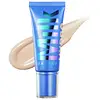
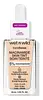
Milk Makeup Hydro Grip 12-Hour Hydrating Gel Skin Tint Versus Wet n Wild Bare Focus Niacinamide Skin Tint

What's inside
What's inside
 Key Ingredients
Benefits
Concerns
Ingredients Side-by-side
Water
Skin ConditioningIsononyl Isononanoate
EmollientPropanediol
Solvent

Isostearyl Neopentanoate
Emollient

Glycerin
Humectant
Octyldodecyl Stearoyl Stearate
Emollient

Polyglyceryl-2 Dipolyhydroxystearate
Skin Conditioning
Saccharomyces/Xylinum/Black Tea Ferment
Skin Conditioning
Hydrogenated Ethylhexyl Olivate
EmollientCoco-Caprylate/Caprate
Emollient
Dicaprylyl Ether
Emollient
Polyglyceryl-6 Polyricinoleate
Emulsifying
Squalane
Emollient
Polyglyceryl-3 Diisostearate
Emulsifying
Dimer Dilinoleyl Dimer Dilinoleate
EmollientPullulan
Niacinamide
Smoothing







Sodium Hyaluronate
Humectant
Cannabis Sativa Seed Oil
Emollient
Agave Tequilana Leaf Extract
AstringentButyrospermum Parkii Butter
Skin Conditioning
Helianthus Annuus Seed Oil
Emollient
Hydrogenated Olive Oil Unsaponifiables
Emollient
Tocopherol
Antioxidant

Pentaerythrityl Tetra-Di-T-Butyl Hydroxyhydrocinnamate
Antioxidant
Lecithin
Emollient
Dipalmitoyl Hydroxyproline
Skin Conditioning
Magnesium Sulfate
Disteardimonium Hectorite
StabilisingPropylene Carbonate
SolventHydrogenated Styrene/Methylstyrene/Indene Copolymer
Lauroyl Lysine
Skin Conditioning
Stearic Acid
Cleansing
Zinc Stearate
Cosmetic ColorantAllantoin
Skin Conditioning
Distarch Phosphate
AbsorbentPalmitic Acid
Emollient
Maltose
MaskingPotassium Sorbate
Preservative
Sodium Dehydroacetate
Preservative
Sodium Benzoate
Masking
Phenoxyethanol
Preservative
CI 77891
Cosmetic ColorantCI 77491
Cosmetic ColorantCI 77492
Cosmetic ColorantCI 77499
Cosmetic ColorantWater, Isononyl Isononanoate, Propanediol, Isostearyl Neopentanoate, Glycerin, Octyldodecyl Stearoyl Stearate, Polyglyceryl-2 Dipolyhydroxystearate, Saccharomyces/Xylinum/Black Tea Ferment, Hydrogenated Ethylhexyl Olivate, Coco-Caprylate/Caprate, Dicaprylyl Ether, Polyglyceryl-6 Polyricinoleate, Squalane, Polyglyceryl-3 Diisostearate, Dimer Dilinoleyl Dimer Dilinoleate, Pullulan, Niacinamide, Sodium Hyaluronate, Cannabis Sativa Seed Oil, Agave Tequilana Leaf Extract, Butyrospermum Parkii Butter, Helianthus Annuus Seed Oil, Hydrogenated Olive Oil Unsaponifiables, Tocopherol, Pentaerythrityl Tetra-Di-T-Butyl Hydroxyhydrocinnamate, Lecithin, Dipalmitoyl Hydroxyproline, Magnesium Sulfate, Disteardimonium Hectorite, Propylene Carbonate, Hydrogenated Styrene/Methylstyrene/Indene Copolymer, Lauroyl Lysine, Stearic Acid, Zinc Stearate, Allantoin, Distarch Phosphate, Palmitic Acid, Maltose, Potassium Sorbate, Sodium Dehydroacetate, Sodium Benzoate, Phenoxyethanol, CI 77891, CI 77491, CI 77492, CI 77499
Water
Skin ConditioningC13-14 Alkane
SolventGlycerin
Humectant
Niacinamide
Smoothing
Hydrogenated Polydecene
EmollientPolyglyceryl-3 Diisostearate
Emulsifying
Propanediol
Solvent
Silica
Abrasive
Vp/Eicosene Copolymer
Calcium Sodium Borosilicate
Lecithin
Emollient
Squalane
Emollient
Phenoxyethanol
Preservative
Pvp
Emulsion StabilisingTocopheryl Acetate
Antioxidant
Quaternium-90 Bentonite
Ethylhexylglycerin
Skin ConditioningAllantoin
Skin Conditioning
Bisabolol
Antioxidant
Propylene Carbonate
SolventTocopherol
Antioxidant
Ribes Nigrum Seed Oil
Emollient
Octyldodecanol
Emollient
Octyldodecyl Oleate
Emollient
Octyldodecyl Stearoyl Stearate
Emollient
Quartz
Abrasive
Alcohol
Antimicrobial


Paeonia Suffruticosa Root Extract
Skin ProtectingButylene Glycol
Humectant
Rosmarinus Officinalis Leaf Extract
AntimicrobialSolidago Virgaurea Extract
Skin ConditioningHydrolyzed Hyaluronic Acid
Humectant
CI 77891
Cosmetic ColorantMica
Cosmetic ColorantIron Oxides
Water, C13-14 Alkane, Glycerin, Niacinamide, Hydrogenated Polydecene, Polyglyceryl-3 Diisostearate, Propanediol, Silica, Vp/Eicosene Copolymer, Calcium Sodium Borosilicate, Lecithin, Squalane, Phenoxyethanol, Pvp, Tocopheryl Acetate, Quaternium-90 Bentonite, Ethylhexylglycerin, Allantoin, Bisabolol, Propylene Carbonate, Tocopherol, Ribes Nigrum Seed Oil, Octyldodecanol, Octyldodecyl Oleate, Octyldodecyl Stearoyl Stearate, Quartz, Alcohol, Paeonia Suffruticosa Root Extract, Butylene Glycol, Rosmarinus Officinalis Leaf Extract, Solidago Virgaurea Extract, Hydrolyzed Hyaluronic Acid, CI 77891, Mica, Iron Oxides
Reviews
Ingredients Explained
These ingredients are found in both products.
Ingredients higher up in an ingredient list are typically present in a larger amount.
Allantoin is a soothing ingredient known for its protective and moisturizing properties; it's basically a quiet workhorse ingredient you can find in a huge range of cosmetics.
Though it can be derived from the comfrey plant, allantoin is produced synthetically for cosmetic products to ensure purity.
Research shows it can encourage your skin cells to turn over and renew by stimulating keratinocyte and fibroblast proliferation.
It also has mild keratolytic properties to help loosen and shed dead skin cells without being harsh.
Studies also suggest allantoin can help calm inflammation by dialing down some of the chemical signals your skin sends out when it is irritated.
This ingredient is typically used in the 0.1-0.5% range, and the FDA recognizes it as a skin protectant in OTC products up to 2%.
Overall, allantoin is a wonderful addition to most routines; it is stable across a wide pH range (~4-8), works well with other ingredients, and is considered non-sensitizing/non-irritating.
Fun fact: Allantoin is naturally occurring in comfrey root, beets, chamomile, and wheat sprouts. Our bodies even produce it as a byproduct of uric acid metabolism.
Learn more about AllantoinCi 77891 is a white pigment from Titanium dioxide. It is naturally found in minerals such as rutile and ilmenite.
It's main function is to add a white color to cosmetics. It can also be mixed with other colors to create different shades.
Ci 77891 is commonly found in sunscreens due to its ability to block UV rays.
Learn more about CI 77891Glycerin (or glycerol) is a compound naturally found in your skin. It's a powerhouse humectant that pulls water into the stratum corneum.
Topically, glycerin does several things at once:
Your skin makes glycerin on its own (mostly from sebaceous oil breakdown) and shuttles it to your outermost layer of skin, or your epidermis, via aquaporin-3.
Aquaporin-3 is a transporter that is essential for normal skin hydration, elasticity, and repair. Interestingly, mice lacking in AQP3 have dry and less elastic skin that can be fully corrected with glycerin.
This ingredient is non-irritating, plays well with almost every ingredient, and works across all skin types. Typical use is anywhere between 3-10% but can go up to 79% in some leave-on products.
Just know very high concentrations (>40%) can feel tacky in low humidity.
Glycerin is the name for this ingredient in American English. British English uses Glycerol/Glycerine.
Learn more about GlycerinLecithin is a term for a group of substances found in the cell membranes of plants, animals, and humans. They are made up of phospholipids.
Thanks to its amphiphilic structure (water-loving head and oil-loving tail), it is a true multitasker:
It plays well with most ingredients and is typically used at 0.1-1%. However, concentrations up to 50% have been reported in moisturizers.
Learn more about LecithinNiacinamide is a multitasking form of vitamin B3 that strengthens the skin barrier, reduces pores and dark spots, regulates oil, and improves signs of aging.
And the best part? It's gentle and well-tolerated by most skin types, including sensitive and reactive skin.
You might have heard of "niacin flush", or the reddening of skin that causes itchiness. Niacinamide has not been found to cause this.
In very rare cases, some individuals may not be able to tolerate niacinamide at all or experience an allergic reaction to it.
If you are experiencing flaking, irritation, and dryness with this ingredient, be sure to double check all your products as this ingredient can be found in all categories of skincare.
When incorporating niacinamide into your routine, look out for concentration amounts. Typically, 5% niacinamide provides benefits such as fading dark spots. However, if you have sensitive skin, it is better to begin with a smaller concentration.
When you apply niacinamide to your skin, your body converts it into nicotinamide adenine dinucleotide (NAD). NAD is an essential coenzyme that is already found in your cells as "fuel" and powers countless biological processes.
In your skin, NAD helps repair cell damage, produce new healthy cells, support collagen production, strengthen the skin barrier, and fight environmental stressors (like UV and pollution).
Our natural NAD levels start to decline with age, leading to slower skin repair, visible aging, and a weaker skin barrier. By providing your skin niacinamide, you're recharging your skin's NAD levels. This leads to stronger, healthier, and younger looking skin.
Another name for vitamin B3 is nicotinamide. This vitamin is water-soluble and our bodies don't store it. We obtain Vitamin B3 from either food or skincare. Meat, fish, wheat, yeast, and leafy greens contain vitamin B3.
The type of niacinamide used in skincare is synthetically created.
Learn more about NiacinamideOctyldodecyl Stearoyl Stearate is an emollient ester that mostly shows up in color cosmetics.
Functionally, it works as a skin-conditioning agent and a viscosity-increasing agent. This just means it helps soften skin while also thickening water-free formulas (like powders).
Despite being a "stearate", it has a lightweight, cushiony, and non-greasy slip.
This ingredient has shown no adverse effects in testing and is deemed safe in cosmetics at current use levels.
Typical concentrations range from 0.7-23%.
Because it is made of C-18 fatty acids (like stearic acid), this ingredient may not be fungal acne safe.
Learn more about Octyldodecyl Stearoyl StearatePhenoxyethanol is one of the most widely used preservatives in skincare (and for good reason!).
It has a large spectrum of antimicrobial activity and especially effective bacteria, yeast, and mold while only having a weak effect on your skin's natural microbiome.
On a cellular level, it disrupts the cell membranes of microbes by poking holes that make the cell leak. This shuts down the chemical reactions the microbe needs to make energy so it can no longer survive.
Another perk of this ingredient is that it stays functional across a wide pH range (3-10).
You'll often see it paired with boosters like Ethylhexylglycerin; one study showed that a 1:9 ratio of Ethylhexylglycerin to Phenoxyethanol damages bacterial membranes as effectively as doubling the Phenoxyethanol concentration on its own.
Typical use concentrations range from 0.3-1% depending on the formula, and this ingredient is capped at 1% int the EU.
Safety-wise, the fear mongering does not hold up to the evidence. The EU's Scientific Committee on Consumer Safety and FDA consider it safe as a preservative at up to 1%, including for children of all ages.
Adverse systemic effects only showed up in animal studies at exposures roughly 200x higher than what people get from cosmetics. And despite its very widespread use, this ingredient is a rare sensitizer and allergic reactions are uncommon.
Learn more about PhenoxyethanolPolyglyceryl-3 Diisostearate is a plant-derived, oil-soluble emulsifier. It keeps water-in-oil emulsions stable to prevent the ingredients from separating.
On the safety front, it's considered non-irritating and well-tolerated (it can even be found in formulations for baby skin).
This ingredient may not be fungal acne safe because research has shown that the Malassezia species can grow in the presence of fatty acid esters with chain lengths above C12 (and this one is C18).
While it does have a comedogenic rating of 4, the comedogenic rating scale was developed from rabbit ear models which has limited clinical relevance to human skin. Studies also show that comedogenic ingredients cannot predict how the overall formula will behave on human skin.
Learn more about Polyglyceryl-3 DiisostearatePropanediol is an all-star ingredient. It softens, hydrates, and smooths the skin.
It’s often used to:
Propanediol is not likely to cause sensitivity and considered safe to use. It is derived from corn or petroleum with a clear color and no scent.
Learn more about PropanediolThis ingredient is a solvent. It helps dissolve active ingredients and alter the texture of products.
Propylene Carbonate is commonly used in makeup and with clay, such as montmorillonite or bentonite.
Studies show this ingredient to be safe for cosmetics. When it is undiluted, it can cause skin irritation. (It is always diluted in skincare and makeup). This ingredient is water-soluble.
Propylene Carbonate is created from propylene glycol and carbonic acid.
Learn more about Propylene CarbonateSqualane is the hydrogenated and shelf-stable form of squalene (a lipid that naturally occurs in human sebum).
It is an emollient and skin conditioning agent that is able to integrate seamlessly into the skin's lipid barrier without clogging pores.
This is due to how structurally similar it is to what your skin already produces.
Though it is mostly an emollient that helps soften and hydrate skin, it also has some humectant and occlusive action. Humectants help the skin retain moisture while occlusives seal it in, making squalane a triple-threat moisturizer.
Research shows it has antioxidant capabilities that help protect against stressors like UV exposure, specifically UVA induced oxidative stress. This study also found that it supports collagen biosynthesis in human dermal fibroblasts.
No clinical study has reported significant adverse effects and irritation reactions are very rare from this ingredient (even at 100% concentration).
Overall, it's a fantastic ingredient for hydration and is suitable for all skin types.
This depends on the source. Squalane can be derived from both plants and animals. Most squalane used in skincare comes from plants.
Please note: the source of squalane is only known if disclosed by the brand. We recommend reaching out to the brand if you have any questions about their squalane.
Read more about squalene with an "e".
Though squalane is often called an oil, it’s technically not one. It is a hydrocarbon, meaning it is only made of carbon and hydrogen. True oils are triglycerides and made of fatty acids and glycerol.
The term “oil-free” isn’t regulated so companies can define it however they want. Some exclude all oils, while others just avoid mineral oil or comedogenic oils.
Squalane has a comedogenic rating of 1 from the original 1972 study that tested raw ingredients under occlusion on rabbit ears. This system is not standardized or peer-reviewed, and using the raw ingredients is very different from how diluted cosmetic formulations are used on human skin.
A comedogenic rating of 1 means it is "unlikely to clog pores" according to the original rating system.
The overall formula of a product matters more than the individual ingredients on whether or not it will cause clogged pores.
Learn more about SqualaneTocopherol is a fat-soluble antioxidant known as Vitamin E.
You'll find this ingredient in the vast majority of skincare (for good reason). It works to neutralize free radicals, or unstable molecules generated by UV exposure, pollution, and other environmental stressors, before they can cause oxidative damage to your skin cells.
Topically applied tocopherol has been shown to protect against UV damage by ramping up the skin's own natural defense enzymes.
It also acts as a skin conditioning agent; some studies show that regular topical use can improve the skin's water-binding capacity over 2-4 weeks.
This ingredient is especially loved for being a team player. When combined with Vitamin C, the photoprotective effect of both ingredients roughly doubles and the combo also helps reduce UV-induced DNA damage.
This ingredient has some brightening potential but it's more of a prevention ingredient than spot-fader. Cell studies show it can slow down melanin production but it's worth noting that it's not the most powerful brightener out there.
In formulations, it also serves as a stabilizer that helps protect other oxidation-prone ingredients from degrading.
Concentrations usually range from 0.1-1% in most leave-on products.
Learn more about TocopherolWater. It's the most common cosmetic ingredient of all. You'll usually see it at the top of ingredient lists, meaning that it makes up the largest part of the product.
So why is it so popular? Water most often acts as a solvent - this means that it helps dissolve other ingredients into the formulation.
You'll also recognize water as that liquid we all need to stay alive. If you see this, drink a glass of water. Remember to stay hydrated!
Learn more about Water

