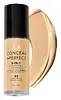
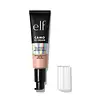
Milani Conceal + Perfect 2-In-1 Foundation And Concealer Versus e.l.f. cosmetics Camo CC Cream SPF 30

What's inside
What's inside
 Key Ingredients
Benefits
Concerns
Ingredients Side-by-side
Water
Skin ConditioningCyclopentasiloxane
Emollient
Isononyl Isononanoate
EmollientCetyl PEG/PPG-10/1 Dimethicone
Emulsifying
Butylene Glycol
Humectant

Glycerin
Humectant
Bis-PEG/PPG-14/14 Dimethicone
Emollient
Vp/Eicosene Copolymer
Ozokerite
Emulsion StabilisingPolymethylsilsesquioxane
Mica
Cosmetic ColorantDisteardimonium Hectorite
StabilisingPropylene Carbonate
SolventPhenoxyethanol
Preservative
Sodium Chloride
MaskingAluminum Dimyristate
Emulsion StabilisingDisodium Stearoyl Glutamate
CleansingTriethoxycaprylylsilane
Silica
Abrasive


Bis-Vinyl Dimethicone/Dimethicone Copolymer
Emulsion Stabilising
Isododecane
EmollientCaprylyl Glycol
Emollient
1,2-Hexanediol
Skin Conditioning
C30-45 Alkyl Cetearyl Dimethicone Crosspolymer
Emollient
Glycereth-18
HumectantGlycereth-18 Ethylhexanoate
Skin ConditioningBeeswax
Emulsion Stabilising


Potassium Sorbate
Preservative
Xanthan Gum
EmulsifyingPrunus Domestica Fruit Extract
MoisturisingC18-21 Alkane
SolventPolyisobutene
Allantoin
Skin Conditioning

Iron Oxides
CI 77891
Cosmetic ColorantWater, Cyclopentasiloxane, Isononyl Isononanoate, Cetyl PEG/PPG-10/1 Dimethicone, Butylene Glycol, Glycerin, Bis-PEG/PPG-14/14 Dimethicone, Vp/Eicosene Copolymer, Ozokerite, Polymethylsilsesquioxane, Mica, Disteardimonium Hectorite, Propylene Carbonate, Phenoxyethanol, Sodium Chloride, Aluminum Dimyristate, Disodium Stearoyl Glutamate, Triethoxycaprylylsilane, Silica, Bis-Vinyl Dimethicone/Dimethicone Copolymer, Isododecane, Caprylyl Glycol, 1,2-Hexanediol, C30-45 Alkyl Cetearyl Dimethicone Crosspolymer, Glycereth-18, Glycereth-18 Ethylhexanoate, Beeswax, Potassium Sorbate, Xanthan Gum, Prunus Domestica Fruit Extract, C18-21 Alkane, Polyisobutene, Allantoin, Iron Oxides, CI 77891
Ethylhexyl Methoxycinnamate 7.5%
UV Absorber


Titanium Dioxide 4.45%
Cosmetic Colorant
Zinc Oxide 13.72%
Cosmetic Colorant
Water
Skin ConditioningDimethicone
Emollient
Cyclopentasiloxane
Emollient
Butylene Glycol
Humectant
Phenyl Trimethicone
Skin Conditioning
Cetyl PEG/PPG-10/1 Dimethicone
Emulsifying
Butylene Glycol Dicaprylate/Dicaprate
EmollientButyloctyl Salicylate
Skin Conditioning
Polyglyceryl-4 Isostearate
Emulsifying
Methyl Methacrylate Crosspolymer
Cyclohexasiloxane
Emollient
Acrylates/Polytrimethylsiloxymethacrylate Copolymer
Skin ConditioningHexyl Laurate
Emollient
Magnesium Sulfate
Phenoxyethanol
Preservative
Triethoxycaprylylsilane
Disteardimonium Hectorite
StabilisingHydrated Silica
Abrasive
Aluminum Hydroxide
EmollientPropylene Carbonate
SolventDimethicone/Methicone Copolymer
Caprylyl Glycol
Emollient
Ethylhexylglycerin
Skin ConditioningDisodium EDTA
Tocopheryl Acetate
Antioxidant


Sodium Hyaluronate
Humectant

Niacinamide
Smoothing



Panthenol
Skin Conditioning
Ascorbyl Palmitate
Antioxidant
Soluble Collagen
Humectant
Canola Oil
Emollient
Glycerin
Humectant
Daucus Carota Sativa Seed Oil
Emollient
Carbomer
Emulsion StabilisingDaucus Carota Sativa Root Extract
Skin Conditioning
Helianthus Annuus Seed Oil
Emollient
Beta-Carotene
Skin ConditioningPolysorbate 20
Emulsifying
Palmitoyl Tripeptide-1
Skin Conditioning
Palmitoyl Tetrapeptide-7
Skin Conditioning
1,2-Hexanediol
Skin Conditioning
CI 77891
Cosmetic ColorantCI 77492
Cosmetic ColorantCI 77491
Cosmetic ColorantCI 77499
Cosmetic ColorantEthylhexyl Methoxycinnamate 7.5%, Titanium Dioxide 4.45%, Zinc Oxide 13.72%, Water, Dimethicone, Cyclopentasiloxane, Butylene Glycol, Phenyl Trimethicone, Cetyl PEG/PPG-10/1 Dimethicone, Butylene Glycol Dicaprylate/Dicaprate, Butyloctyl Salicylate, Polyglyceryl-4 Isostearate, Methyl Methacrylate Crosspolymer, Cyclohexasiloxane, Acrylates/Polytrimethylsiloxymethacrylate Copolymer, Hexyl Laurate, Magnesium Sulfate, Phenoxyethanol, Triethoxycaprylylsilane, Disteardimonium Hectorite, Hydrated Silica, Aluminum Hydroxide, Propylene Carbonate, Dimethicone/Methicone Copolymer, Caprylyl Glycol, Ethylhexylglycerin, Disodium EDTA, Tocopheryl Acetate, Sodium Hyaluronate, Niacinamide, Panthenol, Ascorbyl Palmitate, Soluble Collagen, Canola Oil, Glycerin, Daucus Carota Sativa Seed Oil, Carbomer, Daucus Carota Sativa Root Extract, Helianthus Annuus Seed Oil, Beta-Carotene, Polysorbate 20, Palmitoyl Tripeptide-1, Palmitoyl Tetrapeptide-7, 1,2-Hexanediol, CI 77891, CI 77492, CI 77491, CI 77499
Reviews
Ingredients Explained
These ingredients are found in both products.
Ingredients higher up in an ingredient list are typically present in a larger amount.
1,2-Hexanediol is a synthetic liquid and another multi-functional powerhouse.
It is a:
- Humectant, drawing moisture into the skin
- Emollient, helping to soften skin
- Solvent, dispersing and stabilizing formulas
- Preservative booster, enhancing the antimicrobial activity of other preservatives
Butylene Glycol (or BG) is used within cosmetic products for a few different reasons:
Overall, Butylene Glycol is a safe and well-rounded ingredient that works well with other ingredients.
Though this ingredient works well with most skin types, some people with sensitive skin may experience a reaction such as allergic rashes, closed comedones, or itchiness.
Learn more about Butylene GlycolCaprylyl Glycol is a humectant, skin conditioner, emollient, and preservative booster derived from either caprylic acid or synthetically created.
Typical use levels vary from 0.3-1% as a preservative booster and go up to 2% to condition skin.
Because it is not a free-fatty acid or alcohol, this ingredient is fungal acne safe (there's nothing for Malassezia to feed on).
Learn more about Caprylyl GlycolThis ingredient is a silicone-based emulsifer that helps the water and oil phases play nicely together. It's so effective because one end of the molecule loves oil and the other one loves water.
Besides holding formulas together, it also leaves a silky and lightweight feel on skin without the greasiness. A manufacturer also claims it can help with the controlled release of active ingredients.
The CIR Expert Panel found this ingredient to not be sensitizing in concentrations up to 15% in human maximazation testing and dimethicone-based compounds were not comedogenic.
It has a high molecular weight well above 1,000 g/mol which means it limits meaningful skin penetration.
A 2019 study specifically tested this ingredient and found no observable Malassezia growth in its presence.
Learn more about Cetyl PEG/PPG-10/1 DimethiconeCi 77891 is a white pigment from Titanium dioxide. It is naturally found in minerals such as rutile and ilmenite.
It's main function is to add a white color to cosmetics. It can also be mixed with other colors to create different shades.
Ci 77891 is commonly found in sunscreens due to its ability to block UV rays.
Learn more about CI 77891Cyclopentasiloxane, or D5, is a silicone used to improve texture of products and trap moisture.
D5 is considered lightweight and volatile. Volatile means it evaporates quickly after application. Once evaporated, D5 leaves a thin barrier that helps keep skin hydrated.
It is also an emollient. Emollients help soften the skin and prevent water loss. Silicones create a silky texture in products. D5 helps other ingredients become more spreadable.
Studies show D5 is safe to use in skincare products. We recommend speaking with a skincare professional if you have concerns.
Learn more about CyclopentasiloxaneDisteardimonium Hectorite comes from the clay mineral named hectorite. It is used to add thickness to a product.
It can also help stabilize a product by helping to disperse other ingredients.
Hectorite is a rare, white clay mineral.
Learn more about Disteardimonium HectoriteGlycerin (or glycerol) is a compound naturally found in your skin. It's a powerhouse humectant that pulls water into the stratum corneum.
Topically, glycerin does several things at once:
Your skin makes glycerin on its own (mostly from sebaceous oil breakdown) and shuttles it to your outermost layer of skin, or your epidermis, via aquaporin-3.
Aquaporin-3 is a transporter that is essential for normal skin hydration, elasticity, and repair. Interestingly, mice lacking in AQP3 have dry and less elastic skin that can be fully corrected with glycerin.
This ingredient is non-irritating, plays well with almost every ingredient, and works across all skin types. Typical use is anywhere between 3-10% but can go up to 79% in some leave-on products.
Just know very high concentrations (>40%) can feel tacky in low humidity.
Glycerin is the name for this ingredient in American English. British English uses Glycerol/Glycerine.
Learn more about GlycerinPhenoxyethanol is a preservative that has germicide, antimicrobial, and aromatic properties. Studies show that phenoxyethanol can prevent microbial growth. By itself, it has a scent that is similar to that of a rose.
It's often used in formulations along with Caprylyl Glycol to preserve the shelf life of products.
This ingredient is a solvent. It helps dissolve active ingredients and alter the texture of products.
Propylene Carbonate is commonly used in makeup and with clay, such as montmorillonite or bentonite.
Studies show this ingredient to be safe for cosmetics. When it is undiluted, it can cause skin irritation. (It is always diluted in skincare and makeup). This ingredient is water-soluble.
Propylene Carbonate is created from propylene glycol and carbonic acid.
Learn more about Propylene CarbonateTriethoxycaprylylsilane is a silicon-based surface modifier that makes sunscreens feel silky and makeup stay put.
Its main job is to coat mineral particles like titanium dioxide, zinc oxide, and color pigments in a thin, oily layer so they spread smoothly, don't clump, and stick to skin better.
This ingredient is typically used at low levels (up to 2.5% in eyeshadow and 1% in lipstick).
Learn more about TriethoxycaprylylsilaneWater. It's the most common cosmetic ingredient of all. You'll usually see it at the top of ingredient lists, meaning that it makes up the largest part of the product.
So why is it so popular? Water most often acts as a solvent - this means that it helps dissolve other ingredients into the formulation.
You'll also recognize water as that liquid we all need to stay alive. If you see this, drink a glass of water. Remember to stay hydrated!
Learn more about Water
