
What's inside
What's inside
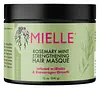 Key Ingredients
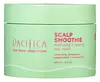
Benefits
Concerns
Ingredients Side-by-side
Water
Skin ConditioningBehentrimonium Methosulfate
SurfactantCetearyl Alcohol
Emollient






Aloe Barbadensis Leaf Juice
Skin Conditioning


Prunus Amygdalus Dulcis Oil
Skin Conditioning
Helianthus Annuus Seed Oil
Emollient
Olea Europaea Fruit Oil
Masking
Copernicia Cerifera Wax
Polysorbate 20
Emulsifying
Macadamia Integrifolia Seed Oil
Skin Conditioning
Glyceryl Stearate
Emollient
Butyrospermum Parkii Butter
Skin Conditioning
Tocopheryl Acetate
Antioxidant


Orbignya Oleifera Seed Oil
Emollient
Zingiber Officinale Root Oil
Masking

Cocos Nucifera Oil
Masking
Panthenol
Skin Conditioning
Phytantriol
HumectantMentha Piperita Oil
Masking

Rosmarinus Officinalis Leaf Oil
Masking
Simmondsia Chinensis Seed Oil
Emollient
Ricinus Communis Seed Oil
Masking
Equisetum Arvense Extract
AstringentLawsonia Inermis Extract
Antimicrobial
Rosmarinus Officinalis Extract
AntimicrobialAnthemis Nobilis Flower Extract
Masking
Symphytum Officinale Callus Culture Extract
Skin ConditioningHumulus Lupulus Extract
AntimicrobialUrtica Dioica Extract
AstringentHoney
Humectant
Biotin
AntiseborrhoeicCetrimonium Chloride
Antimicrobial
Sesamum Indicum Seed Oil
Emollient
Phenoxyethanol
Preservative
Benzoic Acid
Masking
Ethylhexylglycerin
Skin ConditioningGlycereth-2 Cocoate
Emulsifying
Water, Behentrimonium Methosulfate, Cetearyl Alcohol, Aloe Barbadensis Leaf Juice, Prunus Amygdalus Dulcis Oil, Helianthus Annuus Seed Oil, Olea Europaea Fruit Oil, Copernicia Cerifera Wax, Polysorbate 20, Macadamia Integrifolia Seed Oil, Glyceryl Stearate, Butyrospermum Parkii Butter, Tocopheryl Acetate, Orbignya Oleifera Seed Oil, Zingiber Officinale Root Oil, Cocos Nucifera Oil, Panthenol, Phytantriol, Mentha Piperita Oil, Rosmarinus Officinalis Leaf Oil, Simmondsia Chinensis Seed Oil, Ricinus Communis Seed Oil, Equisetum Arvense Extract, Lawsonia Inermis Extract, Rosmarinus Officinalis Extract, Anthemis Nobilis Flower Extract, Symphytum Officinale Callus Culture Extract, Humulus Lupulus Extract, Urtica Dioica Extract, Honey, Biotin, Cetrimonium Chloride, Sesamum Indicum Seed Oil, Phenoxyethanol, Benzoic Acid, Ethylhexylglycerin, Glycereth-2 Cocoate
Water
Skin ConditioningCetyl Alcohol
Emollient
Stearyl Alcohol
Emollient
Aloe Barbadensis Leaf Juice
Skin Conditioning
Cetrimonium Chloride
Antimicrobial
Coconut Alkanes
Emollient
Coco-Caprylate/Caprate
Emollient
Stearamidopropyl Dimethylamine
EmulsifyingBehentrimonium Chloride
Preservative
Panthenol
Skin Conditioning
Saccharomyces/Xylinum/Black Tea Ferment
Skin Conditioning
Titanium Dioxide
Cosmetic Colorant

Mica
Cosmetic ColorantCitric Acid
Buffering
Potassium Sorbate
Preservative
Sodium Benzoate
Masking
Ethylhexylglycerin
Skin ConditioningArgania Spinosa Kernel Oil
Emollient

Simmondsia Chinensis Seed Oil
Emollient
Cocos Nucifera Oil
Masking
Chlorophyllin-Copper Complex
Antioxidant
Spirulina Amino Acids
Skin ConditioningMentha Piperita Oil
Masking
Rosmarinus Officinalis Leaf Oil
Masking
Salvia Officinalis Oil
Masking
Thymus Vulgaris Flower/Leaf Oil
Masking
Parfum
Masking
Water, Cetyl Alcohol, Stearyl Alcohol, Aloe Barbadensis Leaf Juice, Cetrimonium Chloride, Coconut Alkanes, Coco-Caprylate/Caprate, Stearamidopropyl Dimethylamine, Behentrimonium Chloride, Panthenol, Saccharomyces/Xylinum/Black Tea Ferment, Titanium Dioxide, Mica, Citric Acid, Potassium Sorbate, Sodium Benzoate, Ethylhexylglycerin, Argania Spinosa Kernel Oil, Simmondsia Chinensis Seed Oil, Cocos Nucifera Oil, Chlorophyllin-Copper Complex, Spirulina Amino Acids, Mentha Piperita Oil, Rosmarinus Officinalis Leaf Oil, Salvia Officinalis Oil, Thymus Vulgaris Flower/Leaf Oil, Parfum
Ingredients Explained
These ingredients are found in both products.
Ingredients higher up in an ingredient list are typically present in a larger amount.
Aloe Barbadensis Leaf Juice is the filtered, stabilized liquid pressed from the inner gel of the aloe vera leaf.
In cosmetics, it shows up as either soothing active or a water-replacement base. It is roughly 98-99% water and the last 1-2% is an interesting mix of polysaccharides, amino acids, vitamins, minerals, and enzymes.
The polysaccharides do most of the work: they bind water at the skin surface for a light, non-greasy hydration boost. And one of the polysaccharides, glycomannan, is linked to fibroblast stimulation + collagen synthesis. This is also why aloe has such a long track record in wound and burn healing.
This ingredient is also calming with anti-inflammatory and mild antimicrobial activity, making it a great pick for sensitive, irritated, or post-sun skin.
Realistic expectations matter though; the solid evidence is mostly limited to hydration, soothing, and wound support. Deeper claims about anti-aging or sun protection are not well backed, and science reviews note it does not prevent radiation-induced skin injury.
Because it plays well with almost everything, it's commonly used as a base alongside other actives like niacinamide or vitamin C.
Typical usage concentrations range from 0.5% (where hydration benefits already show up) all the way to 90%+ (where it replaces water as the main base).
The safety for this ingredient is well-establish as well. Overall, this is a great supporting ingredient for those who want a boost in hydration.
Learn more about Aloe Barbadensis Leaf JuiceThis ingredient is a preservative, antimicrobial, and emulsifier. It is often used in cosmetics for its ability to cleanse, condition, and reduce static.
Cetrimonium chloride is a quaternary ammonium salt, meaning it has a water-soluble structure.
This ingredient is also known as coconut oil. It is a plant-derived ingredient with skin conditioning properties.
The fatty acid profile of coconut oil is mostly lauric acid (~54%), followed by capric, caprylic, palmitic, and myristic acids. This profile allows it to penetrate easily into skin, moisturize, and improve dry skin.
A double-blind study confirmed that extra virgin coconut oil is as effective as mineral oil for treating very dry skin. Another study found it outperformed mineral oil for mild to moderate atopic dermatitis in children.
Another study from 2018 found that virgin coconut oil can soothe inflammation and boost key skin barrier proteins. Just know this evidence is still only from lab settings and not human trials.
It has also been shown to reduce Staphylococcus aureus, a bacteria that commonly overgrows in people with eczema.
Clinical testing shows very minimal skin irritation and no evidence of sensitization or phototoxicity.
Coconut oil gets flagged as a "fragrance" because it has a natural mild scent (not because it's a synthetic perfume). The European Cosmetic ingredient database also lists "perfuming" as a function of this ingredient.
Just so you know, the term "fragrance" is completely unregulated. Some brands still use botanical extracts or essential oils in their "fragrance-free" formulas, but regulatory databases technically classify these under "fragrance".
Coconut oil has a tiny and useless bit of natural SPF. Early lab studies clocked it around SPF 7-8 but a more recent study found the real number closer to SPF 1.2. It also offers no meaningful UVA protection (SPF only overs UVB rays).
The comedogenic rating of 4/5 means it has a high potential to clog pores; but it's worth noting that comedogenicity is highly individual and ratings cannot predict how an overall formula will behave on skin.
Since lauric acid is the dominant fatty acid, this ingredient may not be fungal acne safe. The Malassezia yeast feeds on fatty acids with carbon chain lengths between 11-24, and lauric acid falls within these lengths (C12).
Learn more about Cocos Nucifera OilEthylhexylglycerin is created from glycerin. It is a multitasker ingredient that:
The CIR Expert Panel found minimal skin absorption or sensitization of any kind in a safety assessment. Though this ingredient is considered well-tolerated, a small number of cases of allergic dermatitis have been published since 2002. Just be sure to patch test if you are unsure.
Industry-reported use ranges from 8% in rinse-off products and 2% in leave-on formulations.
Learn more about EthylhexylglycerinThis essential oil is steam-distilled from peppermint leaves, also known as peppermint oil. It's mainly used for scent in skincare but also provides that signature "cooling" sensation.
Peppermint oil is a "feels amazing" ingredient until it doesn't.
At higher doses or for those with sensitive skin, methol-type cooling can quickly turn into burning/irritation. It can also trigger irritant dermatitis or even allergic contact dermatitis. In a large patch-test dataset, peppermint oil had a low but positive rate for this.
In cosmetics, Cosmetic Safety Reviews (CIR) concludes that peppermint oil is safe to use when formulated to be non-sensitizing with some restrictions; for instance, pulegone, a naturally occurring component of peppermint oil, should not exceed 1%.
Since peppermint oil contains fragrance allergens such as limonene, linalool, and menthol, it can be sensitizing for those with rosacea, eczema, a broken skin barrier, or just sensitive skin in general.
In Japan, this ingredient is known as Hakka Yu.
Learn more about Mentha Piperita OilPanthenol is a common ingredient that helps hydrate and soothe the skin. It is found naturally in our skin and hair.
There are two forms of panthenol: D and L.
D-panthenol is also known as dexpanthenol. Most cosmetics use dexpanthenol or a mixture of D and L-panthenol.
Panthenol is famous due to its ability to go deeper into the skin's layers. Using this ingredient has numerous pros (and no cons):
Like hyaluronic acid, panthenol is a humectant. Humectants are able to bind and hold large amounts of water to keep skin hydrated.
This ingredient works well for wound healing. It works by increasing tissue in the wound and helps close open wounds.
Once oxidized, panthenol converts to pantothenic acid. Panthothenic acid is found in all living cells.
This ingredient is also referred to as pro-vitamin B5.
Learn more about PanthenolRosmarinus Officinalis Leaf Oil is an essential oil also known as rosemary essential oil. In skincare, it is a skin conditioning agent and also acts as a natural fragrance that gives products a fresh/herby smell.
The oil is a mix of over 100 volatile compounds with 1,8-cineole, α-pinene, camphor, and verbenone usually leading the pack.
Lab studies credit this oil with antioxidant, anti-inflammatory, and antimicrobial activity. Some research even show rosemary compounds calming acne-related inflammation.
The Cosmetic Ingredient Review (CIR) has concluded rosemary-derived ingredients to be safe when formulated to be nonsensitizing.
Since this is a fragrant essential oil, the main concern is for fragrance-sensitive folks.
Learn more about Rosmarinus Officinalis Leaf OilJojoba oil is one of the most well-studied plant-derived ingredients in cosmetics. It is an emollient with a special structure.
Because it is made up of 97-98% wax esters, it closely mirrors the linear monoesters found in human sebum. This makes it skin compatible, non-greasy, and lightweight.
Unlike other plant oils, jojoba wax doesn't easily penetrate skin. It mostly works in the uppermost layers as an emollient. This just means it forms a light barrier on the skin to help retain moisture.
Formulations with jojoba esters up to 90% reduced transepidermal water loss (TEWL) and increased barrier recovery by 81% (outperforming bisabolol at 47%).
Besides barrier support, the science also suggests jojoba to have anti-inflammatory effects and potential applications for skin infections, aging, and wound healing.
Fun fact: Indigenous cultures have used jojoba as a moisturizer and to help treat burns for centuries.
Fungal acne: The Malassezia yeast is known to metabolize fatty acids in the C11-24 range and jojoba's dominant fatty acid components fall into this range. This ingredient may not be fungal acne safe.
Learn more about Simmondsia Chinensis Seed OilWater. It's the most common cosmetic ingredient of all. You'll usually see it at the top of ingredient lists, meaning that it makes up the largest part of the product.
So why is it so popular? Water most often acts as a solvent - this means that it helps dissolve other ingredients into the formulation.
You'll also recognize water as that liquid we all need to stay alive. If you see this, drink a glass of water. Remember to stay hydrated!
Learn more about Water

