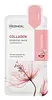
This hydrating sheet mask is formulated around Panthenol and Sodium DNA to hydrate skin and strengthen the skin barrier.
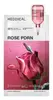
This anti-aging sheet mask is formulated around Adenosine to soften the look of wrinkles.

What's inside
What's inside
 Key Ingredients
Benefits
Concerns
Ingredients Side-by-side
Water
Skin ConditioningGlycerin
Humectant


Propanediol
Solvent
Butylene Glycol
Humectant
Glycereth-26
Humectant
1,2-Hexanediol
Skin Conditioning
Rosa Damascena Flower Extract
Masking
Xanthan Gum
EmulsifyingCarbomer
Emulsion StabilisingPanthenol
Skin Conditioning

Arginine
Masking
Hydroxyacetophenone
Antioxidant
Canola Oil
Emollient





Polyglyceryl-10 Laurate
Skin Conditioning
Adenosine
Skin Conditioning
Helianthus Annuus Seed Oil
Emollient
Limnanthes Alba Seed Oil
Skin Conditioning
Dipropylene Glycol
HumectantPolyglyceryl-4 Laurate
Emulsifying
Polyglyceryl-10 Stearate
Skin Conditioning
Disodium EDTA
ChelatingHydroxyethylcellulose
Emulsion StabilisingArgania Spinosa Kernel Oil
Emollient

Rosa Damascena Flower Water
Masking
Gardenia Florida Flower Extract
Skin ConditioningLactobacillus Ferment
Skin Conditioning
Ribes Nigrum Leaf Extract
Perfuming
Rubus Suavissimus Leaf Extract
Skin ConditioningSea Water
HumectantHedera Helix Leaf/Stem Extract
AntimicrobialPelargonium Graveolens Flower Oil
Masking

Squalane
Emollient
Castanea Crenata Shell Extract
Skin ConditioningFicus Carica Fruit Extract
Humectant
Glycine Max Seed Extract
Skin ConditioningHamamelis Virginiana Leaf Water
Astringent
Chenopodium Quinoa Seed Extract
Skin Conditioning
Cyperus Rotundus Root Extract
Skin ConditioningHydrogenated Lecithin
Emulsifying
Bambusa Vulgaris Leaf Extract
Skin ConditioningLinum Usitatissimum Seed Extract
Perfuming
Ethylhexylglycerin
Skin ConditioningSodium DNA
Skin Conditioning
Gluconolactone
Chelating




Ceramide NP
Skin Conditioning
Water, Glycerin, Propanediol, Butylene Glycol, Glycereth-26, 1,2-Hexanediol, Rosa Damascena Flower Extract, Xanthan Gum, Carbomer, Panthenol, Arginine, Hydroxyacetophenone, Canola Oil, Polyglyceryl-10 Laurate, Adenosine, Helianthus Annuus Seed Oil, Limnanthes Alba Seed Oil, Dipropylene Glycol, Polyglyceryl-4 Laurate, Polyglyceryl-10 Stearate, Disodium EDTA, Hydroxyethylcellulose, Argania Spinosa Kernel Oil, Rosa Damascena Flower Water, Gardenia Florida Flower Extract, Lactobacillus Ferment, Ribes Nigrum Leaf Extract, Rubus Suavissimus Leaf Extract, Sea Water, Hedera Helix Leaf/Stem Extract, Pelargonium Graveolens Flower Oil, Squalane, Castanea Crenata Shell Extract, Ficus Carica Fruit Extract, Glycine Max Seed Extract, Hamamelis Virginiana Leaf Water, Chenopodium Quinoa Seed Extract, Cyperus Rotundus Root Extract, Hydrogenated Lecithin, Bambusa Vulgaris Leaf Extract, Linum Usitatissimum Seed Extract, Ethylhexylglycerin, Sodium DNA, Gluconolactone, Ceramide NP
Water
Skin ConditioningGlycerin
Humectant
Methylpropanediol
SolventPropanediol
Solvent
1,2-Hexanediol
Skin Conditioning
Hydroxyacetophenone
Antioxidant
Hydrolyzed Extensin
Skin ConditioningPanthenol
Skin Conditioning
Betaine
Humectant
Trehalose
Humectant
Adenosine
Skin Conditioning
Disodium EDTA
ChelatingCarbomer
Emulsion StabilisingArginine
Masking
Octyldodeceth-16
EmulsifyingXanthan Gum
EmulsifyingSodium Hyaluronate
Humectant
Sodium Polyacrylate
Absorbent
Glycine
Buffering
Glutamic Acid
Humectant
Aspartic Acid
Masking
Tremella Fuciformis Polysaccharide
Emulsion Stabilising
Sodium Chloride
MaskingSoluble Collagen
Humectant
Serine
Masking
Histidine
Humectant
Alanine
Masking
Threonine
Proline
Skin Conditioning
Acrylates/C10-30 Alkyl Acrylate Crosspolymer
Emulsion StabilisingHibiscus Rosa-Sinensis Flower Extract
HumectantChlorella Ferment
Skin Conditioning
Magnesium Chloride
Calcium Chloride
AstringentMannose
HumectantGlucose
Humectant
Parfum
Masking
Water, Glycerin, Methylpropanediol, Propanediol, 1,2-Hexanediol, Hydroxyacetophenone, Hydrolyzed Extensin, Panthenol, Betaine, Trehalose, Adenosine, Disodium EDTA, Carbomer, Arginine, Octyldodeceth-16, Xanthan Gum, Sodium Hyaluronate, Sodium Polyacrylate, Glycine, Glutamic Acid, Aspartic Acid, Tremella Fuciformis Polysaccharide, Sodium Chloride, Soluble Collagen, Serine, Histidine, Alanine, Threonine, Proline, Acrylates/C10-30 Alkyl Acrylate Crosspolymer, Hibiscus Rosa-Sinensis Flower Extract, Chlorella Ferment, Magnesium Chloride, Calcium Chloride, Mannose, Glucose, Parfum
Reviews
Ingredients Explained
These ingredients are found in both products.
Ingredients higher up in an ingredient list are typically present in a larger amount.
1,2-Hexanediol is a synthetic liquid and another multi-functional powerhouse.
It is a:
- Humectant, drawing moisture into the skin
- Emollient, helping to soften skin
- Solvent, dispersing and stabilizing formulas
- Preservative booster, enhancing the antimicrobial activity of other preservatives
Adenosine is a purine nucleoside that your body already makes in every cell. In skincare, it acts mainly as a skin conditioning and anti-aging agent.
The way it works is fairly well mapped out:
Your skin has cells called fibroblasts that build collagen (the stuff that keeps skin firm and smooth). Adenosine basically flips a switch on these cells that tells them to get to work making more collagen and other proteins. These cells slow down on their own as skin ages, so Adenosine helps give them a little nudge to keep going.
The clinical backing is pretty solid too.
A blind, randomized, placebo-controlled trial of 126 women aged 45-65 tested a 0.1% cream twice daily and found real improvements in crow's feet and frown lines using a precise 3D skin-mapping technique; these changes showed up by week 3 and held at 2 months.
A later study using Adenosine-loaded dissolving microneedle patches reported gains in wrinkle depth, dermal density, elasticity, and hydration.
On concentrations, South Korea's Ministry of Food and Drug Safety has set 0.04% as the approved functional anti-wrinkle level. You'll typically see this ingredient used somewhere in the 0.04-0.1% range since it works at low doses.
This ingredient has been found safe for cosmetics with the data showing no irritation or sensitization.
Overall, this is a great ingredient for any anti-aging routine and has no photosensitizing effect, so it suits both AM and PM use.
Learn more about AdenosineArginine is a semi-essential amino acid. This just means our bodies can product a bit on its own, but sometimes needs a little boost from food sources.
It is a part of your skin's natural moisturizing factor (NMF), or the water-loving molecules in your outermost layer of skin (stratum corneum) that keeps everything hydrated and happy.
Here's an interesting thing about Arginine: your skin converts it into urea through the Krebs-Henseleit urea cycle. Urea is one of the most effective humectants your skin naturally produces.
A clinical study showed applying 2.5% arginine hydrochloride to atopic dermatitis skin showed significant urea levels in the stratum corneum and improved moisture in just four weeks.
Arginine is also a precursor to nitric oxide; nitric oxide improves microcirculation and supports wound healing and collagen synthesis.
One study found that an amino acid complex containing Arginine reduced skin irritation, improved hydration, and accelerated skin repair in clinical / in-vivo studies.
Arginine itself is an amino acid and not a fatty acid, oil, or ester. On its own, it's not a direct food source for Malassezia, or the yeast that causes fungal acne.
Learn more about ArginineCarbomer is a synthetic thickening and gelling agent. It's basically the ingredient that gives a lot of serums, gels, creams, and sunscreens their smooth, non-sticky texture.
Although legally permitted at very high levels, carbomers are normally used at concentrations below 1%.
It also needs to be neutralized to actually thicken, and because it is a large molecule, it doesn't really penetrate the skin barrier.
Allergy-wise, the risk is very low. Clinical studies show carbomers have low potential for skin irritation/sensitization even at concentrations up to 100%.
A 2024 UK study patch-tested 1,302 patients and found true allergy to the parent group of carbomer to be rare with no confirmed relevant reactions.
Learn more about CarbomerDisodium EDTA is a chelating agent. It grabs onto and deactivates metal ions that sneak into your products from water, packaging, or air.
This ingredient mainly works behind the scenes and helps with:
On top of that, this ingredient can counteract the effects of hard water by binding to the minerals in it.
One thing worth knowing is that Disodium EDTA has been shown to be a mild penetration enhancer. It can help other ingredients absorb into skin more effectively which can be a double-edged sword (great for actives, but can also make the active too strong if you have sensitive skin).
Clinical patch testing showed no significant skin irritation at typical use concentrations and minimal dermal absorption.
You'll most likely see this ingredient near the end of an ingredient list. It's typically found in concentrations less than 1%.
Learn more about Disodium EDTAGlycerin (or glycerol) is a compound naturally found in your skin. It's a powerhouse humectant that pulls water into the stratum corneum.
Topically, glycerin does several things at once:
Your skin makes glycerin on its own (mostly from sebaceous oil breakdown) and shuttles it to your outermost layer of skin, or your epidermis, via aquaporin-3.
Aquaporin-3 is a transporter that is essential for normal skin hydration, elasticity, and repair. Interestingly, mice lacking in AQP3 have dry and less elastic skin that can be fully corrected with glycerin.
This ingredient is non-irritating, plays well with almost every ingredient, and works across all skin types. Typical use is anywhere between 3-10% but can go up to 79% in some leave-on products.
Just know very high concentrations (>40%) can feel tacky in low humidity.
Glycerin is the name for this ingredient in American English. British English uses Glycerol/Glycerine.
Learn more about GlycerinHydroxyacetophenone is a small phenolic molecule that earns its place in a formulas as an antioxidant and preservative booster.
As a phenol, it is able to neutralize free radicals to protect both the product and the skin from oxidative stress.
Though it can't kill microbes on its own, it works as a good supporting agent when combined with other preservatives like Phenoxyethanol or 1,2-Hexanediol.
This ingredient naturally occurs as piceol in Norwegian spruce needles (~0.4-1.1% dry weight and in cloudberries). Though the cosmetic-grade material is synthesized for purity and consistency.
You'll usually see it used at low levels and suppliers recommend up to 1% added to a water phase.
Safety testing was done at concentrations like 0.05% in SPF products and 0.5% in a Human Repeated Insult Patch Test. The safety evidence is assuring; this ingredient is safe for cosmetics in current use and also holds safety status as a food flavoring as well.
An honest caveat: the "soothing" and "anti-inflammatory" claims come mostly from supplier marketing rather than published clinical trials. The Cosmetic Ingredient Review's own literature search found no useful efficacy studies on this ingredient.
So the antioxidant and preservative-boosting roles are the well supported ones while the calming benefit is plausible but thinly evidenced.
Overall, this is a well-tolerated, low-irritation multitasker that quietly helps a formula stay fresh and stable.
Learn more about HydroxyacetophenonePanthenol is a common ingredient that helps hydrate and soothe the skin. It is found naturally in our skin and hair.
There are two forms of panthenol: D and L.
D-panthenol is also known as dexpanthenol. Most cosmetics use dexpanthenol or a mixture of D and L-panthenol.
Panthenol is famous due to its ability to go deeper into the skin's layers. Using this ingredient has numerous pros (and no cons):
Like hyaluronic acid, panthenol is a humectant. Humectants are able to bind and hold large amounts of water to keep skin hydrated.
This ingredient works well for wound healing. It works by increasing tissue in the wound and helps close open wounds.
Once oxidized, panthenol converts to pantothenic acid. Panthothenic acid is found in all living cells.
This ingredient is also referred to as pro-vitamin B5.
Learn more about PanthenolPropanediol is an all-star ingredient. It softens, hydrates, and smooths the skin.
It’s often used to:
Propanediol is not likely to cause sensitivity and considered safe to use. It is derived from corn or petroleum with a clear color and no scent.
Learn more about PropanediolWater. It's the most common cosmetic ingredient of all. You'll usually see it at the top of ingredient lists, meaning that it makes up the largest part of the product.
So why is it so popular? Water most often acts as a solvent - this means that it helps dissolve other ingredients into the formulation.
You'll also recognize water as that liquid we all need to stay alive. If you see this, drink a glass of water. Remember to stay hydrated!
Learn more about WaterXanthan gum is used as a stabilizer and thickener within cosmetic products. It helps give products a sticky, thick feeling - preventing them from being too runny.
On the technical side of things, xanthan gum is a polysaccharide - a combination consisting of multiple sugar molecules bonded together.
Xanthan gum is a pretty common and great ingredient. It is a natural, non-toxic, non-irritating ingredient that is also commonly used in food products.
Learn more about Xanthan Gum

