This wash off mask is formulated around Salicylic Acid to clear breakouts and unclog pores.
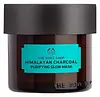
This wash off mask is made with Kaolin and Charcoal Powder for a rinse-off oil-control boost.


What's inside
What's inside
 Key Ingredients
Benefits
Concerns
Ingredients Side-by-side
Water
Skin ConditioningKaolin
Abrasive



Bentonite
Absorbent
Methylpropanediol
Solvent1,2-Hexanediol
Skin Conditioning
Xanthan Gum
EmulsifyingTetrasodium Pyrophosphate
BufferingCI 77510
Cosmetic ColorantMagnesium Aluminum Silicate
Absorbent
Sodium Hyaluronate
Humectant



Caprylyl Glycol
Emollient
Cellulose
Absorbent
Chlorella Vulgaris Extract
Skin ConditioningGlucose
Humectant
Butylene Glycol
Humectant
Allantoin
Skin Conditioning
Caffeine
Skin Conditioning
Fructooligosaccharides
Humectant
Fructose
Humectant
Limonene
Perfuming




Ethylhexylglycerin
Skin ConditioningCitrus Aurantium Bergamia Fruit Oil
Masking

Sodium Phytate
ChelatingCitrus Limon Peel Oil
Masking
Citrus Aurantium Dulcis Peel Oil
Masking
Cynanchum Atratum Extract
Skin ConditioningAlthaea Rosea Flower Extract
Skin ConditioningTocopherol
Antioxidant



Canadian Colloidal Clay
Skin ConditioningGluconolactone
Chelating

Guaiazulene
Antimicrobial
Salicylic Acid
Masking

Glycolic Acid
Buffering
Pentylene Glycol
Skin Conditioning
Montmorillonite
AbsorbentIllite
Abrasive
Methyl Diisopropyl Propionamide
MaskingOenothera Biennis Flower Extract
AstringentPinus Palustris Leaf Extract
TonicPueraria Lobata Root Extract
HumectantUlmus Davidiana Root Extract
Skin Conditioning
Diospyros Kaki Leaf Extract
Skin Protecting
Vitis Vinifera Fruit Extract
Skin ConditioningCarthamus Tinctorius Flower Extract
Skin ConditioningCoffea Arabica Seed Extract
Masking
Polygonum Cuspidatum Root Extract
Antioxidant
Camellia Sinensis Leaf Extract
Antimicrobial
Castanea Crenata Shell Extract
Skin ConditioningZanthoxylum Piperitum Fruit Extract
Skin ConditioningCopper Tripeptide-1
Skin Conditioning
Water, Kaolin, Bentonite, Methylpropanediol, 1,2-Hexanediol, Xanthan Gum, Tetrasodium Pyrophosphate, CI 77510, Magnesium Aluminum Silicate, Sodium Hyaluronate, Caprylyl Glycol, Cellulose, Chlorella Vulgaris Extract, Glucose, Butylene Glycol, Allantoin, Caffeine, Fructooligosaccharides, Fructose, Limonene, Ethylhexylglycerin, Citrus Aurantium Bergamia Fruit Oil, Sodium Phytate, Citrus Limon Peel Oil, Citrus Aurantium Dulcis Peel Oil, Cynanchum Atratum Extract, Althaea Rosea Flower Extract, Tocopherol, Canadian Colloidal Clay, Gluconolactone, Guaiazulene, Salicylic Acid, Glycolic Acid, Pentylene Glycol, Montmorillonite, Illite, Methyl Diisopropyl Propionamide, Oenothera Biennis Flower Extract, Pinus Palustris Leaf Extract, Pueraria Lobata Root Extract, Ulmus Davidiana Root Extract, Diospyros Kaki Leaf Extract, Vitis Vinifera Fruit Extract, Carthamus Tinctorius Flower Extract, Coffea Arabica Seed Extract, Polygonum Cuspidatum Root Extract, Camellia Sinensis Leaf Extract, Castanea Crenata Shell Extract, Zanthoxylum Piperitum Fruit Extract, Copper Tripeptide-1
Water
Skin ConditioningKaolin
Abrasive
Moroccan Lava Clay
Abrasive
Magnesium Aluminum Silicate
Absorbent
Alcohol Denat.
Antimicrobial
Camellia Sinensis Leaf
Perfuming
PEG-40 Hydrogenated Castor Oil
Emulsifying
Pumice
Abrasive
Argania Spinosa Shell Powder
Abrasive
Phenoxyethanol
Preservative
Xanthan Gum
EmulsifyingParfum
Masking
Charcoal Powder
Abrasive
Ethylhexylglycerin
Skin ConditioningCaprylhydroxamic Acid
ChelatingArgania Spinosa Kernel Oil
Emollient
Butyrospermum Parkii Butter
Skin Conditioning

Limonene
Perfuming
Linalool
Perfuming
Methylpropanediol
SolventAloe Barbadensis Leaf Juice Powder
Skin Conditioning
Menthol
Masking
Disodium EDTA
ChelatingTetrasodium Pyrophosphate
BufferingMelaleuca Alternifolia Leaf Oil
Antioxidant
Eucalyptus Globulus Leaf Oil
Perfuming
Citric Acid
Buffering
Menthoxypropanediol
Masking
Citral
Perfuming
Geraniol
Perfuming
Coumarin
Perfuming
Caramel
Cosmetic ColorantWater, Kaolin, Moroccan Lava Clay, Magnesium Aluminum Silicate, Alcohol Denat., Camellia Sinensis Leaf, PEG-40 Hydrogenated Castor Oil, Pumice, Argania Spinosa Shell Powder, Phenoxyethanol, Xanthan Gum, Parfum, Charcoal Powder, Ethylhexylglycerin, Caprylhydroxamic Acid, Argania Spinosa Kernel Oil, Butyrospermum Parkii Butter, Limonene, Linalool, Methylpropanediol, Aloe Barbadensis Leaf Juice Powder, Menthol, Disodium EDTA, Tetrasodium Pyrophosphate, Melaleuca Alternifolia Leaf Oil, Eucalyptus Globulus Leaf Oil, Citric Acid, Menthoxypropanediol, Citral, Geraniol, Coumarin, Caramel
Reviews
Ingredients Explained
These ingredients are found in both products.
Ingredients higher up in an ingredient list are typically present in a larger amount.
Ethylhexylglycerin is created from glycerin. It is a multitasker ingredient that:
The CIR Expert Panel found minimal skin absorption or sensitization of any kind in a safety assessment. Though this ingredient is considered well-tolerated, a small number of cases of allergic dermatitis have been published since 2002. Just be sure to patch test if you are unsure.
Industry-reported use ranges from 8% in rinse-off products and 2% in leave-on formulations.
Learn more about EthylhexylglycerinKaolin is a clay. It is used for oil control and to help minimize pores. Like other clays, kaolin has the ability to absorb excess sebum or oil. This can help clean out pores and mattify the skin.
Some types of kaolin may have exfoliating properties. When water is added to kaolin, it becomes a paste with small abrasive particles.
Most kaolin is a white color, but may be pink/orange/red depending on where it comes from.
The name 'kaolin' comes from a Chinese village named 'Gaoling'. Kaolin clay comes from rocks rich in kaolinite. Kaolinite, the mineral, has a silicate layered structure. Kaolinite is formed from chemical weathering of aluminum siilicate minerals.
Besides skincare, kaolin is commonly used to make glossy paper, in ceramics, toothpaste, and as medicine to soothe stomach issues.
Learn more about KaolinLimonene is the compound that gives citrus peel its smell.
In skincare, it shows up as a standalone fragrance ingredient or as a natural compound of citrus and other essential oils.
You'll typically see this ingredient used in very small amounts; anything above 0.001% in a leave-on product or 0.01% in a rinse-off has to be named on the label in the EU. The citrus oils that carry it sit around 0.5-1% in a finished formula.
Fresh limonene is a weak allergen; the real issue is that it slowly reacts with air and then breaks down from oxidation to create hydroperoxides (which are strong sensitizers). This is why suppliers are required to keep the peroxide value below 20 mmol.
Positive reactions in people being investigated for eczema vary:
It's worth skipping if you have a known fragrance allergy or a compromised barrier, but the risk is low for most people.
Older or long-opened products are also more likely to bother you than fresh ones due to oxidation.
Learn more about LimoneneMagnesium Aluminum Silicate is a type of silica. It comes from naturally occuring minerals such as silicate ores and clay.
Magnesium aluminum silicate is used for enhancing texture and as an absorbent. Due to its large molecular size, it is unable to be absorbed into the skin.
Like other types of silica, this ingredient can be used to thicken a product. As an absorbent, it may be used to absorb extra water or help prevent clumping.
Although “aluminum” in an ingredient name can raise red flags for some consumers, the form and usage context matter significantly. For typical topical applications, there is no substantial evidence of health risks - such as cancer, neurotoxicity, or systemic “aluminum overload.”
Learn more about Magnesium Aluminum SilicateMethylpropanediol is a synthetic solvent and humectant.
As a solvent, it helps dissolve other ingredients, helping to evenly distribute ingredients throughout the product. This ingredient has also been shown to have antimicrobial properties which makes it a preservative booster.
Methylpropanediol is able to add a bit of moisture to the skin. It also helps other ingredients be better absorbed into the skin, such as salicylic acid.
Learn more about MethylpropanediolWe don't have a description for Tetrasodium Pyrophosphate yet.
Water. It's the most common cosmetic ingredient of all. You'll usually see it at the top of ingredient lists, meaning that it makes up the largest part of the product.
So why is it so popular? Water most often acts as a solvent - this means that it helps dissolve other ingredients into the formulation.
You'll also recognize water as that liquid we all need to stay alive. If you see this, drink a glass of water. Remember to stay hydrated!
Learn more about WaterXanthan gum is used as a stabilizer and thickener within cosmetic products. It helps give products a sticky, thick feeling - preventing them from being too runny.
On the technical side of things, xanthan gum is a polysaccharide - a combination consisting of multiple sugar molecules bonded together.
Xanthan gum is a pretty common and great ingredient. It is a natural, non-toxic, non-irritating ingredient that is also commonly used in food products.
Learn more about Xanthan Gum

