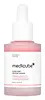
This anti-aging serum is formulated around Niacinamide and Sodium DNA to soften the look of wrinkles and refine skin texture.
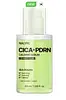
This calming serum is formulated around Centella Asiatica Leaf Water and Panthenol to calm redness and strengthen the skin barrier.

What's inside
What's inside
 Key Ingredients
Benefits
Concerns
Ingredients Side-by-side
Water
Skin ConditioningGlycerin
Humectant


Dipropylene Glycol
HumectantIsopropyl Myristate
Emollient





Glycereth-26
Humectant
Niacinamide
Smoothing









1,2-Hexanediol
Skin Conditioning
Sodium DNA
Skin Conditioning
Butylene Glycol
Humectant
Polyglycerin-3
Humectant
Sodium Acrylate/Sodium Acryloyldimethyl Taurate Copolymer
Emulsion StabilisingPolyisobutene
Acrylates/C10-30 Alkyl Acrylate Crosspolymer
Emulsion StabilisingMilt Extract
Skin ConditioningTromethamine
BufferingGlyceryl Acrylate/Acrylic Acid Copolymer
HumectantPvm/Ma Copolymer
Emulsion StabilisingEthylhexylglycerin
Skin ConditioningCaprylyl Glycol
Emollient
Parfum
Masking

Melia Azadirachta Leaf Extract
Skin ConditioningAdenosine
Skin Conditioning
Caprylyl/Capryl Glucoside
CleansingSorbitan Oleate
Emulsifying
Melia Azadirachta Flower Extract
Skin ConditioningSodium Hyaluronate
Humectant
Disodium EDTA
Curcuma Longa Root Extract
Antioxidant
Cyanocobalamin
Skin ConditioningHydrolyzed Collagen
Emollient
Ubiquinone
Antioxidant
Ocimum Sanctum Leaf Extract
Skin ConditioningCorallina Officinalis Extract
Skin Conditioning
Palmitoyl Pentapeptide-4
Skin Conditioning
Palmitoyl Tripeptide-1
Skin Conditioning
Palmitoyl Tetrapeptide-7
Skin Conditioning
Copper Tripeptide-1
Skin Conditioning
Acetyl Hexapeptide-8
Humectant
Salmon Egg Extract
Atelocollagen
Skin Conditioning
Water, Glycerin, Dipropylene Glycol, Isopropyl Myristate, Glycereth-26, Niacinamide, 1,2-Hexanediol, Sodium DNA, Butylene Glycol, Polyglycerin-3, Sodium Acrylate/Sodium Acryloyldimethyl Taurate Copolymer, Polyisobutene, Acrylates/C10-30 Alkyl Acrylate Crosspolymer, Milt Extract, Tromethamine, Glyceryl Acrylate/Acrylic Acid Copolymer, Pvm/Ma Copolymer, Ethylhexylglycerin, Caprylyl Glycol, Parfum, Melia Azadirachta Leaf Extract, Adenosine, Caprylyl/Capryl Glucoside, Sorbitan Oleate, Melia Azadirachta Flower Extract, Sodium Hyaluronate, Disodium EDTA, Curcuma Longa Root Extract, Cyanocobalamin, Hydrolyzed Collagen, Ubiquinone, Ocimum Sanctum Leaf Extract, Corallina Officinalis Extract, Palmitoyl Pentapeptide-4, Palmitoyl Tripeptide-1, Palmitoyl Tetrapeptide-7, Copper Tripeptide-1, Acetyl Hexapeptide-8, Salmon Egg Extract, Atelocollagen
Centella Asiatica Leaf Water
Skin Conditioning
1,2-Hexanediol
Skin Conditioning
Glycerin
Humectant
Tripropylene Glycol
Antioxidant
Vinyldimethicone

Water
Skin ConditioningPolyglyceryl-10 Oleate
Skin Conditioning
Hydrogenated Lecithin
Emulsifying
Butylene Glycol
Humectant
Trehalose
Humectant
Coriandrum Sativum Extract
Skin ConditioningElettaria Cardamomum Seed Extract
Perfuming
Crocus Sativus Flower Extract
MaskingFoeniculum Vulgare Seed Extract
Skin ConditioningCoptis Chinensis Root Extract
Antioxidant
Arginine
Masking
Carbomer
Emulsion StabilisingPanthenol
Skin Conditioning
Vitis Vinifera Fruit Extract
Skin ConditioningCarica Papaya Fruit Extract
Skin ConditioningPrunus Mume Fruit Extract
Humectant
Pyrus Malus Fruit Extract
Skin Conditioning
Melaleuca Alternifolia Leaf Extract
Perfuming
Propanediol
Solvent
Hydroxyethylcellulose
Emulsion StabilisingBacillus Ferment
Skin Conditioning
Pullulan
Mentha Arvensis Extract
MaskingEucalyptus Globulus Leaf Extract
Perfuming
Cymbopogon Citratus Extract
Skin ConditioningAloe Barbadensis Leaf Extract
Emollient
Erythritol
Humectant
Allantoin
Skin Conditioning
Sodium Polyacrylate
Absorbent
Acrylates/C10-30 Alkyl Acrylate Crosspolymer
Emulsion StabilisingHordeum Vulgare Leaf Extract
Skin ConditioningSodium DNA
Skin Conditioning
Ethylhexylglycerin
Skin ConditioningDipotassium Glycyrrhizate
Humectant
Sodium Phytate
Dextrin
AbsorbentGardenia Florida Fruit Extract
Skin ConditioningCaramel
Cosmetic ColorantCentella Asiatica Leaf Water, 1,2-Hexanediol, Glycerin, Tripropylene Glycol, Vinyldimethicone, Water, Polyglyceryl-10 Oleate, Hydrogenated Lecithin, Butylene Glycol, Trehalose, Coriandrum Sativum Extract, Elettaria Cardamomum Seed Extract, Crocus Sativus Flower Extract, Foeniculum Vulgare Seed Extract, Coptis Chinensis Root Extract, Arginine, Carbomer, Panthenol, Vitis Vinifera Fruit Extract, Carica Papaya Fruit Extract, Prunus Mume Fruit Extract, Pyrus Malus Fruit Extract, Melaleuca Alternifolia Leaf Extract, Propanediol, Hydroxyethylcellulose, Bacillus Ferment, Pullulan, Mentha Arvensis Extract, Eucalyptus Globulus Leaf Extract, Cymbopogon Citratus Extract, Aloe Barbadensis Leaf Extract, Erythritol, Allantoin, Sodium Polyacrylate, Acrylates/C10-30 Alkyl Acrylate Crosspolymer, Hordeum Vulgare Leaf Extract, Sodium DNA, Ethylhexylglycerin, Dipotassium Glycyrrhizate, Sodium Phytate, Dextrin, Gardenia Florida Fruit Extract, Caramel
Reviews
Ingredients Explained
These ingredients are found in both products.
Ingredients higher up in an ingredient list are typically present in a larger amount.
1,2-Hexanediol is a synthetic liquid and another multi-functional powerhouse.
It is a:
- Humectant, drawing moisture into the skin
- Emollient, helping to soften skin
- Solvent, dispersing and stabilizing formulas
- Preservative booster, enhancing the antimicrobial activity of other preservatives
Acrylates/C10-30 Alkyl Acrylate Crosspolymer is a synthetic polymer. It is used to thicken, emulsify, and improve the texture of products.
As an emulsifier, it helps stabilize oil-in-water emulsions to give products an elegant feel when applied.
It can also form a thin protective film on skin. One study found that a formula using this polymer helped slow down how quickly other ingredients (like DEET) were absorbed through skin.
A 2024 study of over 1,300 patients confirmed that sensitization to this ingredient is rare. It is also non-mutagenic and has a clean track record.
Learn more about Acrylates/C10-30 Alkyl Acrylate CrosspolymerButylene Glycol (or BG) is used within cosmetic products for a few different reasons:
Overall, Butylene Glycol is a safe and well-rounded ingredient that works well with other ingredients.
Though this ingredient works well with most skin types, some people with sensitive skin may experience a reaction such as allergic rashes, closed comedones, or itchiness.
Learn more about Butylene GlycolEthylhexylglycerin is created from glycerin. It is a multitasker ingredient that:
The CIR Expert Panel found minimal skin absorption or sensitization of any kind in a safety assessment. Though this ingredient is considered well-tolerated, a small number of cases of allergic dermatitis have been published since 2002. Just be sure to patch test if you are unsure.
Industry-reported use ranges from 8% in rinse-off products and 2% in leave-on formulations.
Learn more about EthylhexylglycerinGlycerin (or glycerol) is a compound naturally found in your skin. It's a powerhouse humectant that pulls water into the stratum corneum.
Topically, glycerin does several things at once:
Your skin makes glycerin on its own (mostly from sebaceous oil breakdown) and shuttles it to your outermost layer of skin, or your epidermis, via aquaporin-3.
Aquaporin-3 is a transporter that is essential for normal skin hydration, elasticity, and repair. Interestingly, mice lacking in AQP3 have dry and less elastic skin that can be fully corrected with glycerin.
This ingredient is non-irritating, plays well with almost every ingredient, and works across all skin types. Typical use is anywhere between 3-10% but can go up to 79% in some leave-on products.
Just know very high concentrations (>40%) can feel tacky in low humidity.
Glycerin is the name for this ingredient in American English. British English uses Glycerol/Glycerine.
Learn more about GlycerinSodium DNA is an emerging anti-aging ingredient.
It is created by taking deoxyribonucleic acid (DNA) and purifying it with sodium hydroxide.
The DNA is extracted from several different animal sources, including: calf thymus, the gonadic tissue of a male sturgeon, or herring / salmon sperm.
You have probably seen this ingredient in anti-aging skincare. But what is it?
DNA is composed of nucleotides, or chemical building blocks. Nucleotides include adenine (A), thymine (T), guanine (G), and cytosine (C). Talk about a flashback to biology! Nucleosides are formed from these nucleotides.
The science behind Sodium DNA is based on an ingredient called Polydeoxyribonucleotide or PDRN.
PDRN are DNA fragments mainly extracted from the sperm cells of trout or salmon. Meaning, PDRN can be derived from Sodium DNA.
PDRN consists of chains of nucleotides and nucleosides mentioned above. They can range anywhere from 80 - 2000 pairs.
Studies show PDRN has the following properties:
Most of the research on PDRN has been done using injectable forms. That’s important, because PDRN is a large molecule and doesn’t absorb well through the skin. So if you’re applying it topically, the effects are likely to be much milder.
Still, topical Sodium DNA is emerging as a trendy anti-aging ingredient. It’s generally well-tolerated and offers good biocompatibility with human skin, making it a low-risk addition to most routines.
Further studies are needed to truly confirm this ingredients anti-aging ability (Remember, retinol has decades of research!).
Sodium DNA may be sourced from fish, animal tissue, or plants. Since this isn’t always disclosed, we recommend asking the brand directly if the ingredient’s origin is important to you.
Learn more about Sodium DNAWater. It's the most common cosmetic ingredient of all. You'll usually see it at the top of ingredient lists, meaning that it makes up the largest part of the product.
So why is it so popular? Water most often acts as a solvent - this means that it helps dissolve other ingredients into the formulation.
You'll also recognize water as that liquid we all need to stay alive. If you see this, drink a glass of water. Remember to stay hydrated!
Learn more about Water

