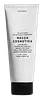
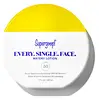
Mecca Cosmetica To Save Face SPF30 Facial Sunscreen Versus Supergoop! Every. Single. Face. Watery Lotion SPF 50
This chemical sunscreen covers most of the UV range, lighter on the deep UVA that drives aging.
This chemical sunscreen covers most of the UV range, lighter on the deep UVA that drives aging.


What's inside
What's inside
 Key Ingredients
Benefits
Concerns
Ingredients Side-by-side
Water
Skin ConditioningOctocrylene
UV Absorber



C12-15 Alkyl Benzoate
AntimicrobialGlyceryl Stearate
Emollient

Propylene Glycol
Humectant
Phenylbenzimidazole Sulfonic Acid
UV Absorber
Butyl Methoxydibenzoylmethane
UV Absorber
Cetearyl Alcohol
Emollient



Benzophenone-3
UV Absorber
Potassium Cetyl Phosphate
EmulsifyingIsopropyl Myristate
Emollient
Phenoxyethanol
Preservative
Sodium Hydroxide
BufferingParfum
Masking

Methylparaben
Preservative
Carbomer
Emulsion StabilisingTocopheryl Acetate
Antioxidant


Glycerin
Humectant

Propylparaben
Preservative
Disodium EDTA
ChelatingPunica Granatum Fruit Extract
Antioxidant

Sodium Hyaluronate
Humectant


Hexyl Cinnamal
Perfuming
Linalool
Perfuming
Limonene
Perfuming
Alpha-Isomethyl Ionone
Perfuming
Citronellol
Perfuming
Citral
Perfuming
Water, Octocrylene, C12-15 Alkyl Benzoate, Glyceryl Stearate, Propylene Glycol, Phenylbenzimidazole Sulfonic Acid, Butyl Methoxydibenzoylmethane, Cetearyl Alcohol, Benzophenone-3, Potassium Cetyl Phosphate, Isopropyl Myristate, Phenoxyethanol, Sodium Hydroxide, Parfum, Methylparaben, Carbomer, Tocopheryl Acetate, Glycerin, Propylparaben, Disodium EDTA, Punica Granatum Fruit Extract, Sodium Hyaluronate, Hexyl Cinnamal, Linalool, Limonene, Alpha-Isomethyl Ionone, Citronellol, Citral
Butyl Methoxydibenzoylmethane 3%
UV Absorber
Homosalate 9%
Skin Conditioning
Ethylhexyl Salicylate 5%
UV Absorber
Octocrylene 9%
UV Absorber
Water
Skin ConditioningAlcohol
Antimicrobial

C12-15 Alkyl Benzoate
AntimicrobialPropanediol
Solvent
Dimethicone
Emollient
Glycerin
Humectant
Acrylates/Polytrimethylsiloxymethacrylate Copolymer
Skin ConditioningMaltodextrin
Absorbent
Triethyl Citrate
Masking
Hydroxyacetophenone
Antioxidant
Acrylates/C10-30 Alkyl Acrylate Crosspolymer
Emulsion Stabilising1,2-Hexanediol
Skin Conditioning
Caprylyl Glycol
Emollient
Pullulan
Sodium Polyacrylate
Absorbent
Betaine
Humectant
Lavandula Angustifolia Flower/Leaf/Stem Extract
Masking
Hedychium Coronarium Root Extract
MaskingCaesalpinia Spinosa Gum
Skin ConditioningLinalool
Perfuming
Camellia Sinensis Leaf Extract
Antimicrobial

Tremella Fuciformis Sporocarp Extract
Antioxidant
Amyl Cinnamal
Perfuming
Glyceryl Caprylate
EmollientGlyceryl Undecylenate
Emollient
Sodium Carboxymethyl Beta-Glucan
CleansingPyrus Malus Fruit Extract
Skin Conditioning
Rosmarinus Officinalis Leaf Extract
AntimicrobialRubus Idaeus Leaf Extract
Skin ConditioningSalvia Officinalis Leaf Extract
CleansingLepidium Sativum Sprout Extract
Skin ConditioningButyl Methoxydibenzoylmethane 3%, Homosalate 9%, Ethylhexyl Salicylate 5%, Octocrylene 9%, Water, Alcohol, C12-15 Alkyl Benzoate, Propanediol, Dimethicone, Glycerin, Acrylates/Polytrimethylsiloxymethacrylate Copolymer, Maltodextrin, Triethyl Citrate, Hydroxyacetophenone, Acrylates/C10-30 Alkyl Acrylate Crosspolymer, 1,2-Hexanediol, Caprylyl Glycol, Pullulan, Sodium Polyacrylate, Betaine, Lavandula Angustifolia Flower/Leaf/Stem Extract, Hedychium Coronarium Root Extract, Caesalpinia Spinosa Gum, Linalool, Camellia Sinensis Leaf Extract, Tremella Fuciformis Sporocarp Extract, Amyl Cinnamal, Glyceryl Caprylate, Glyceryl Undecylenate, Sodium Carboxymethyl Beta-Glucan, Pyrus Malus Fruit Extract, Rosmarinus Officinalis Leaf Extract, Rubus Idaeus Leaf Extract, Salvia Officinalis Leaf Extract, Lepidium Sativum Sprout Extract
Reviews
Ingredients Explained
These ingredients are found in both products.
Ingredients higher up in an ingredient list are typically present in a larger amount.
Also known as Avobenzone, this ingredient is an oil-soluble used to absorb the full spectrum of UVA rays (peak 357 nm).
It's one of the most effective UVA filters available but has a major caveat of photostability: avobenzone is susceptible to photodegradation.
This means it can lose efficacy when exposed to sunlight without the help of a stabilizing agent.
Studies show antioxidants (like vitamin E or vitamin C) and some UV filters (like octocrylene and Tinosorb S) can meaningfully improve its stability in a formulation.
The maximum allowable concentration according to regulation is 3% in the US + Canada, and 5% in the EU, Australia, China, Korea, and ASEAN countries.
It has a well-support safety profile: a comprehensive 2025 review found minimal toxicity with no evidence of carcinogenicity.
Overall, avobenzone is a safe and regulated ingredient used in sunscreen for over 40 years.
Learn more about Butyl MethoxydibenzoylmethaneC12-15 Alkyl Benzoate is a lightweight emollient made by combinig benzoic acid with fatty alcohols that are 12-15 carbons long.
In cosmetics, it plays several roles:
The Cosmetic Review Expert Panel has concluded the alkyl benzoate group to be safe as used in cosmetics; it wasn't found to be a skin irritant and unlikely to be absorbed due to its low water solubility.
This report recorded almost 1000 reported uses with concentrations up to 59% in leave-on products but your cosmetics will typically use 0.5-15% depending on the product.
It's often called a "SPF booster": this is because it keeps UV filters properly dissolved and evenly distributed to support a sunscreen's performance. It doesn't actually raise SPF on its own.
Overall, this ingredient is well tolerated.
This ingredient is fungal acne safe because it is an ester of benzoic acid.
Think of this ingredient as two parts stuck together: an oily part and an acid part. Malassezia only gets a meal when it can snip off a fatty acid to eat. With C12-15 Alkyl Benzoate, the acid part is benzoic acid, which isn't a fatty acid and which the yeast can't use as food.
Benzoic acid is actually used as a preservative to stop yeast from growing.
The oily part is a blend of C12-15 fatty alcohols but fatty alcohols in this size range can support only a little Malassezia growth (mostly for one species of Malassezia as well).
In the ingredient, those alcohols stay locked inside the molecule. The yeast can only reach them by snipping the benzoate bond, and that type of bond is harder for it to cut than a normal fatty bond.
So not much gets released. And whatever does get snipped comes packaged with benzoic acid, which discourages yeast growth.
Learn more about C12-15 Alkyl BenzoateGlycerin (or glycerol) is a compound naturally found in your skin. It's a powerhouse humectant that pulls water into the stratum corneum.
Topically, glycerin does several things at once:
Your skin makes glycerin on its own (mostly from sebaceous oil breakdown) and shuttles it to your outermost layer of skin, or your epidermis, via aquaporin-3.
Aquaporin-3 is a transporter that is essential for normal skin hydration, elasticity, and repair. Interestingly, mice lacking in AQP3 have dry and less elastic skin that can be fully corrected with glycerin.
This ingredient is non-irritating, plays well with almost every ingredient, and works across all skin types. Typical use is anywhere between 3-10% but can go up to 79% in some leave-on products.
Just know very high concentrations (>40%) can feel tacky in low humidity.
Glycerin is the name for this ingredient in American English. British English uses Glycerol/Glycerine.
Learn more about GlycerinLinalool is a small, naturally occurring scent molecule found in plants like lavender, coriander, bergamot, and more.
It is one of the two most-used fragrance ingredients in cosmetics and added purely for smell. Since it's not used for a skin benefit, there's no "effective dose". Concentration depends on the fragrance load of the product.
The EU requires it to be named on the label above 0.001% in leave-on and 0.01% in rinse-off products.
Fresh linalool is a weak sensitizer but air exposure turns some of it into hydroperoxides, which are strong sensitizers. Those oxidation products are the actual allergy concern.
Patch-test clinics see positive reactions to linalool hydroperoxides in about 4% to 12% of dermatitis patients depending on country and test concentration.
Resassuringly, one analytical study found hydroperoxide levels in real fragranced products to be orders of magnitude below what induced sensitization in animal studies with no evidence of oxidation building up during normal storage.
The practical takeaway is that linalool is fine for most people but worth avoiding if you have a confirmed fragrance contact allergy or a badly compromised barrier.
Products stored a long time after opening are also the high-risk scenario since that is when oxidation happens.
The scent of linalool is described as floral, spicy tropical, and citrus-like.
Learn more about LinaloolOctocrylene is an oil-soluble organic UV filter that mainly absorbs UVB and short wave UVA II light.
Its real superpower is teamwork: octocrylene is remarkably photostable and is most famous for stabilizing avobenzone (the workhorse UVA filter).
This ingredient is commonly used to enhance both UVB and UVA protection due to its unique property in stabilizing avobenzone. It also pulls double duty by boosting water resistance and giving formulas a smooth, spreadable feel.
The EU's Scientific Committee on Consumer Safety (SCCS) has deemed octocrylene to be safe as a UV-filter at concentrations up to 10% (capped at 9% in propellant sprays). The US also permits it up to 10%.
Two things worth knowing:
You'll usually see this ingredient used in concentrations between 2-10% (higher amounts when used as a stabilizer for avobenzone).
Learn more about OctocryleneWater. It's the most common cosmetic ingredient of all. You'll usually see it at the top of ingredient lists, meaning that it makes up the largest part of the product.
So why is it so popular? Water most often acts as a solvent - this means that it helps dissolve other ingredients into the formulation.
You'll also recognize water as that liquid we all need to stay alive. If you see this, drink a glass of water. Remember to stay hydrated!
Learn more about Water

