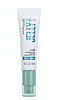
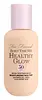
Maybelline Poreless Jelly Primer Versus Too Faced Born This Way Healthy Glow SPF 30 Moisturizing Skin Tint

What's inside
What's inside
 Key Ingredients
Benefits
Concerns
Ingredients Side-by-side





Ethylhexyl Methoxycinnamate 5%
UV Absorber


Titanium Dioxide 3.1%
Cosmetic Colorant
Zinc Oxide 2.2%
Cosmetic Colorant
Water
Skin ConditioningMethyl Trimethicone
Skin Conditioning
Phenyl Trimethicone
Skin Conditioning
Silica
Abrasive

Butyloctyl Salicylate
Skin Conditioning
Dimethicone
Emollient
Neopentyl Glycol Diheptanoate
EmollientC12-15 Alkyl Benzoate
AntimicrobialButylene Glycol
Humectant

Lauryl PEG-9 Polydimethylsiloxyethyl Dimethicone
Skin Conditioning
Ethylhexyl Palmitate
Emollient




Trimethylsiloxysilicate/Dimethiconol Crosspolymer
Glycerin
Humectant
Polysilicone-11
Rhododendron Ferrugineum Extract
MaskingCocos Nucifera Liquid Endosperm

Cocos Nucifera Fruit Juice
Emollient
Sodium Hyaluronate
Humectant


Thermus Thermophillus Ferment
Skin ConditioningSodium PCA
Humectant
Pyrus Malus Fruit Extract
Skin Conditioning
Lens Esculenta Fruit Extract
Skin ConditioningCitrullus Lanatus Fruit Extract
Skin Conditioning
Tocopheryl Acetate
Antioxidant


Litchi Chinensis Seed Extract
Skin ConditioningLecithin
Emollient
Sodium Lactate
Buffering
Triethyl Citrate
Masking

PEG-10 Dimethicone
Skin Conditioning
Magnesium Aluminum Silicate
Absorbent
Dimethicone Silylate
Dextrin
AbsorbentTriethoxycaprylylsilane
Silica Dimethyl Silylate
EmollientTrimethylsiloxysilicate
Emollient
Disodium Phosphate
BufferingLaureth-7
EmulsifyingDisteardimonium Hectorite
StabilisingSodium Chloride
MaskingDimethicone/PEG-10/15 Crosspolymer
Xanthan Gum
EmulsifyingCalcium Chloride
AstringentCaprylyl Glycol
Emollient
Dipropylene Glycol
HumectantHexylene Glycol
EmulsifyingLaminaria Saccharina Extract
Skin Protecting
Glycine Soja Protein
EmulsifyingPolyglutamic Acid
Skin Conditioning
Zinc Stearate
Cosmetic ColorantBHT
Antioxidant
Disodium EDTA
ChelatingSodium Citrate
BufferingPhenoxyethanol
Preservative
Potassium Sorbate
Preservative
Sodium Dehydroacetate
Preservative
Sodium Benzoate
Masking
Mica
Cosmetic ColorantCI 77891
Cosmetic ColorantCI 77491
Cosmetic ColorantCI 77492
Cosmetic ColorantCI 77499
Cosmetic ColorantEthylhexyl Methoxycinnamate 5%, Titanium Dioxide 3.1%, Zinc Oxide 2.2%, Water, Methyl Trimethicone, Phenyl Trimethicone, Silica, Butyloctyl Salicylate, Dimethicone, Neopentyl Glycol Diheptanoate, C12-15 Alkyl Benzoate, Butylene Glycol, Lauryl PEG-9 Polydimethylsiloxyethyl Dimethicone, Ethylhexyl Palmitate, Trimethylsiloxysilicate/Dimethiconol Crosspolymer, Glycerin, Polysilicone-11, Rhododendron Ferrugineum Extract, Cocos Nucifera Liquid Endosperm, Cocos Nucifera Fruit Juice, Sodium Hyaluronate, Thermus Thermophillus Ferment, Sodium PCA, Pyrus Malus Fruit Extract, Lens Esculenta Fruit Extract, Citrullus Lanatus Fruit Extract, Tocopheryl Acetate, Litchi Chinensis Seed Extract, Lecithin, Sodium Lactate, Triethyl Citrate, PEG-10 Dimethicone, Magnesium Aluminum Silicate, Dimethicone Silylate, Dextrin, Triethoxycaprylylsilane, Silica Dimethyl Silylate, Trimethylsiloxysilicate, Disodium Phosphate, Laureth-7, Disteardimonium Hectorite, Sodium Chloride, Dimethicone/PEG-10/15 Crosspolymer, Xanthan Gum, Calcium Chloride, Caprylyl Glycol, Dipropylene Glycol, Hexylene Glycol, Laminaria Saccharina Extract, Glycine Soja Protein, Polyglutamic Acid, Zinc Stearate, BHT, Disodium EDTA, Sodium Citrate, Phenoxyethanol, Potassium Sorbate, Sodium Dehydroacetate, Sodium Benzoate, Mica, CI 77891, CI 77491, CI 77492, CI 77499
Reviews
Ingredients Explained
These ingredients are found in both products.
Ingredients higher up in an ingredient list are typically present in a larger amount.
Butylene Glycol (or BG) is used within cosmetic products for a few different reasons:
Overall, Butylene Glycol is a safe and well-rounded ingredient that works well with other ingredients.
Though this ingredient works well with most skin types, some people with sensitive skin may experience a reaction such as allergic rashes, closed comedones, or itchiness.
Learn more about Butylene GlycolCaprylyl Glycol is a humectant, skin conditioner, emollient, and preservative booster derived from either caprylic acid or synthetically created.
Typical use levels vary from 0.3-1% as a preservative booster and go up to 2% to condition skin.
Because it is not a free-fatty acid, this ingredient is fungal acne safe (there's nothing for Malassezia to feed on).
Learn more about Caprylyl GlycolDipropylene Glycol is a synthetically created humectant, stabilizer, and solvent.
This ingredient helps:
Dipropylene glycol is technically an alcohol, but it belongs to the glycol family (often considered part of the ‘good’ alcohols). This means it is hydrating and gentle on skin unlike drying solvent alcohols like denatured alcohol.
As a masking agent, Dipropylene Glycol can be used to cover the smell of other ingredients. However, it does not have a scent.
Studies show Dipropylene Glycol is considered safe to use in skincare.
Learn more about Dipropylene GlycolGlycerin (or glycerol) is a compound naturally found in your skin. It's a powerhouse humectant that pulls water into the stratum corneum.
Topically, glycerin does several things at once:
Your skin makes glycerin on its own (mostly from sebaceous oil breakdown) and shuttles it to your outermost layer of skin, or your epidermis, via aquaporin-3.
Aquaporin-3 is a transporter that is essential for normal skin hydration, elasticity, and repair. Interestingly, mice lacking in AQP3 have dry and less elastic skin that can be fully corrected with glycerin.
This ingredient is non-irritating, plays well with almost every ingredient, and works across all skin types. Typical use is anywhere between 3-10% but can go up to 79% in some leave-on products.
Just know very high concentrations (>40%) can feel tacky in low humidity.
Glycerin is the name for this ingredient in American English. British English uses Glycerol/Glycerine.
Learn more about GlycerinWater. It's the most common cosmetic ingredient of all. You'll usually see it at the top of ingredient lists, meaning that it makes up the largest part of the product.
So why is it so popular? Water most often acts as a solvent - this means that it helps dissolve other ingredients into the formulation.
You'll also recognize water as that liquid we all need to stay alive. If you see this, drink a glass of water. Remember to stay hydrated!
Learn more about Water

