
What's inside
What's inside
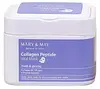 Key Ingredients
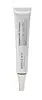
Benefits
Concerns
Ingredients Side-by-side
Water
Skin ConditioningGlycerin
Humectant



Dipropylene Glycol
HumectantHydrolyzed Collagen
Emollient
Hydroxyacetophenone
Antioxidant

Polyglyceryl-10 Laurate
Skin Conditioning
Arginine
Masking
Carbomer
Emulsion StabilisingPolyglyceryl-4 Laurate
Emulsifying
Allantoin
Skin Conditioning
Adenosine
Skin Conditioning
Caprylyl/Capryl Glucoside
CleansingButylene Glycol
Humectant
Parfum
Masking


Hydroxyethylcellulose
Emulsion StabilisingCaprylyl Glycol
Emollient
1,2-Hexanediol
Skin Conditioning
Collagen Extract
Skin Conditioning
Soluble Collagen
Humectant
Disodium EDTA
Ethylhexylglycerin
Skin ConditioningCopper Tripeptide-1
Skin Conditioning

Hexapeptide-11
Skin Conditioning
Hexapeptide-9
Skin Conditioning
Palmitoyl Pentapeptide-4
Skin Conditioning
Palmitoyl Tripeptide-1
Skin Conditioning
Tripeptide-1
Skin Conditioning
Water, Glycerin, Dipropylene Glycol, Hydrolyzed Collagen, Hydroxyacetophenone, Polyglyceryl-10 Laurate, Arginine, Carbomer, Polyglyceryl-4 Laurate, Allantoin, Adenosine, Caprylyl/Capryl Glucoside, Butylene Glycol, Parfum, Hydroxyethylcellulose, Caprylyl Glycol, 1,2-Hexanediol, Collagen Extract, Soluble Collagen, Disodium EDTA, Ethylhexylglycerin, Copper Tripeptide-1, Hexapeptide-11, Hexapeptide-9, Palmitoyl Pentapeptide-4, Palmitoyl Tripeptide-1, Tripeptide-1
Water
Skin ConditioningEthylhexyl Palmitate
Emollient

Glycereth-26
Humectant
Glycerin
Humectant
Cetearyl Alcohol
Emollient
Niacinamide
Smoothing



Hydrogenated Poly(C6-14 Olefin)
EmollientBeeswax
Emulsion Stabilising
Caprylic/Capric Triglyceride
Masking
Polyglyceryl-2 Stearate
Emulsifying
Dipropylene Glycol
HumectantIsododecane
EmollientGlyceryl Stearate
Emollient
Hydroxyethyl Acrylate/Sodium Acryloyldimethyl Taurate Copolymer
Emulsion StabilisingStearyl Alcohol
Emollient
Glycol Stearate Se
Emulsifying
Sodium Polyacrylate
Absorbent
Hydroxyacetophenone
Antioxidant
Stearic Acid
Cleansing
Dimethiconol
Emollient
Dimethicone/Vinyl Dimethicone Crosspolymer
Skin Conditioning
Hydrogenated Polydecene
EmollientHydrogenated Lecithin
Emulsifying
Tranexamic Acid
Astringent
Betaine
Humectant
Glutathione
Panthenol
Skin Conditioning
Parfum
Masking
Hippophae Rhamnoides Fruit Oil
Skin Protecting
Butylene Glycol
Humectant
Adenosine
Skin Conditioning
Sorbitan Isostearate
Emulsifying
Caprylyl Glycol
Emollient
Trideceth-6
Emulsifying1,2-Hexanediol
Skin Conditioning
Disodium EDTA
Sodium Hyaluronate
Humectant
Ascorbic Acid
Antioxidant
Water, Ethylhexyl Palmitate, Glycereth-26, Glycerin, Cetearyl Alcohol, Niacinamide, Hydrogenated Poly(C6-14 Olefin), Beeswax, Caprylic/Capric Triglyceride, Polyglyceryl-2 Stearate, Dipropylene Glycol, Isododecane, Glyceryl Stearate, Hydroxyethyl Acrylate/Sodium Acryloyldimethyl Taurate Copolymer, Stearyl Alcohol, Glycol Stearate Se, Sodium Polyacrylate, Hydroxyacetophenone, Stearic Acid, Dimethiconol, Dimethicone/Vinyl Dimethicone Crosspolymer, Hydrogenated Polydecene, Hydrogenated Lecithin, Tranexamic Acid, Betaine, Glutathione, Panthenol, Parfum, Hippophae Rhamnoides Fruit Oil, Butylene Glycol, Adenosine, Sorbitan Isostearate, Caprylyl Glycol, Trideceth-6, 1,2-Hexanediol, Disodium EDTA, Sodium Hyaluronate, Ascorbic Acid
Reviews
Ingredients Explained
These ingredients are found in both products.
Ingredients higher up in an ingredient list are typically present in a larger amount.
1,2-Hexanediol is a synthetic liquid and another multi-functional powerhouse.
It is a:
- Humectant, drawing moisture into the skin
- Emollient, helping to soften skin
- Solvent, dispersing and stabilizing formulas
- Preservative booster, enhancing the antimicrobial activity of other preservatives
Adenosine is in every living organism. It is one of four components in nucleic acids that helps store our DNA.
Adenosine has many benefits when used. These benefits include hydrating the skin, smoothing skin, and reducing wrinkles. Once applied, adenosine increases collagen production. It also helps with improving firmness and tissue repair.
Studies have found adenosine may also help with wound healing.
In skincare products, Adenosine is usually derived from yeast.
Learn more about AdenosineButylene Glycol (or BG) is used within cosmetic products for a few different reasons:
Overall, Butylene Glycol is a safe and well-rounded ingredient that works well with other ingredients.
Though this ingredient works well with most skin types, some people with sensitive skin may experience a reaction such as allergic rashes, closed comedones, or itchiness.
Learn more about Butylene GlycolCaprylyl Glycol is a humectant and emollient, meaning it attracts and preserves moisture.
It is a common ingredient in many products, especially those designed to hydrate skin. The primary benefits are retaining moisture, skin softening, and promoting a healthy skin barrier.
Though Caprylyl Glycol is an alcohol derived from fatty acids, it is not the kind that can dry out skin.
This ingredient is also used as a preservative to extend the life of products. It has slight antimicrobial properties.
Learn more about Caprylyl GlycolDipropylene Glycol is a synthetically created humectant, stabilizer, and solvent.
This ingredient helps:
Dipropylene glycol is technically an alcohol, but it belongs to the glycol family (often considered part of the ‘good’ alcohols). This means it is hydrating and gentle on skin unlike drying solvent alcohols like denatured alcohol.
As a masking agent, Dipropylene Glycol can be used to cover the smell of other ingredients. However, it does not have a scent.
Studies show Dipropylene Glycol is considered safe to use in skincare.
Learn more about Dipropylene GlycolDisodium EDTA plays a role in making products more stable by aiding other preservatives.
It is a chelating agent, meaning it neutralizes metal ions that may be found in a product.
Disodium EDTA is a salt of edetic acid and is found to be safe in cosmetic ingredients.
Learn more about Disodium EDTAGlycerin is already naturally found in your skin. It helps moisturize and protect your skin.
A study from 2016 found glycerin to be more effective as a humectant than AHAs and hyaluronic acid.
As a humectant, it helps the skin stay hydrated by pulling moisture to your skin. The low molecular weight of glycerin allows it to pull moisture into the deeper layers of your skin.
Hydrated skin improves your skin barrier; Your skin barrier helps protect against irritants and bacteria.
Glycerin has also been found to have antimicrobial and antiviral properties. Due to these properties, glycerin is often used in wound and burn treatments.
In cosmetics, glycerin is usually derived from plants such as soybean or palm. However, it can also be sourced from animals, such as tallow or animal fat.
This ingredient is organic, colorless, odorless, and non-toxic.
Glycerin is the name for this ingredient in American English. British English uses Glycerol/Glycerine.
Learn more about GlycerinHydroxyacetophenone is antioxidant with skin conditioning and soothing properties. It also boosts the efficiency of preservatives.
This ingredient is not irritating or sensitizing.
Parfum is a catch-all term for an ingredient or more that is used to give a scent to products.
Also called "fragrance", this ingredient can be a blend of hundreds of chemicals or plant oils. This means every product with "fragrance" or "parfum" in the ingredients list is a different mixture.
For instance, Habanolide is a proprietary trade name for a specific aroma chemical. When used as a fragrance ingredient in cosmetics, most aroma chemicals fall under the broad labeling category of “FRAGRANCE” or “PARFUM” according to EU and US regulations.
The term 'parfum' or 'fragrance' is not regulated in many countries. In many cases, it is up to the brand to define this term.
For instance, many brands choose to label themselves as "fragrance-free" because they are not using synthetic fragrances. However, their products may still contain ingredients such as essential oils that are considered a fragrance by INCI standards.
One example is Calendula flower extract. Calendula is an essential oil that still imparts a scent or 'fragrance'.
Depending on the blend, the ingredients in the mixture can cause allergies and sensitivities on the skin. Some ingredients that are known EU allergens include linalool and citronellol.
Parfum can also be used to mask or cover an unpleasant scent.
The bottom line is: not all fragrances/parfum/ingredients are created equally. If you are worried about fragrances, we recommend taking a closer look at an ingredient. And of course, we always recommend speaking with a professional.
Learn more about ParfumWater. It's the most common cosmetic ingredient of all. You'll usually see it at the top of ingredient lists, meaning that it makes up the largest part of the product.
So why is it so popular? Water most often acts as a solvent - this means that it helps dissolve other ingredients into the formulation.
You'll also recognize water as that liquid we all need to stay alive. If you see this, drink a glass of water. Stay hydrated!
Learn more about Water
