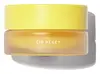
This hydrating lip mask is formulated around Butyrospermum Parkii Butter and Simmondsia Chinensis Seed Oil to hydrate lips and strengthen the lip barrier.
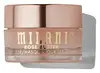
This hydrating lip mask is formulated around Butyrospermum Parkii Butter and Rosa Canina Fruit Oil to hydrate lips and strengthen the lip barrier.

What's inside
What's inside
 Key Ingredients
Benefits
Concerns
Ingredients Side-by-side
Diisostearyl Malate
EmollientHydrogenated Poly(C6-14 Olefin)
EmollientPolybutene
Phytosteryl/Isostearyl/Cetyl/Stearyl/Behenyl Dimer Dilinoleate
Skin Conditioning

Microcrystalline Wax
Emulsion StabilisingButyrospermum Parkii Butter
Skin Conditioning




Synthetic Wax
Abrasive
Isostearyl Alcohol
Emollient
Ethylene/Propylene/Styrene Copolymer
Persea Gratissima Oil
Skin Conditioning
Olea Europaea Leaf Extract
Perfuming
Glycerin
Humectant
Simmondsia Chinensis Seed Oil
Emollient
Theobroma Grandiflorum Seed Butter
Skin Conditioning
Tetrahexyldecyl Ascorbate
Antioxidant





Sodium Hyaluronate
Humectant

Copernicia Cerifera Wax
Diethylhexyl Syringylidenemalonate
Skin Protecting
Pentaerythrityl Tetra-Di-T-Butyl Hydroxyhydrocinnamate
Antioxidant
Caprylic/Capric Glycerides
EmollientButylene/Ethylene/Styrene Copolymer
Ricinus Communis Seed Oil
Masking
Cyamopsis Tetragonoloba Gum
Emulsion StabilisingXanthan Gum
EmulsifyingParfum
Masking

Siraitia Grosvenorii Fruit Extract
Skin ConditioningTocopheryl Acetate
Antioxidant
Hydrogenated Castor Oil
Emollient
Isopropyl Titanium Triisostearate
Emollient
CI 19140
Cosmetic ColorantTitanium Dioxide
Cosmetic Colorant
Citric Acid
Buffering
Tocopherol
Antioxidant
Benzyl Alcohol
Perfuming


Benzyl Benzoate
Antimicrobial
Limonene
Perfuming
Linalool
Perfuming
Diisostearyl Malate, Hydrogenated Poly(C6-14 Olefin), Polybutene, Phytosteryl/Isostearyl/Cetyl/Stearyl/Behenyl Dimer Dilinoleate, Microcrystalline Wax, Butyrospermum Parkii Butter, Synthetic Wax, Isostearyl Alcohol, Ethylene/Propylene/Styrene Copolymer, Persea Gratissima Oil, Olea Europaea Leaf Extract, Glycerin, Simmondsia Chinensis Seed Oil, Theobroma Grandiflorum Seed Butter, Tetrahexyldecyl Ascorbate, Sodium Hyaluronate, Copernicia Cerifera Wax, Diethylhexyl Syringylidenemalonate, Pentaerythrityl Tetra-Di-T-Butyl Hydroxyhydrocinnamate, Caprylic/Capric Glycerides, Butylene/Ethylene/Styrene Copolymer, Ricinus Communis Seed Oil, Cyamopsis Tetragonoloba Gum, Xanthan Gum, Parfum, Siraitia Grosvenorii Fruit Extract, Tocopheryl Acetate, Hydrogenated Castor Oil, Isopropyl Titanium Triisostearate, CI 19140, Titanium Dioxide, Citric Acid, Tocopherol, Benzyl Alcohol, Benzyl Benzoate, Limonene, Linalool
Diisostearyl Malate
EmollientHydrogenated Poly(C6-14 Olefin)
EmollientPolybutene
Phytosteryl/Isostearyl/Cetyl/Stearyl/Behenyl Dimer Dilinoleate
Skin Conditioning
Cera Microcristallina
Emulsion StabilisingButyrospermum Parkii Butter
Skin Conditioning
Synthetic Wax
Abrasive
Isostearyl Alcohol
Emollient
Ethylene/Propylene/Styrene Copolymer
Copernicia Cerifera Cera
Emollient
Theobroma Grandiflorum Seed Butter
Skin Conditioning
Rosa Canina Fruit Oil
Emollient
Diethylhexyl Syringylidenemalonate
Skin Protecting
Butylene/Ethylene/Styrene Copolymer
Ricinus Communis Seed Oil
Masking
Siraitia Grosvenorii Fruit Extract
Skin ConditioningAroma
Tocopheryl Acetate
Antioxidant
Caprylic/Capric Glycerides
EmollientHydrogenated Castor Oil
Emollient
Pentaerythrityl Tetra-Di-T-Butyl Hydroxyhydrocinnamate
Antioxidant
Sodium Hyaluronate
Humectant
Isopropyl Titanium Triisostearate
Emollient
Tocopherol
Antioxidant
Benzyl Benzoate
Antimicrobial
Geraniol
Perfuming
Citronellol
Perfuming
CI 77891
Cosmetic ColorantCI 73360
Cosmetic ColorantCI 19140
Cosmetic ColorantCI 15850
Cosmetic ColorantDiisostearyl Malate, Hydrogenated Poly(C6-14 Olefin), Polybutene, Phytosteryl/Isostearyl/Cetyl/Stearyl/Behenyl Dimer Dilinoleate, Cera Microcristallina, Butyrospermum Parkii Butter, Synthetic Wax, Isostearyl Alcohol, Ethylene/Propylene/Styrene Copolymer, Copernicia Cerifera Cera, Theobroma Grandiflorum Seed Butter, Rosa Canina Fruit Oil, Diethylhexyl Syringylidenemalonate, Butylene/Ethylene/Styrene Copolymer, Ricinus Communis Seed Oil, Siraitia Grosvenorii Fruit Extract, Aroma, Tocopheryl Acetate, Caprylic/Capric Glycerides, Hydrogenated Castor Oil, Pentaerythrityl Tetra-Di-T-Butyl Hydroxyhydrocinnamate, Sodium Hyaluronate, Isopropyl Titanium Triisostearate, Tocopherol, Benzyl Benzoate, Geraniol, Citronellol, CI 77891, CI 73360, CI 19140, CI 15850
Ingredients Explained
These ingredients are found in both products.
Ingredients higher up in an ingredient list are typically present in a larger amount.
Benzyl Benzoate is usually created from the condensation of benzoic acid and benzyl alcohol. It is used as a preservative, solvent, and has a floral/balsamic scent in large amounts.
As a preservative, Benzyl Benzoate works against bacteria and fungus. It is often used to treat scabies and lice in medicine.
Solvents are used to keep ingredients together in a product. They can help dissolve ingredients to stable bases or help evenly distribute ingredients throughout the product.
Due to its fragrance, Benzyl Benzoate can be sensitizing and may cause contact dermatitis. It is a known EU allergen. We recommend speaking with a professional if you have any concerns.
Benzyl Benzoate can be naturally found in cranberries and peaches.
Learn more about Benzyl BenzoateThis ingredient is a high-molecular weight synthetic polymer. It is used to modify the viscosity of a formula, improve slip, and create a more "cushiony" texture.
Due to its large molecular size, this ingredient is not absorbed into the skin.
This ingredient is also known as shea butter. It is a plant-derived extract from the nuts of the Africa shea tree and one of the most well-studied emollients.
Because it has a high concentration of fatty acids (primarily oleic, stearic, and linoleic) it is able to form a protective barrier on the skin's surface. This helps seal in moisture and prevents transepidermal water loss (TEWL).
In vitro research found an increase in skin hydration by 58% and a decrease in TEWL by 37.8% after 24 hours of applying this ingredient (pretty impressive for a single ingredient!).
Besides hydration, shea butter also contains triterpenes that have anti-inflammatory potential. In particule, lupeol cinnamate has shown the highest anti-inflammatory activity in vivo.
Shea butter also contains vitamins A and E which may contribute to antioxidant activity.
While Shea Butter has an SPF rating of about 3-4, it is not a sunscreen replacement.
This ingredient may not be fungal acne safe because its fatty acids fall within the C11-C24 range that the Malassezia yeast can metabolize.
This ingredient shows up on a lot of "pore-clogging" lists but there's no real evidence behind that. It doesn't even have a comedogenic rating from an actual study; the numbers you'll find online come from blogs citing other blogs.
Ratings for other ingredients mostly come from a 1980s rabbit ear test. This test doesn't translate well to human skin or to real products because the ingredient sits at a much lower percentage.
Some people still find it breaks them out. So if that's you, definitely trust your skin. Just know this one's based on experience and not evidence.
Learn more about Butyrospermum Parkii ButterCaprylic/capric glycerides are a mixture of fats from caprylic and capric acids.
As an emollient, Caprylic/Capric Glycerides helps soften and moisturize the skin. Emollients create a moisture-trapping film on the skin.
Emulsifiers prevent ingredients from separating.
Learn more about Caprylic/Capric GlyceridesCI 19140 is also known as Tartrazine. Tartrazine is a synthetic dye used in cosmetics, foods, and medicine to add a yellow color.
Tartrazine is created from petroleum and is water-soluble.
Some people may experience allergies from this dye, especially asthmatics and those with an aspirin intolerance.
Learn more about CI 19140Diethylhexyl Syringylidenemalonate (DESM) is a photostabilizer, antioxidant, and SPF booster.
One of DESM's main roles is stabilizing UV filters, especially avobenzone. Avobenzone is notoriously unstable when exposed to sunlight. By enhancing the stability of these filters, DESM helps maintain the sunscreen's effectivess through wear. It also helps improve protection against long-wave UVA rays by increasing the wavelength of the formula.
Besides enhancing UVA protection, DESM can boost the SPF of high-SPF formulations by up to 5 units.
DESM also preserves the color integrity of cosmetic products and helps reduce the chance of yellowing of fading due to light exposure.
This ingredient is typically found in concentrations between 0.3% - 0.5%. There are currently no maximum usage limits by regulatory bodies.
Though this ingredient is a chemical UV filter, it can often be found in "100% mineral" sunscreens. This is due to regulatory loopholes.
Learn more about Diethylhexyl SyringylidenemalonateDiisostearyl Malate is an emollient and most often used in lip products. It comes from isostearyl alcohol, a fatty acid, and malic acid, an AHA.
As an emollient, Diisostearyl Malate helps create a thin film on your skin to trap moisture in. This helps keep your skin soft and smooth.
This is a synthetic polymer used to thicken formulas, improve texture, and enhance spreadability.
Due to its large molecule size, this ingredient does not penetrate the skin and is considered well-tolerated.
Hydrogenated Castor Oil (aka "castor wax") is what you get when castor oil is turned into a wax.
Its dominant fatty acid is ricinoleic acid, giving it both emollient and mild humectant properties.
According to EU CosIng, this ingredient helps soften skin, keep oil and water stay mixed, and thickens products.
Hydrogenated castor oil at 30% did not trigger a positive patch-test reaction and is well-tolerated.
Since this ingredient is based on an 18-carbon fatty acid, it falls into the chain-length range that Malassezia can feed on and may not be fungal acne safe.
Learn more about Hydrogenated Castor OilThis ingredient is a synthetic ingredient with emollient and skin conditioner used to make skincare products feel more lightweight on the skin. It helps improve slip and spreadability without feeling greasy.
Because it is high molecular weight and lipophilic (oil loving), it remains on the surface of skin.
This ingredient is an synthetic emollient, emulsifier, and used as a surface treatment for pigment particles (like iron oxides or titanium dioxide).
The “triisostearate” part of this ingredient is an ester derived from isostearic acid, a long-chain fatty acid.
It "wraps" these ingredients in a form of slippery jacket so they disperse more evenly in oils, glide better on skin, and stick longer without smudging.
Human repeat insult patch tests on foundations containing this ingredient found no sensitization concerns.
Since isostearic acid is a C18 fatty acid, it falls within the carbon chain length that Malassezia can potentially metabolize. This is why this ingredient may not be fungal acne safe.
Learn more about Isopropyl Titanium TriisostearateIsostearyl Alcohol is a type of fatty alcohol. It's made by hydrogenating isostearic acid from plant oils (usually coconut or soybean)
Though it has "alcohol" in the name, it is not the same as solvent alcohols like alcohol denatured.
It has three roles in skincare:
Clinical patch testing found 25% of Isostearyl Alcohol in petrolatum showed only mild irritation in a small minority (your product will not have nearly as high of an amount).
This ingredient may not be fungal acne safe because it sits in the C11-C24 range that feeds the Malassezia yeast.
One last thing, the FDA allows "alcohol-free" products to contain fatty alcohols.
Learn more about Isostearyl AlcoholPentaerythrityl Tetra-Di-T-Butyl Hydroxyhydrocinnamate (long name, huh?) is a synthetic antioxidant.
It is used to help stabilize other antioxidants or prevent the color from changing in a product.
As an antioxidant, it helps fight free-radical molecules. Free-radical molecules are capable of damaging our cells and other genetic material. Thus, antioxidants may reduce the signs of aging.
This ingredient is oil-soluble.
Learn more about Pentaerythrityl Tetra-Di-T-Butyl HydroxyhydrocinnamateThis is a plant-derived ester that functions as a skin conditioner. It's basically a two linoleic acid molecules combined with fatty alcohols.
In practice, it works as a rich emollient that helps reduce moisture loss and give skin a soft appearance.
The phytosterol part of this ingredient brings an added structural bonus: phytosterols are structurally similar to cholesterol so they can fit right into the stratum corneum's lipid matrix to help reinforce the skin barrier.
Due to its molecular structure, this ingredient delivers a cushiony and glossy feeling without being excessively greasy.
It did not produce skin irritation or sensitization in clinical studies, and this ingredient is deemed safe to use in cosmetics at current practices.
Because this ingredient contains C16, C18, and C22 fatty chains, it may not be Malassezia/fungal acne safe. The Malassezia yeast potentially feeds on fatty acids in the C11-C24 range.
Learn more about Phytosteryl/Isostearyl/Cetyl/Stearyl/Behenyl Dimer DilinoleatePolybutene is used to help control the viscosity of a product. This just means it helps adjusts the texture.
It is a polymer and does not get absorbed into the skin due to its large size.
Studies found this ingredient did not irritate skin in concentrations below 15%.
Learn more about PolybuteneThis ingredient is also known as castor oil. It is a skin conditioning ingredient.
The star component of castor oil is ricinoleic acid, an unusual fatty acid that makes up ~80-92% of its composition.
In skincare, it is an emollient that dries down to a solid film with water-binding properties. This helps keep skin hydrated and helps reduce transepidermal water loss (TEWL).
A 2026 dermatology review pulls together its broader uses:
Human clinical testing found this ingredient to be non-irritating and non-sensitizing.
Because castor oil contains fatty acids in the C11-24 range, this ingredient may not be fungal acne safe.
At this time, the literature does not support castor oil in regrowing hair. A 2022 systematic review found no strong evidence that it supports hair growth and only weak evidence that it improves hair shine.
Castor oil itself carries "perfuming" and "masking" function tags according to the official CosIng database. This is because of its mild odor and odor-dampening properties.
Learn more about Ricinus Communis Seed OilWe don't have a description for Siraitia Grosvenorii Fruit Extract yet.
Sodium Hyaluronate is the salt form of hyaluronic acid. It is a long sugar chain that is naturally found in your skin, joints, and connective tissue that maintains hydration and elasticity.
In skincare, it works as a humectant. It pulls water from the environment and deeper layers of skin and binds it to the surface.
Interestingly, the size of the molecule affects its behavior:
Some clinical evidence links low molecular weight versions to improved wrinkle depth, elasticity, anti-inflammatory effects, and barrier repair.
Many serums use a blend of both weights so you can get surface hydration plus longer-lasting and deeper effects.
You'll typically see concentrations between 0.1-2% for this ingredient.
Learn more about Sodium HyaluronateSynthetic Wax is a manufactured hydrocarbon wax. In formulas, it works as an occlusive emollient that helps reduce water loss and improves the spreadability of products.
Research comparing synthetic wax to traditional mineral-derived products found that formulas containing it perform as well for skin hydration.
It is considered non-comedogenic and vegan-friendly.
This ingredient has a well-established safety record by the CIR Expert Panel for Cosmetic Ingredient Safety.
Synthetic Waxes are straight/branched-chain hydrocarbons with no ester bond or fatty acids. That means there is nothing for the Malassezia yeast to feed on.
Learn more about Synthetic WaxThis ingredient is also known as cupuacu butter. It's a soft, creamy plant fat that works as a skin-conditioning agent and often marketed as the plant-based alternative to lanolin.
The composition of this butter is dominated by oleic acid, stearic acid, and smaller amounts of palmitic, linoleic, and arachidic acids. There's also a useful dose of phystosterols.
That fatty-acid-and-sterol combo is why this ingredient behaves like a richer cousin of shea butter: the lipids reinforce the skin's surface and slow water loss while the sterols help support the barrier.
There's some early research too: a mouse study found cupuacu butter emulgels had antioxidant activity and a measurable photoprotective effect against UVB damage.
Overall, this is a well-tolerated ingredient but those prone to congestion might prefer formulations with lower concentrations.
Fungal acne: Cupuacu butter's fatty acids are mostly "locked up" in triglycerides that Malassezia can't easily feed on, but the yeast can slowly break these down to access the free fatty acids. Therefore, ingredient may not be fungal acne safe.
Learn more about Theobroma Grandiflorum Seed ButterTocopherol is a fat-soluble antioxidant known as Vitamin E.
You'll find this ingredient in the vast majority of skincare (for good reason). It works to neutralize free radicals, or unstable molecules generated by UV exposure, pollution, and other environmental stressors, before they can cause oxidative damage to your skin cells.
Topically applied tocopherol has been shown to protect against UV damage by ramping up the skin's own natural defense enzymes.
It also acts as a skin conditioning agent; some studies show that regular topical use can improve the skin's water-binding capacity over 2-4 weeks.
This ingredient is especially loved for being a team player. When combined with Vitamin C, the photoprotective effect of both ingredients roughly doubles and the combo also helps reduce UV-induced DNA damage.
This ingredient has some brightening potential but it's more of a prevention ingredient than spot-fader. Cell studies show it can slow down melanin production but it's worth noting that it's not the most powerful brightener out there.
In formulations, it also serves as a stabilizer that helps protect other oxidation-prone ingredients from degrading.
Concentrations usually range from 0.1-1% in most leave-on products.
Learn more about TocopherolTocopheryl Acetate is a stable, shelf-friendly form of vitamin E.
Formulators love it because plain vitamin E oxidizes quickly once it hits air. This acetate version stays stable and resists going off, helping to extend a product's shelf life.
It's actually inactive on its own and works like a slow-release "storage" form; the enzymes in your skin called esterases gradually convert it into active vitamin E over time.
One in vivo study showed 5% of the acetate in the living layer of the epidermis converted to vitamin E after 5 days of application. This study also found the skin gained protection against UV damage even though the conversion was slow and small.
Once converted, vitamin E acts as a skin's main fat-soluble antioxidant that fights free radicals to protect skin from damage.
Topical vitamin E generally boosts the skin's photoprotection, and it reduced UV-damage in animal models.
This ingredient has some brightening potential but it's more of a prevention ingredient than spot-fader. Cell studies show it can slow down melanin production but it's worth noting that it's not the most powerful brightener out there.
Overall, it has a pretty solid safety profile and has been found to be non-irritating and non-comedogenic. Allergic reactions may happen but stay rare due to how widely the ingredient gets used.
The concentration will vary depending on the formula; industry data shows 0.1% in baby lotions, 3% in lipsticks, and 5% in foot powders. You can also find this ingredient at 100% in a pure vitamin E oil.
Most leave-on skincare keeps it at the lower end, often between 0.5-1%.
Learn more about Tocopheryl Acetate

