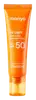
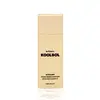
ma:nyo Air Light Moisturizing Sunscreen Cream SPF 50 Versus Koolsol Ultra Light Invisible Mineral Sunscreen Broad Spectrum SPF 50
This chemical sunscreen covers burning UVB and near UVA but not the deep UVA that drives aging.
This hybrid sunscreen covers the full UV range and blocks ~98% of UVB at SPF 50.

What's inside
What's inside
 Key Ingredients
Benefits
Concerns
Ingredients Side-by-side
Phenylbenzimidazole Sulfonic Acid 2.5%
UV Absorber
Homosalate 5%
Skin Conditioning
Ethylhexyl Salicylate 4.5%
UV Absorber
Octocrylene 5%
UV Absorber

Water
Skin ConditioningButyloctyl Salicylate
Skin Conditioning
Ethylhexyl Methoxycrylene
Skin Conditioning
Propanediol
Solvent

Benzotriazolyl Dodecyl P-Cresol
UV AbsorberMethyl Methacrylate Crosspolymer

Pentylene Glycol
Skin Conditioning
Polymethylsilsesquioxane

Methylpropanediol
Solvent1,2-Hexanediol
Skin Conditioning
Aminomethyl Propanol
BufferingHydroxyethyl Urea
Humectant
Behenyl Alcohol
Emollient
Dimethiconol
Emollient
Butylene Glycol
Humectant
C11-13 Isoparaffin
Solvent
Dipropylene Glycol
HumectantIsododecane
EmollientPolyglyceryl-3 Methylglucose Distearate
Emulsifying

Tromethamine
BufferingPolyacrylic Acid
Emulsion StabilisingPoly C10-30 Alkyl Acrylate
Emulsion StabilisingCedrus Atlantica Bark Oil
Masking



Hydroxyacetophenone
Antioxidant
Dimethicone/Vinyl Dimethicone Crosspolymer
Skin Conditioning
Polyether-1
Sphingomonas Ferment Extract
Skin Conditioning
Ethylhexylglycerin
Skin ConditioningSodium Stearoyl Glutamate
CleansingRosmarinus Officinalis Leaf Oil
Masking
Sodium Hyaluronate
Humectant

Biosaccharide Gum-1
Humectant
Salvia Sclarea Oil
Masking
Tocopherol
Antioxidant


Hydrolyzed Hyaluronic Acid
Humectant
Glycerin
Humectant
Niacinamide
Smoothing




Caprylic/Capric Triglyceride
Masking
Tranexamic Acid
Astringent
Hydrogenated Lecithin
Emulsifying
Polyglyceryl-4 Caprate
EmulsifyingPolyglyceryl-6 Caprate
CleansingPhenylbenzimidazole Sulfonic Acid 2.5%, Homosalate 5%, Ethylhexyl Salicylate 4.5%, Octocrylene 5%, Water, Butyloctyl Salicylate, Ethylhexyl Methoxycrylene, Propanediol, Benzotriazolyl Dodecyl P-Cresol, Methyl Methacrylate Crosspolymer, Pentylene Glycol, Polymethylsilsesquioxane, Methylpropanediol, 1,2-Hexanediol, Aminomethyl Propanol, Hydroxyethyl Urea, Behenyl Alcohol, Dimethiconol, Butylene Glycol, C11-13 Isoparaffin, Dipropylene Glycol, Isododecane, Polyglyceryl-3 Methylglucose Distearate, Tromethamine, Polyacrylic Acid, Poly C10-30 Alkyl Acrylate, Cedrus Atlantica Bark Oil, Hydroxyacetophenone, Dimethicone/Vinyl Dimethicone Crosspolymer, Polyether-1, Sphingomonas Ferment Extract, Ethylhexylglycerin, Sodium Stearoyl Glutamate, Rosmarinus Officinalis Leaf Oil, Sodium Hyaluronate, Biosaccharide Gum-1, Salvia Sclarea Oil, Tocopherol, Hydrolyzed Hyaluronic Acid, Glycerin, Niacinamide, Caprylic/Capric Triglyceride, Tranexamic Acid, Hydrogenated Lecithin, Polyglyceryl-4 Caprate, Polyglyceryl-6 Caprate
Zinc Oxide 10%
Cosmetic Colorant
Water
Skin ConditioningIsoamyl Laurate
Emollient
Propanediol
Solvent
Butyloctyl Salicylate
Skin Conditioning
C13-15 Alkane
SolventNiacinamide
Smoothing
Sodium Polyacryloyldimethyl Taurate
Emulsion StabilisingLauryl Glucoside
CleansingPolyhydroxystearic Acid
Emulsifying
Polyglyceryl-6 Laurate
Emulsifying
Silica
Abrasive
Ethyl Ferulate
Antioxidant
Hydrogenated Lecithin
Emulsifying
Polyglyceryl-6 Polyricinoleate
Emulsifying
Tocopheryl Acetate
Antioxidant
Ethylene Brassylate
MaskingHydroxyacetophenone
Antioxidant
Myristyl Glucoside
CleansingPongamia Pinnata Seed Extract
Skin ConditioningCaprylyl Glycol
Emollient
Eugenia Caryophyllus Bud Extract
Perfuming
Solidago Virgaurea Extract
Skin Conditioning1,2-Hexanediol
Skin Conditioning
Phenoxyethanol
Preservative
Biosaccharide Gum-4
Skin Conditioning
Panthenol
Skin Conditioning
Tremella Fuciformis Sporocarp Extract
Antioxidant
Glycerin
Humectant
Butylene Glycol
Humectant
Centella Asiatica Extract
Cleansing
Madecassoside
Antioxidant
Aloe Barbadensis Leaf Juice Powder
Skin Conditioning
Asiaticoside
Antioxidant
Zinc Oxide 10%, Water, Isoamyl Laurate, Propanediol, Butyloctyl Salicylate, C13-15 Alkane, Niacinamide, Sodium Polyacryloyldimethyl Taurate, Lauryl Glucoside, Polyhydroxystearic Acid, Polyglyceryl-6 Laurate, Silica, Ethyl Ferulate, Hydrogenated Lecithin, Polyglyceryl-6 Polyricinoleate, Tocopheryl Acetate, Ethylene Brassylate, Hydroxyacetophenone, Myristyl Glucoside, Pongamia Pinnata Seed Extract, Caprylyl Glycol, Eugenia Caryophyllus Bud Extract, Solidago Virgaurea Extract, 1,2-Hexanediol, Phenoxyethanol, Biosaccharide Gum-4, Panthenol, Tremella Fuciformis Sporocarp Extract, Glycerin, Butylene Glycol, Centella Asiatica Extract, Madecassoside, Aloe Barbadensis Leaf Juice Powder, Asiaticoside
Reviews
Ingredients Explained
These ingredients are found in both products.
Ingredients higher up in an ingredient list are typically present in a larger amount.
1,2-Hexanediol is a synthetic liquid and another multi-functional powerhouse.
It is a:
- Humectant, drawing moisture into the skin
- Emollient, helping to soften skin
- Solvent, dispersing and stabilizing formulas
- Preservative booster, enhancing the antimicrobial activity of other preservatives
Butylene Glycol (or BG) is used within cosmetic products for a few different reasons:
Overall, Butylene Glycol is a safe and well-rounded ingredient that works well with other ingredients.
Though this ingredient works well with most skin types, some people with sensitive skin may experience a reaction such as allergic rashes, closed comedones, or itchiness.
Learn more about Butylene GlycolButyloctyl Salicylate is a chemical UV filter structurally similar to octisalate. It is a photostabilizer, SPF booster, emollient and solvent. This ingredient helps evenly spread out ingredients.
According to a manufacturer, it is suitable for pairing with micro Titanium Dioxide, Zinc Oxide, and pigments.
Photostabilizers help stabilize UV-filters and prevents them from degrading quickly.
Learn more about Butyloctyl SalicylateGlycerin (or glycerol) is a compound naturally found in your skin. It's a powerhouse humectant that pulls water into the stratum corneum.
Topically, glycerin does several things at once:
Your skin makes glycerin on its own (mostly from sebaceous oil breakdown) and shuttles it to your outermost layer of skin, or your epidermis, via aquaporin-3.
Aquaporin-3 is a transporter that is essential for normal skin hydration, elasticity, and repair. Interestingly, mice lacking in AQP3 have dry and less elastic skin that can be fully corrected with glycerin.
This ingredient is non-irritating, plays well with almost every ingredient, and works across all skin types. Typical use is anywhere between 3-10% but can go up to 79% in some leave-on products.
Just know very high concentrations (>40%) can feel tacky in low humidity.
Glycerin is the name for this ingredient in American English. British English uses Glycerol/Glycerine.
Learn more about GlycerinHydrogenated Lecithin is a more stable version of lecithin.
It's made by taking lecithin (a phospholipid commonly found in soybeans and egg yolks) and hydrogenating it. This just means the unsaturated fatty acids are turned into saturated ones so they don't go bad as easily.
This ingredient is an emollient, emulsifier, and penetration enhancer. As an emollient, it helps soften and hydrate skin by trapping moisture within. As an emulsifier, it prevents oil and water ingredients from separating.
Hydrogenated Lecithin can form tiny spherical structures made of phospholipid bilayers called liposomes. These liposomes are able to capture compounds inside their structure and deliver them through the skin barrier.
Because phospholipids are a natural component of our cell membranes, this ingredient is inherently compatible with skin.
A 2021 study found lecithin-based surfactants were less harsh and more tolerable comared to Sodium Lauryl Sulfate (SLS).
Learn more about Hydrogenated LecithinHydroxyacetophenone is a small phenolic molecule that earns its place in a formulas as an antioxidant and preservative booster.
As a phenol, it is able to neutralize free radicals to protect both the product and the skin from oxidative stress.
Though it can't kill microbes on its own, it works as a good supporting agent when combined with other preservatives like Phenoxyethanol or 1,2-Hexanediol.
This ingredient naturally occurs as piceol in Norwegian spruce needles (~0.4-1.1% dry weight and in cloudberries). Though the cosmetic-grade material is synthesized for purity and consistency.
You'll usually see it used at low levels and suppliers recommend up to 1% added to a water phase.
Safety testing was done at concentrations like 0.05% in SPF products and 0.5% in a Human Repeated Insult Patch Test. The safety evidence is assuring; this ingredient is safe for cosmetics in current use and also holds safety status as a food flavoring as well.
An honest caveat: the "soothing" and "anti-inflammatory" claims come mostly from supplier marketing rather than published clinical trials. The Cosmetic Ingredient Review's own literature search found no useful efficacy studies on this ingredient.
So the antioxidant and preservative-boosting roles are the well supported ones while the calming benefit is plausible but thinly evidenced.
Overall, this is a well-tolerated, low-irritation multitasker that quietly helps a formula stay fresh and stable.
Learn more about HydroxyacetophenoneNiacinamide is a multitasking form of vitamin B3 that strengthens the skin barrier, reduces pores and dark spots, regulates oil, and improves signs of aging.
And the best part? It's gentle and well-tolerated by most skin types, including sensitive and reactive skin.
You might have heard of "niacin flush", or the reddening of skin that causes itchiness. Niacinamide has not been found to cause this.
In very rare cases, some individuals may not be able to tolerate niacinamide at all or experience an allergic reaction to it.
If you are experiencing flaking, irritation, and dryness with this ingredient, be sure to double check all your products as this ingredient can be found in all categories of skincare.
When incorporating niacinamide into your routine, look out for concentration amounts. Typically, 5% niacinamide provides benefits such as fading dark spots. However, if you have sensitive skin, it is better to begin with a smaller concentration.
When you apply niacinamide to your skin, your body converts it into nicotinamide adenine dinucleotide (NAD). NAD is an essential coenzyme that is already found in your cells as "fuel" and powers countless biological processes.
In your skin, NAD helps repair cell damage, produce new healthy cells, support collagen production, strengthen the skin barrier, and fight environmental stressors (like UV and pollution).
Our natural NAD levels start to decline with age, leading to slower skin repair, visible aging, and a weaker skin barrier. By providing your skin niacinamide, you're recharging your skin's NAD levels. This leads to stronger, healthier, and younger looking skin.
Another name for vitamin B3 is nicotinamide. This vitamin is water-soluble and our bodies don't store it. We obtain Vitamin B3 from either food or skincare. Meat, fish, wheat, yeast, and leafy greens contain vitamin B3.
The type of niacinamide used in skincare is synthetically created.
Learn more about NiacinamidePropanediol is an all-star ingredient. It softens, hydrates, and smooths the skin.
It’s often used to:
Propanediol is not likely to cause sensitivity and considered safe to use. It is derived from corn or petroleum with a clear color and no scent.
Learn more about PropanediolWater. It's the most common cosmetic ingredient of all. You'll usually see it at the top of ingredient lists, meaning that it makes up the largest part of the product.
So why is it so popular? Water most often acts as a solvent - this means that it helps dissolve other ingredients into the formulation.
You'll also recognize water as that liquid we all need to stay alive. If you see this, drink a glass of water. Remember to stay hydrated!
Learn more about Water

