

What's inside
What's inside
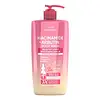 Key Ingredients
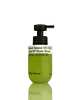
Benefits
Concerns
Ingredients Side-by-side
Water
Skin ConditioningSodium Laureth Sulfate
Cleansing



Cocamidopropyl Betaine
Cleansing

Sodium Chloride
MaskingGlycerin
Humectant


Parfum
Masking

Citric Acid
Buffering

Tetrasodium EDTA
ChelatingNiacinamide
Smoothing








Sodium Ascorbyl Phosphate
Antioxidant

Tocopheryl Acetate
Antioxidant
Alpha-Arbutin
Antioxidant
Methylchloroisothiazolinone
Preservative
Methylisothiazolinone
Preservative
CI 17200
Cosmetic ColorantPentylene Glycol
Skin Conditioning
Sodium Hyaluronate Crosspolymer
Humectant
Sodium Hyaluronate
Humectant
Sodium Acetylated Hyaluronate
Humectant
Hydrolyzed Sodium Hyaluronate
Skin Conditioning
Ethylhexylglycerin
Skin ConditioningWater, Sodium Laureth Sulfate, Cocamidopropyl Betaine, Sodium Chloride, Glycerin, Parfum, Citric Acid, Tetrasodium EDTA, Niacinamide, Sodium Ascorbyl Phosphate, Tocopheryl Acetate, Alpha-Arbutin, Methylchloroisothiazolinone, Methylisothiazolinone, CI 17200, Pentylene Glycol, Sodium Hyaluronate Crosspolymer, Sodium Hyaluronate, Sodium Acetylated Hyaluronate, Hydrolyzed Sodium Hyaluronate, Ethylhexylglycerin
Water
Skin ConditioningEthylhexyl Palmitate
Emollient


Sodium C14-16 Olefin Sulfonate
Cleansing
Disodium Cocoyl Glutamate
Cleansing
Sodium Lauroyl Sarcosinate
CleansingTrehalose
Humectant
Niacinamide
Smoothing
Cocamidopropyl Betaine
Cleansing
1,2-Hexanediol
Skin Conditioning
Hydroxyacetophenone
Antioxidant
Oenothera Biennis Oil
Emollient
Simmondsia Chinensis Seed Oil
Emollient
Triticum Vulgare Germ Oil
Emollient
Glycerin
Humectant
Potassium Cetyl Phosphate
EmulsifyingHelianthus Annuus Seed Oil
Emollient
Prunus Amygdalus Dulcis Oil
Skin Conditioning
Citric Acid
Buffering
Salicylic Acid
Masking
Betaine Salicylate
Antimicrobial
Sodium Chloride
MaskingSodium Lauryl Glycol Carboxylate
CleansingEthylhexylglycerin
Skin ConditioningBenzotriazolyl Dodecyl P-Cresol
UV AbsorberInulin Lauryl Carbamate
Emulsion StabilisingCitrus Aurantium Bergamia Fruit Oil
Masking
Trisodium Ethylenediamine Disuccinate
ChelatingButylene Glycol
Humectant
Glyceryl Acrylate/Acrylic Acid Copolymer
HumectantTocopheryl Acetate
Antioxidant
Sodium Citrate
BufferingVitis Vinifera Seed Oil
Emollient
Alcohol
Antimicrobial
Tris(Tetramethylhydroxypiperidinol)Citrate
StabilisingPogostemon Cablin Leaf Extract
Perfuming
Citrus Reticulata Peel Extract
Skin ConditioningPelargonium Graveolens Flower/Leaf/Stem Extract
MaskingCitrus Grandis Peel Oil
Masking
Salvia Sclarea Oil
Masking
Glycine
Buffering
Tetrasodium EDTA
ChelatingSantalum Album Oil
Masking
Camellia Sinensis Leaf Extract
Antimicrobial
Serine
Masking
Glutamic Acid
Humectant
Aspartic Acid
Masking
Leucine
Skin ConditioningVetiveria Zizanoides Root Oil
Masking
Alanine
Masking
Lysine
Skin ConditioningArginine
Masking
Tyrosine
MaskingPhenylalanine
Masking
Valine
MaskingThreonine
Proline
Skin Conditioning
Isoleucine
Skin ConditioningHistidine
Humectant
CI 42090
Cosmetic ColorantCI 17200
Cosmetic ColorantCI 19140
Cosmetic ColorantWater, Ethylhexyl Palmitate, Sodium C14-16 Olefin Sulfonate, Disodium Cocoyl Glutamate, Sodium Lauroyl Sarcosinate, Trehalose, Niacinamide, Cocamidopropyl Betaine, 1,2-Hexanediol, Hydroxyacetophenone, Oenothera Biennis Oil, Simmondsia Chinensis Seed Oil, Triticum Vulgare Germ Oil, Glycerin, Potassium Cetyl Phosphate, Helianthus Annuus Seed Oil, Prunus Amygdalus Dulcis Oil, Citric Acid, Salicylic Acid, Betaine Salicylate, Sodium Chloride, Sodium Lauryl Glycol Carboxylate, Ethylhexylglycerin, Benzotriazolyl Dodecyl P-Cresol, Inulin Lauryl Carbamate, Citrus Aurantium Bergamia Fruit Oil, Trisodium Ethylenediamine Disuccinate, Butylene Glycol, Glyceryl Acrylate/Acrylic Acid Copolymer, Tocopheryl Acetate, Sodium Citrate, Vitis Vinifera Seed Oil, Alcohol, Tris(Tetramethylhydroxypiperidinol)Citrate, Pogostemon Cablin Leaf Extract, Citrus Reticulata Peel Extract, Pelargonium Graveolens Flower/Leaf/Stem Extract, Citrus Grandis Peel Oil, Salvia Sclarea Oil, Glycine, Tetrasodium EDTA, Santalum Album Oil, Camellia Sinensis Leaf Extract, Serine, Glutamic Acid, Aspartic Acid, Leucine, Vetiveria Zizanoides Root Oil, Alanine, Lysine, Arginine, Tyrosine, Phenylalanine, Valine, Threonine, Proline, Isoleucine, Histidine, CI 42090, CI 17200, CI 19140
Ingredients Explained
These ingredients are found in both products.
Ingredients higher up in an ingredient list are typically present in a larger amount.
CI 17200 is a synthetic, water-soluble, reddish-pink dye. It is used purely as a cosmetic colorant.
In the US, the FDA permits this ingredient in cosmetics but it is not approved for use around the eyes while the EU allows this to be used in all cosmetic products.
The FDA requires batch-to-batch certification for this ingredient that is held to a pretty rigorous standard. That means the CI 17200 in your cosmetics has been tested and approved before it ever reaches you.
Contact allergy to cosmetic-grade dyes used at low concentrations are uncommon but has been documented before.
This ingredient also goes by the name D&C RED NO. 33.
CI 17200 has a comedogenic rating of 1 and an irritancy rating of 2 on a scale of 0-5. This is based on peer-reviewed research from the man who invented the comedogenic scale.
A 1 on the comedogenic scale is about as low as it gets without being a flat zero, and makes sense for CI 17200.
It's a water-soluble dye used at very small concentrations (typically 0.001-0.1%), so it dissolves into the water phase of a formula rather than sitting on your skin the way an oil or wax would.
The irritancy rating of 2 reflects that, like most synthetic dyes, there's a small possibility of mild irritation ( particularly for people with existing dye sensitivities).
For the vast majority of people, it's a non-issue at typical use levels.
It's also worth keeping in mind that comedogenic and irritancy ratings are tested on individual ingredients, not finished formulas. The final product's formulation, concentration, and other ingredients all play a role in how something actually behaves on your skin.
Just so you know, the FDA ban on Red Dye No. 3 refers to CI 45430, not this ingredient. CI 45430 and CI 17200 are different chemical compounds with distinct safety and regulatory histories.
It's also worth noting that Red No. 3 (CI 45430) was already banned from cosmetics back in 1990, so the 2025 action just extended the ban to food and oral drugs. CI 17200 was never part of any of this.
Learn more about CI 17200Citric Acid is an alpha hydroxy acid (AHA) naturally found in citrus fruits like oranges, lemons, and limes.
Like other AHAs, citric acid can exfoliate skin by breaking down the bonds that hold dead skin cells together. This helps reveal smoother and brighter skin underneath.
However, this exfoliating effect only happens at high concentrations (20%) which can be hard to find in cosmetic products.
Due to this, citric acid is usually included in small amounts as a pH adjuster. This helps keep products slightly more acidic and compatible with skin's natural pH.
In skincare formulas, citric acid can:
While it can provide some skin benefits, research shows lactic acid and glycolic acid are generally more effective and less irritating exfoliants.
Most citric acid used in skincare today is made by fermenting sugars (usually from molasses). This synthetic version is identical to the natural citrus form but easier to stabilize and use in formulations.
Rosacea skin has a lower threshold for acids generally, with 62.5% of rosacea subjects in one study reacting to lactic acid in a sting test. This is why we mark citric acid as a potential rosacea trigger.
However, this ingredient shows up as a pH adjuster or chelator at roughly 0.1-1% in many products. These low levels are unlikely to be an issue for rosacea skin and becomes a potential trigger at exfoliating concentrations (20%). Because everybody's skin is unique, we recommend a patch test if you are unsure.
Learn more about Citric AcidCocamidopropyl Betaine is a fatty acid created by mixing similar compounds in coconut oil and dimethylaminopropylamine, a compound with two amino groups.
This ingredient is a surfactant and cleanser. It helps gather the dirt, pollutants, and other impurities in your skin to be washed away. It also helps thicken a product and make the texture more creamy.
Being created from coconut oil means Cocamidopropyl Betaine is hydrating for the skin.
While Cocamidopropyl Betaine was believed to be an allergen, a study from 2012 disproved this. It found two compounds in unpure Cocamidopropyl Betaine to be the irritants: aminoamide and 3-dimethylaminopropylamine. High-grade and pure Cocamidopropyl Betaine did not induce allergic reactions during this study.
Learn more about Cocamidopropyl BetaineEthylhexylglycerin is created from glycerin. It is a multitasker ingredient that:
The CIR Expert Panel found minimal skin absorption or sensitization of any kind in a safety assessment. Though this ingredient is considered well-tolerated, a small number of cases of allergic dermatitis have been published since 2002. Just be sure to patch test if you are unsure.
Industry-reported use ranges from 8% in rinse-off products and 2% in leave-on formulations.
Learn more about EthylhexylglycerinGlycerin (or glycerol) is a compound naturally found in your skin. It's a powerhouse humectant that pulls water into the stratum corneum.
Topically, glycerin does several things at once:
Your skin makes glycerin on its own (mostly from sebaceous oil breakdown) and shuttles it to your outermost layer of skin, or your epidermis, via aquaporin-3.
Aquaporin-3 is a transporter that is essential for normal skin hydration, elasticity, and repair. Interestingly, mice lacking in AQP3 have dry and less elastic skin that can be fully corrected with glycerin.
This ingredient is non-irritating, plays well with almost every ingredient, and works across all skin types. Typical use is anywhere between 3-10% but can go up to 79% in some leave-on products.
Just know very high concentrations (>40%) can feel tacky in low humidity.
Glycerin is the name for this ingredient in American English. British English uses Glycerol/Glycerine.
Learn more about GlycerinNiacinamide is a multitasking form of vitamin B3 that strengthens the skin barrier, reduces pores and dark spots, regulates oil, and improves signs of aging.
And the best part? It's gentle and well-tolerated by most skin types, including sensitive and reactive skin.
You might have heard of "niacin flush", or the reddening of skin that causes itchiness. Niacinamide has not been found to cause this.
In very rare cases, some individuals may not be able to tolerate niacinamide at all or experience an allergic reaction to it.
If you are experiencing flaking, irritation, and dryness with this ingredient, be sure to double check all your products as this ingredient can be found in all categories of skincare.
When incorporating niacinamide into your routine, look out for concentration amounts. Typically, 5% niacinamide provides benefits such as fading dark spots. However, if you have sensitive skin, it is better to begin with a smaller concentration.
When you apply niacinamide to your skin, your body converts it into nicotinamide adenine dinucleotide (NAD). NAD is an essential coenzyme that is already found in your cells as "fuel" and powers countless biological processes.
In your skin, NAD helps repair cell damage, produce new healthy cells, support collagen production, strengthen the skin barrier, and fight environmental stressors (like UV and pollution).
Our natural NAD levels start to decline with age, leading to slower skin repair, visible aging, and a weaker skin barrier. By providing your skin niacinamide, you're recharging your skin's NAD levels. This leads to stronger, healthier, and younger looking skin.
Another name for vitamin B3 is nicotinamide. This vitamin is water-soluble and our bodies don't store it. We obtain Vitamin B3 from either food or skincare. Meat, fish, wheat, yeast, and leafy greens contain vitamin B3.
The type of niacinamide used in skincare is synthetically created.
Learn more about NiacinamideChances are, you eat sodium chloride every day. Sodium Chloride is also known as table salt. This ingredient has many purposes in skincare: thickener, emulsifier, and exfoliator.
You'll most likely find this ingredient in cleansers where it is used to create a gel-like texture. As an emulsifier, it also prevents ingredients from separating.
You might see people debate whether Sodium Chloride is comedogenic, but there actually haven't been any comedogenic tests done on it. Either way, the overall formulation of a product matters a lot more than any single ingredient.
You might see this ingredient used in scrubs as a primary exfoliating ingredient.
Learn more about Sodium ChlorideTetrasodium EDTA is the salt formed from neutralizing ethylenediamine tetraacetic acid with sodium hydroxide. It is a chelating agent and used to prevent metal ions from binding to other ingredients. This helps keep the product and ingredients stable.
Tetrasodium EDTA comes as a white solid and is soluble in water.
Tocopheryl Acetate is a stable, shelf-friendly form of vitamin E.
Formulators love it because plain vitamin E oxidizes quickly once it hits air. This acetate version stays stable and resists going off, helping to extend a product's shelf life.
It's actually inactive on its own and works like a slow-release "storage" form; the enzymes in your skin called esterases gradually convert it into active vitamin E over time.
One in vivo study showed 5% of the acetate in the living layer of the epidermis converted to vitamin E after 5 days of application. This study also found the skin gained protection against UV damage even though the conversion was slow and small.
Once converted, vitamin E acts as a skin's main fat-soluble antioxidant that fights free radicals to protect skin from damage.
Topical vitamin E generally boosts the skin's photoprotection, and it reduced UV-damage in animal models.
This ingredient has some brightening potential but it's more of a prevention ingredient than spot-fader. Cell studies show it can slow down melanin production but it's worth noting that it's not the most powerful brightener out there.
Overall, it has a pretty solid safety profile and has been found to be non-irritating and non-comedogenic. Allergic reactions may happen but stay rare due to how widely the ingredient gets used.
The concentration will vary depending on the formula; industry data shows 0.1% in baby lotions, 3% in lipsticks, and 5% in foot powders. You can also find this ingredient at 100% in a pure vitamin E oil.
Most leave-on skincare keeps it at the lower end, often between 0.5-1%.
Learn more about Tocopheryl AcetateWater. It's the most common cosmetic ingredient of all. You'll usually see it at the top of ingredient lists, meaning that it makes up the largest part of the product.
So why is it so popular? Water most often acts as a solvent - this means that it helps dissolve other ingredients into the formulation.
You'll also recognize water as that liquid we all need to stay alive. If you see this, drink a glass of water. Remember to stay hydrated!
Learn more about Water

