Luxe Organix Miracle Solutions Acne Derm + Gel Cleanser Versus Y.O.U Acne Plus Low PH Calming Cleanser
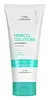
This salicylic acid gel cleanser is formulated around Salicylic Acid to clear breakouts and unclog pores.
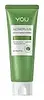
This salicylic acid foaming cleanser is formulated around Salicylic Acid to clear breakouts and unclog pores.


What's inside
What's inside
 Key Ingredients
Benefits
Concerns
Ingredients Side-by-side
Water
Skin ConditioningCocamidopropyl Betaine
Cleansing



Disodium Cocoamphodiacetate
CleansingCocamide DEA
Emulsifying
Sodium Chloride
MaskingAcrylates Copolymer
Potassium Cocoyl Glycinate
Surfactant
Potassium Cocoate
Emulsifying
Butylene Glycol
Humectant

Triethanolamine
BufferingMelaleuca Alternifolia Leaf Oil
Antioxidant





1,2-Hexanediol
Skin Conditioning
Caprylyl Glycol
Emollient
Hexylene Glycol
EmulsifyingDisodium EDTA
ChelatingNiacinamide
Smoothing








Salicylic Acid
Masking

Lactic Acid
Buffering
Glycolic Acid
Buffering
Melaleuca Alternifolia Leaf Extract
Perfuming
Gluconic Acid
Chelating
Mandelic Acid
Antimicrobial
Sodium Hydroxide
BufferingLactobionic Acid
Buffering
Sodium Hyaluronate Crosspolymer
Humectant
Anthemis Nobilis Flower Extract
Masking
Calendula Officinalis Flower Extract
Masking
Mentha Piperita Leaf Extract
Skin ConditioningThymus Vulgaris Extract
Perfuming
Chrysanthemum Parthenium Extract
Skin ConditioningLippia Citriodora Leaf Extract
Astringent
Bellis Perennis Flower Extract
Skin ConditioningOriganum Vulgare Leaf Extract
Skin ConditioningSalvia Officinalis Leaf Extract
CleansingUrtica Dioica Extract
AstringentEthylhexylglycerin
Skin ConditioningPentylene Glycol
Skin Conditioning
Hydroxyacetophenone
Antioxidant
Tocopherol
Antioxidant
Potassium Chloride
Water, Cocamidopropyl Betaine, Disodium Cocoamphodiacetate, Cocamide DEA, Sodium Chloride, Acrylates Copolymer, Potassium Cocoyl Glycinate, Potassium Cocoate, Butylene Glycol, Triethanolamine, Melaleuca Alternifolia Leaf Oil, 1,2-Hexanediol, Caprylyl Glycol, Hexylene Glycol, Disodium EDTA, Niacinamide, Salicylic Acid, Lactic Acid, Glycolic Acid, Melaleuca Alternifolia Leaf Extract, Gluconic Acid, Mandelic Acid, Sodium Hydroxide, Lactobionic Acid, Sodium Hyaluronate Crosspolymer, Anthemis Nobilis Flower Extract, Calendula Officinalis Flower Extract, Mentha Piperita Leaf Extract, Thymus Vulgaris Extract, Chrysanthemum Parthenium Extract, Lippia Citriodora Leaf Extract, Bellis Perennis Flower Extract, Origanum Vulgare Leaf Extract, Salvia Officinalis Leaf Extract, Urtica Dioica Extract, Ethylhexylglycerin, Pentylene Glycol, Hydroxyacetophenone, Tocopherol, Potassium Chloride
Water
Skin ConditioningSodium Laureth Sulfate
Cleansing
Cocamidopropyl Betaine
Cleansing
Sodium Lauryl Sulfate
Cleansing
Sodium Chloride
MaskingGlycol Distearate
Emollient
Acrylates Copolymer
Butylene Glycol
Humectant
Phenoxyethanol
Preservative
Sodium Benzoate
Masking
PEG-150 Distearate
Emulsifying
Cocamide Mea
Emulsifying
PEG-40 Hydrogenated Castor Oil
Emulsifying
Glycerin
Humectant
Centella Asiatica Extract
Cleansing
Salicylic Acid
Masking
Mentha Arvensis Leaf Oil
Masking
Sodium Hydroxide
BufferingDisodium EDTA
ChelatingLactobionic Acid
Buffering
Glycolic Acid
Buffering
Hamamelis Virginiana Extract
Antiseborrhoeic
Phellodendron Amurense Bark Extract
Skin ConditioningCitric Acid
Buffering
Methylparaben
Preservative

Propylparaben
Preservative
Hydroxyacetophenone
Antioxidant
1,2-Hexanediol
Skin Conditioning
Water, Sodium Laureth Sulfate, Cocamidopropyl Betaine, Sodium Lauryl Sulfate, Sodium Chloride, Glycol Distearate, Acrylates Copolymer, Butylene Glycol, Phenoxyethanol, Sodium Benzoate, PEG-150 Distearate, Cocamide Mea, PEG-40 Hydrogenated Castor Oil, Glycerin, Centella Asiatica Extract, Salicylic Acid, Mentha Arvensis Leaf Oil, Sodium Hydroxide, Disodium EDTA, Lactobionic Acid, Glycolic Acid, Hamamelis Virginiana Extract, Phellodendron Amurense Bark Extract, Citric Acid, Methylparaben, Propylparaben, Hydroxyacetophenone, 1,2-Hexanediol
Reviews
Ingredients Explained
These ingredients are found in both products.
Ingredients higher up in an ingredient list are typically present in a larger amount.
1,2-Hexanediol is a synthetic liquid and another multi-functional powerhouse.
It is a:
- Humectant, drawing moisture into the skin
- Emollient, helping to soften skin
- Solvent, dispersing and stabilizing formulas
- Preservative booster, enhancing the antimicrobial activity of other preservatives
Acrylates Copolymer is used as a film-forming agent and texture enhancer.
After applied, Acrylates Copolymer forms a thin film cover that helps skin feel more soft. It can help sunscreens become more water-resistant.
It is also used to make a product more thick.
Learn more about Acrylates CopolymerButylene Glycol (or BG) is used within cosmetic products for a few different reasons:
Overall, Butylene Glycol is a safe and well-rounded ingredient that works well with other ingredients.
Though this ingredient works well with most skin types, some people with sensitive skin may experience a reaction such as allergic rashes, closed comedones, or itchiness.
Learn more about Butylene GlycolCocamidopropyl Betaine is a fatty acid created by mixing similar compounds in coconut oil and dimethylaminopropylamine, a compound with two amino groups.
This ingredient is a surfactant and cleanser. It helps gather the dirt, pollutants, and other impurities in your skin to be washed away. It also helps thicken a product and make the texture more creamy.
Being created from coconut oil means Cocamidopropyl Betaine is hydrating for the skin.
While Cocamidopropyl Betaine was believed to be an allergen, a study from 2012 disproved this. It found two compounds in unpure Cocamidopropyl Betaine to be the irritants: aminoamide and 3-dimethylaminopropylamine. High-grade and pure Cocamidopropyl Betaine did not induce allergic reactions during this study.
Learn more about Cocamidopropyl BetaineDisodium EDTA is a chelating agent. It grabs onto and deactivates metal ions that sneak into your products from water, packaging, or air.
This ingredient mainly works behind the scenes and helps with:
On top of that, this ingredient can counteract the effects of hard water by binding to the minerals in it.
One thing worth knowing is that Disodium EDTA has been shown to be a mild penetration enhancer. It can help other ingredients absorb into skin more effectively which can be a double-edged sword (great for actives, but can also make the active too strong if you have sensitive skin).
Clinical patch testing showed no significant skin irritation at typical use concentrations and minimal dermal absorption.
You'll most likely see this ingredient near the end of an ingredient list. It's typically found in concentrations less than 1%.
Learn more about Disodium EDTAGlycolic Acid is arguably the most famous alpha hydroxy acid (AHA) with tons of research backing its benefits.
It is found naturally in sugar cane but the form used in skincare is usually synthetic for purity and stability.
Glycolic acid removes the top layer of dead skin cells to allow newer and fresher ones to emerge.
AHAs work by breaking down the structural “glue” that holds old skin cells in place. When that buildup is gone, your skin can renew itself more efficiently.
Research also shows glycolic acid stimulates collagen production, helping to firm and thicken the skin over time. This is one of its biggest advantages over other AHAs.
Overall, glycolic acid helps with:
Fun fact: Glycolic acid boosts skin hydration by helping it produce molecules that increase hyaluronic acid naturally.
To work best, glycolic acid products should have a pH between 3-4 (that’s where exfoliation is most effective but still gentle on skin).
The pH and concentration of a product are key to its effectiveness:
It is normal to feel a slight stinging sensation when using glycolic acid. This usually fades as your skin adjusts.
Because glycolic acid has the smallest molecular size in the AHA family, it can penetrate deeper, which enhances its effectiveness but also makes it more likely to irritate sensitive skin.
If your skin is very sensitive or prone to rosacea, glycolic acid may be too strong; in that case, try milder options like lactic acid or a PHA instead.
Recent studies suggest glycolic acid might even help protect against UV damage. But don’t skip sunscreen! Freshly exfoliated skin is more sensitive to the sun.
Glycolic acid is a skincare superstar. It smooths, brightens, hydrates, and firms the skin. Unless you’re highly sensitive, it’s well worth adding to your routine.
Read more about some other popular AHA's here:
Learn more about Glycolic AcidHydroxyacetophenone is a small phenolic molecule that earns its place in a formulas as an antioxidant and preservative booster.
As a phenol, it is able to neutralize free radicals to protect both the product and the skin from oxidative stress.
Though it can't kill microbes on its own, it works as a good supporting agent when combined with other preservatives like Phenoxyethanol or 1,2-Hexanediol.
This ingredient naturally occurs as piceol in Norwegian spruce needles (~0.4-1.1% dry weight and in cloudberries). Though the cosmetic-grade material is synthesized for purity and consistency.
You'll usually see it used at low levels and suppliers recommend up to 1% added to a water phase.
Safety testing was done at concentrations like 0.05% in SPF products and 0.5% in a Human Repeated Insult Patch Test. The safety evidence is assuring; this ingredient is safe for cosmetics in current use and also holds safety status as a food flavoring as well.
An honest caveat: the "soothing" and "anti-inflammatory" claims come mostly from supplier marketing rather than published clinical trials. The Cosmetic Ingredient Review's own literature search found no useful efficacy studies on this ingredient.
So the antioxidant and preservative-boosting roles are the well supported ones while the calming benefit is plausible but thinly evidenced.
Overall, this is a well-tolerated, low-irritation multitasker that quietly helps a formula stay fresh and stable.
Learn more about HydroxyacetophenoneLactobionic Acid is a PHA. PHAs are the gentle cousins to AHAS.
Like AHAs, they exfoliate the top layer of skin. Lactobionic acid also exhibits significant antioxidant activity.
PHAs are more gentle than AHAs due to their larger structure. This means they do not penetrate as deeply as AHAs and take a longer time to dissolve dead cells. Studies show PHAs do not cause as much irritation.
By removing dead skin cells, PHAs leave the skin brighter and with even-texture.
Learn more about Lactobionic AcidSalicylic Acid (also known as beta hydroxy acid or BHA) is a well-known ingredient for treating skin that struggles with acne and clogged pores. It exfoliates both the skin's surface and deep within the pores to help clear out buildup, control oil, and reduce inflammation.
Unlike AHAs (alpha hydroxy acids), salicylic acid is oil-soluble. This allows it to penetrate into pores which makes it especially effective for treating blackheads and preventing future breakouts.
Salicylic acid is also known for its soothing properties. It has a similar structure to aspirin and can calm inflamed or irritated skin, making it a good option for acne-prone skin that is also sensitive.
Concentrations of 0.5-2% are recognized by the U.S. FDA as an over-the-counter topical acne product.
It can cause irritation and/or dryness if one's skin already has a compromised moisture barrier, so it's best to focus on repairing that before introducing this ingredient into your routine.
While salicylic acid does not increase sun sensitivity, it’s still important to wear sunscreen daily to protect your skin.
If you are looking for the ingredient called BHA or Butylated Hydroxyanisole, click here.
Learn more about Salicylic AcidChances are, you eat sodium chloride every day. Sodium Chloride is also known as table salt. This ingredient has many purposes in skincare: thickener, emulsifier, and exfoliator.
You'll most likely find this ingredient in cleansers where it is used to create a gel-like texture. As an emulsifier, it also prevents ingredients from separating.
You might see people debate whether Sodium Chloride is comedogenic, but there actually haven't been any comedogenic tests done on it. Either way, the overall formulation of a product matters a lot more than any single ingredient.
You might see this ingredient used in scrubs as a primary exfoliating ingredient.
Learn more about Sodium ChlorideSodium Hydroxide is also known as lye or caustic soda. It is used to adjust the pH of products; many ingredients require a specific pH to be effective.
In small amounts, sodium hydroxide is considered safe to use. However, large amounts may cause chemical burns due to its high alkaline.
Your skin has a natural pH and acid mantle. This acid mantle helps prevent harmful bacteria from breaking through. The acid mantle also helps keep your skin hydrated.
"Alkaline" refers to a high pH level. A low pH level would be considered acidic.
Learn more about Sodium HydroxideWater. It's the most common cosmetic ingredient of all. You'll usually see it at the top of ingredient lists, meaning that it makes up the largest part of the product.
So why is it so popular? Water most often acts as a solvent - this means that it helps dissolve other ingredients into the formulation.
You'll also recognize water as that liquid we all need to stay alive. If you see this, drink a glass of water. Remember to stay hydrated!
Learn more about Water

