
What's inside
What's inside
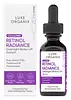 Key Ingredients
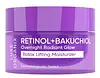
Benefits
Concerns
Ingredients Side-by-side
Water
Skin ConditioningPanthenol
Skin Conditioning




Butylene Glycol
Humectant
Caprylic/Capric Triglyceride
Masking
Sodium PCA
Humectant
Propanediol
Solvent
Ammonium Polyacryloyldimethyl Taurate
Emulsion StabilisingHydroxyacetophenone
Antioxidant
1,2-Hexanediol
Skin Conditioning
Dimethyl Isosorbide
SolventPentylene Glycol
Skin Conditioning
Niacinamide
Smoothing







Resveratrol
Antioxidant
Lactobacillus/Soymilk Ferment Filtrate
Skin ConditioningPolysorbate 20
Emulsifying
Retinol
Skin Conditioning

Allantoin
Skin Conditioning
Phenoxyethanol
Preservative
BHT
Antioxidant
BHA
Antioxidant
Water, Panthenol, Butylene Glycol, Caprylic/Capric Triglyceride, Sodium PCA, Propanediol, Ammonium Polyacryloyldimethyl Taurate, Hydroxyacetophenone, 1,2-Hexanediol, Dimethyl Isosorbide, Pentylene Glycol, Niacinamide, Resveratrol, Lactobacillus/Soymilk Ferment Filtrate, Polysorbate 20, Retinol, Allantoin, Phenoxyethanol, BHT, BHA
Water
Skin ConditioningCetearyl Alcohol
Emollient


Cetyl Ethylhexanoate
EmollientGlycerin
Humectant
Butylene Glycol Oleate
EmollientPropanediol
Solvent
Sorbitan Olivate
Emulsifying
1,2-Hexanediol
Skin Conditioning
Dimethicone
Emollient
Betaine
Humectant
Polyglyceryl-3 Methylglucose Distearate
Emulsifying
Arginine
Masking
Carbomer
Emulsion StabilisingAllantoin
Skin Conditioning
Panthenol
Skin Conditioning
Xanthan Gum
EmulsifyingSodium Hyaluronate
Humectant
Olea Europaea Fruit Oil
Masking

Simmondsia Chinensis Seed Oil
Emollient
Persea Gratissima Oil
Skin Conditioning
Vegetable Oil
Skin Conditioning
Bakuchiol
Antimicrobial
Retinyl Palmitate
Skin Conditioning
Retinol
Skin Conditioning
Arachis Hypogaea Oil
Skin Conditioning
Ascorbyl Glucoside
Antioxidant
Ascorbic Acid
Antioxidant
Tocopherol
Antioxidant
Polyglyceryl-10 Laurate
Skin Conditioning
Palmitoyl Tripeptide-1
Skin Conditioning
Copper Tripeptide-1
Skin Conditioning
Olea Europaea Leaf Extract
Perfuming
Zinc PCA
Humectant
Caprylyl Glycol
Emollient
Ethylhexylglycerin
Skin ConditioningDisodium EDTA
Polysorbate 20
Emulsifying
BHT
Antioxidant
BHA
Antioxidant
Water, Cetearyl Alcohol, Cetyl Ethylhexanoate, Glycerin, Butylene Glycol Oleate, Propanediol, Sorbitan Olivate, 1,2-Hexanediol, Dimethicone, Betaine, Polyglyceryl-3 Methylglucose Distearate, Arginine, Carbomer, Allantoin, Panthenol, Xanthan Gum, Sodium Hyaluronate, Olea Europaea Fruit Oil, Simmondsia Chinensis Seed Oil, Persea Gratissima Oil, Vegetable Oil, Bakuchiol, Retinyl Palmitate, Retinol, Arachis Hypogaea Oil, Ascorbyl Glucoside, Ascorbic Acid, Tocopherol, Polyglyceryl-10 Laurate, Palmitoyl Tripeptide-1, Copper Tripeptide-1, Olea Europaea Leaf Extract, Zinc PCA, Caprylyl Glycol, Ethylhexylglycerin, Disodium EDTA, Polysorbate 20, BHT, BHA
Reviews
Ingredients Explained
These ingredients are found in both products.
Ingredients higher up in an ingredient list are typically present in a larger amount.
1,2-Hexanediol is a synthetic liquid and another multi-functional powerhouse.
It is a:
- Humectant, drawing moisture into the skin
- Emollient, helping to soften skin
- Solvent, dispersing and stabilizing formulas
- Preservative booster, enhancing the antimicrobial activity of other preservatives
Allantoin is a soothing ingredient known for its protective and moisturizing properties; it's basically a quiet workhorse ingredient you can find in a huge range of cosmetics.
Though it can be derived from the comfrey plant, allantoin is produced synthetically for cosmetic products to ensure purity.
Research shows it can encourage your skin cells to turn over and renew by stimulating keratinocyte and fibroblast proliferation.
It also has mild keratolytic properties to help loosen and shed dead skin cells without being harsh.
Studies also suggest allantoin can help calm inflammation by dialing down some of the chemical signals your skin sends out when it is irritated.
This ingredient is typically used in the 0.1-0.5% range, and the FDA recognizes it as a skin protectant in OTC products up to 2%.
Overall, allantoin is a wonderful addition to most routines; it is stable across a wide pH range (~4-8), works well with other ingredients, and is considered non-sensitizing/non-irritating.
Fun fact: Allantoin is naturally occurring in comfrey root, beets, chamomile, and wheat sprouts. Our bodies even produce it as a byproduct of uric acid metabolism.
Learn more about AllantoinThe ingredient "BHA" stands for butylated hydroxyanisole. If you are looking for the beta-hydroxy acid, aka as Salicylic Acid, click here.
In cosmetics, butylated hydroxyanisole is used as a perservative. It also has antioxidant properties. The concentrations usually used in skincare are low and do not penetrate through skin.
It is only considered a carcinogen when ingested.
Butylated Hydroxyanisole is a synthetic and waxy petrochemical. It is used as a preservative in foods and cosmetics.
Learn more about BHABHT is a synthetic antioxidant and preservative.
As an antioxidant, it helps your body fight off free-radicals. Free-radicals are molecules that may damage your skin cells.
As a preservative, it is used to stabilize products and prevent them from degrading. Specifically, BHT prevents degradation from oxidation.
The concerns related to BHT come from oral studies; this ingredient is currently allowed for use by both the FDA and EU.
However, it was recently restricted for use in the UK as of April 2024.
Learn more about BHTPanthenol is a common ingredient that helps hydrate and soothe the skin. It is found naturally in our skin and hair.
There are two forms of panthenol: D and L.
D-panthenol is also known as dexpanthenol. Most cosmetics use dexpanthenol or a mixture of D and L-panthenol.
Panthenol is famous due to its ability to go deeper into the skin's layers. Using this ingredient has numerous pros (and no cons):
Like hyaluronic acid, panthenol is a humectant. Humectants are able to bind and hold large amounts of water to keep skin hydrated.
This ingredient works well for wound healing. It works by increasing tissue in the wound and helps close open wounds.
Once oxidized, panthenol converts to pantothenic acid. Panthothenic acid is found in all living cells.
This ingredient is also referred to as pro-vitamin B5.
Learn more about PanthenolPolysorbate 20 is a gentle, water-soluble emulsifier and mild surfactant. It stops oil and water from separating to keep your formulas blended and stable.
It also acts as a mild penetration enhancer by helping active ingredients absorb slightly better.
The common safety discussion around this ingredient involves a manufacturing byproduct called 1,4-dioxane.
Trace amounts can form during production but the EU's Scientific Committee on Consumer Safety has concluded that levels at/below 10 ppm in finished products are safe (commercial products consistently fall within acceptable margins).
True allergic reactions are uncommon and the CIR Expert Panel has confirmed this ingredient to be safe as used in cosmetics.
Because it is derived from lauric acid, it may not be fungal acne safe.
Learn more about Polysorbate 20Propanediol is an all-star ingredient. It softens, hydrates, and smooths the skin.
It’s often used to:
Propanediol is not likely to cause sensitivity and considered safe to use. It is derived from corn or petroleum with a clear color and no scent.
Learn more about PropanediolRetinol is a gold-standard ingredient for anti-aging. It is a form of Vitamin A and belongs to the class of retinoids that also includes tretinoin.
Why is retinol famous?
It has the most scientific studies backing up its skin benefits out of all the non-prescription ingredients.
Retinol is proven to:
This is why retinol is effective at removing wrinkles, fading dark spots, treating acne, and reducing the appearance of pores.
Studies show retinol is less effective when exposed to UV. Be sure to look for appropriate packaging to keep your retinol potent (similar to Vitamin C).
Using retinol or any retinoids will increase sun-sensitivity in the first few months. Though studies show retinoids increase your skin's natural SPF with continuous use, it is best to always wear sunscreen and sun-protection.
We recommend speaking with a medical professional about using this ingredient during pregnancy.
Retinol may cause irritation in some people, so be sure to patch test. Experts recommend 'ramping up' retinol use: start using this ingredient once a week and work up to using it daily.
Read about Tretinoin
Learn more about RetinolWater. It's the most common cosmetic ingredient of all. You'll usually see it at the top of ingredient lists, meaning that it makes up the largest part of the product.
So why is it so popular? Water most often acts as a solvent - this means that it helps dissolve other ingredients into the formulation.
You'll also recognize water as that liquid we all need to stay alive. If you see this, drink a glass of water. Remember to stay hydrated!
Learn more about Water
