

What's inside
What's inside
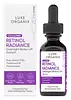 Key Ingredients
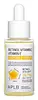
Benefits
Concerns
Ingredients Side-by-side
Water
Skin ConditioningPanthenol
Skin Conditioning




Butylene Glycol
Humectant
Caprylic/Capric Triglyceride
Masking
Sodium PCA
Humectant
Propanediol
Solvent
Ammonium Polyacryloyldimethyl Taurate
Emulsion StabilisingHydroxyacetophenone
Antioxidant
1,2-Hexanediol
Skin Conditioning
Dimethyl Isosorbide
SolventPentylene Glycol
Skin Conditioning
Niacinamide
Smoothing







Resveratrol
Antioxidant
Lactobacillus/Soymilk Ferment Filtrate
Skin ConditioningPolysorbate 20
Emulsifying
Retinol
Skin Conditioning

Allantoin
Skin Conditioning
Phenoxyethanol
Preservative
BHT
Antioxidant
BHA
Antioxidant
Water, Panthenol, Butylene Glycol, Caprylic/Capric Triglyceride, Sodium PCA, Propanediol, Ammonium Polyacryloyldimethyl Taurate, Hydroxyacetophenone, 1,2-Hexanediol, Dimethyl Isosorbide, Pentylene Glycol, Niacinamide, Resveratrol, Lactobacillus/Soymilk Ferment Filtrate, Polysorbate 20, Retinol, Allantoin, Phenoxyethanol, BHT, BHA
Water
Skin ConditioningCentella Asiatica Extract 28.1%
Cleansing
Butylene Glycol
Humectant
Propanediol
Solvent
Glycerin
Humectant
Diethoxyethyl Succinate
SolventSolanum Melongena Fruit Extract
Skin ConditioningMelaleuca Alternifolia Leaf Extract
Perfuming
Hydrolyzed Collagen
Emollient
Beta-Glucan
Skin Conditioning
Hippophae Rhamnoides Fruit Extract
Skin Conditioning
Nelumbo Nucifera Extract
Skin ConditioningArtemisia Annua Extract
MaskingOryza Sativa Extract
Absorbent
Saccharomyces Ferment
Skin Conditioning
Retinol
Skin Conditioning
Glycine Soja Oil
Emollient


BHT
Antioxidant
Tocopheryl Acetate
Antioxidant
Ascorbic Acid
Antioxidant
Sodium Citrate
BufferingMadecassic Acid
Skin Conditioning
Asiaticoside
Antioxidant
Asiatic Acid
Skin Conditioning
Squalane
Emollient
Dipropylene Glycol
Humectant1,2-Hexanediol
Skin Conditioning
Panthenol
Skin Conditioning
Sodium Polyacryloyldimethyl Taurate
Emulsion StabilisingHydroxyacetophenone
Antioxidant
Sodium Hyaluronate
Humectant
Allantoin
Skin Conditioning
Trideceth-10
CleansingCellulose Gum
Emulsion StabilisingDisodium EDTA
Glyceryl Acrylate/Acrylic Acid Copolymer
HumectantCitric Acid
Buffering
Gardenia Florida Fruit Extract
Skin ConditioningXanthan Gum
EmulsifyingInulin
Skin Conditioning
Cellulose
Absorbent
Glucose
Humectant
Fructose
Humectant
Dipotassium Glycyrrhizate
Humectant
Dextrin
AbsorbentWater, Centella Asiatica Extract 28.1%, Butylene Glycol, Propanediol, Glycerin, Diethoxyethyl Succinate, Solanum Melongena Fruit Extract, Melaleuca Alternifolia Leaf Extract, Hydrolyzed Collagen, Beta-Glucan, Hippophae Rhamnoides Fruit Extract, Nelumbo Nucifera Extract, Artemisia Annua Extract, Oryza Sativa Extract, Saccharomyces Ferment, Retinol, Glycine Soja Oil, BHT, Tocopheryl Acetate, Ascorbic Acid, Sodium Citrate, Madecassic Acid, Asiaticoside, Asiatic Acid, Squalane, Dipropylene Glycol, 1,2-Hexanediol, Panthenol, Sodium Polyacryloyldimethyl Taurate, Hydroxyacetophenone, Sodium Hyaluronate, Allantoin, Trideceth-10, Cellulose Gum, Disodium EDTA, Glyceryl Acrylate/Acrylic Acid Copolymer, Citric Acid, Gardenia Florida Fruit Extract, Xanthan Gum, Inulin, Cellulose, Glucose, Fructose, Dipotassium Glycyrrhizate, Dextrin
Reviews
Ingredients Explained
These ingredients are found in both products.
Ingredients higher up in an ingredient list are typically present in a larger amount.
1,2-Hexanediol is a synthetic liquid and another multi-functional powerhouse.
It is a:
- Humectant, drawing moisture into the skin
- Emollient, helping to soften skin
- Solvent, dispersing and stabilizing formulas
- Preservative booster, enhancing the antimicrobial activity of other preservatives
Allantoin is a soothing ingredient known for its protective and moisturizing properties; it's basically a quiet workhorse ingredient you can find in a huge range of cosmetics.
Though it can be derived from the comfrey plant, allantoin is produced synthetically for cosmetic products to ensure purity.
Research shows it can encourage your skin cells to turn over and renew by stimulating keratinocyte and fibroblast proliferation.
It also has mild keratolytic properties to help loosen and shed dead skin cells without being harsh.
Studies also suggest allantoin can help calm inflammation by dialing down some of the chemical signals your skin sends out when it is irritated.
This ingredient is typically used in the 0.1-0.5% range, and the FDA recognizes it as a skin protectant in OTC products up to 2%.
Overall, allantoin is a wonderful addition to most routines; it is stable across a wide pH range (~4-8), works well with other ingredients, and is considered non-sensitizing/non-irritating.
Fun fact: Allantoin is naturally occurring in comfrey root, beets, chamomile, and wheat sprouts. Our bodies even produce it as a byproduct of uric acid metabolism.
Learn more about AllantoinBHT is a synthetic antioxidant and preservative.
As an antioxidant, it helps your body fight off free-radicals. Free-radicals are molecules that may damage your skin cells.
As a preservative, it is used to stabilize products and prevent them from degrading. Specifically, BHT prevents degradation from oxidation.
The concerns related to BHT come from oral studies; this ingredient is currently allowed for use by both the FDA and EU.
However, it was recently restricted for use in the UK as of April 2024.
Learn more about BHTButylene Glycol (or BG) is used within cosmetic products for a few different reasons:
Overall, Butylene Glycol is a safe and well-rounded ingredient that works well with other ingredients.
Though this ingredient works well with most skin types, some people with sensitive skin may experience a reaction such as allergic rashes, closed comedones, or itchiness.
Learn more about Butylene GlycolHydroxyacetophenone is antioxidant with skin conditioning and soothing properties. It also boosts the efficiency of preservatives.
Though naturally occuring in Norwegian spruce needles, this ingredient is usually synthetically created.
This ingredient is not irritating or sensitizing. Recent research also suggests it may have skin-brightening effects through tyrosinase inhibition.
Learn more about HydroxyacetophenonePanthenol is a common ingredient that helps hydrate and soothe the skin. It is found naturally in our skin and hair.
There are two forms of panthenol: D and L.
D-panthenol is also known as dexpanthenol. Most cosmetics use dexpanthenol or a mixture of D and L-panthenol.
Panthenol is famous due to its ability to go deeper into the skin's layers. Using this ingredient has numerous pros (and no cons):
Like hyaluronic acid, panthenol is a humectant. Humectants are able to bind and hold large amounts of water to keep skin hydrated.
This ingredient works well for wound healing. It works by increasing tissue in the wound and helps close open wounds.
Once oxidized, panthenol converts to pantothenic acid. Panthothenic acid is found in all living cells.
This ingredient is also referred to as pro-vitamin B5.
Learn more about PanthenolPropanediol is an all-star ingredient. It softens, hydrates, and smooths the skin.
It’s often used to:
Propanediol is not likely to cause sensitivity and considered safe to use. It is derived from corn or petroleum with a clear color and no scent.
Learn more about PropanediolRetinol is a gold-standard ingredient for anti-aging. It is a form of Vitamin A and belongs to the class of retinoids that also includes tretinoin.
Why is retinol famous?
It has the most scientific studies backing up its skin benefits out of all the non-prescription ingredients.
Retinol is proven to:
This is why retinol is effective at removing wrinkles, fading dark spots, treating acne, and reducing the appearance of pores.
Studies show retinol is less effective when exposed to UV. Be sure to look for appropriate packaging to keep your retinol potent (similar to Vitamin C).
Using retinol or any retinoids will increase sun-sensitivity in the first few months. Though studies show retinoids increase your skin's natural SPF with continuous use, it is best to always wear sunscreen and sun-protection.
We recommend speaking with a medical professional about using this ingredient during pregnancy.
Retinol may cause irritation in some people, so be sure to patch test. Experts recommend 'ramping up' retinol use: start using this ingredient once a week and work up to using it daily.
Read about Tretinoin
Learn more about RetinolWater. It's the most common cosmetic ingredient of all. You'll usually see it at the top of ingredient lists, meaning that it makes up the largest part of the product.
So why is it so popular? Water most often acts as a solvent - this means that it helps dissolve other ingredients into the formulation.
You'll also recognize water as that liquid we all need to stay alive. If you see this, drink a glass of water. Remember to stay hydrated!
Learn more about Water
