
What's inside
What's inside
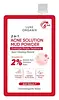 Key Ingredients
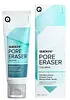
Benefits
Concerns
Ingredients Side-by-side
Water
Skin ConditioningKaolin
Abrasive



Butylene Glycol
Humectant

Dicaprylyl Carbonate
EmollientBentonite
Absorbent
Ethylhexyl Palmitate
Emollient




Glycerin
Humectant
Sulfur
Antiseborrhoeic

Calamine
AbsorbentSalicylic Acid
Masking



Dipropylene Glycol
HumectantTitanium Dioxide
Cosmetic Colorant

Cetearyl Alcohol
Emollient

Polygonum Cuspidatum Root Extract
Antioxidant
Camellia Sinensis Leaf Extract
Antimicrobial

Chamomilla Recutita Flower Extract
Masking
Rosmarinus Officinalis Leaf Extract
AntimicrobialDipotassium Glycyrrhizate
Humectant
Pueraria Lobata Root Extract
HumectantPinus Palustris Leaf Extract
TonicUlmus Davidiana Root Extract
Skin Conditioning
Oenothera Biennis Flower Extract
AstringentSodium Citrate
BufferingPropanediol
Solvent
Dimethicone
Emollient
1,2-Hexanediol
Skin Conditioning
Glyceryl Stearate
Emollient
PEG-100 Stearate
Surfactant
Polysorbate 60
Emulsifying
Xanthan Gum
EmulsifyingCaprylyl Glycol
Emollient
Zinc PCA
Humectant
Niacinamide
Smoothing

Ethylhexylglycerin
Skin ConditioningDisodium EDTA
CI 77491
Cosmetic ColorantTocopheryl Acetate
Antioxidant
Camphor
Masking
Triethoxycaprylylsilane
Water, Kaolin, Butylene Glycol, Dicaprylyl Carbonate, Bentonite, Ethylhexyl Palmitate, Glycerin, Sulfur, Calamine, Salicylic Acid, Dipropylene Glycol, Titanium Dioxide, Cetearyl Alcohol, Polygonum Cuspidatum Root Extract, Camellia Sinensis Leaf Extract, Chamomilla Recutita Flower Extract, Rosmarinus Officinalis Leaf Extract, Dipotassium Glycyrrhizate, Pueraria Lobata Root Extract, Pinus Palustris Leaf Extract, Ulmus Davidiana Root Extract, Oenothera Biennis Flower Extract, Sodium Citrate, Propanediol, Dimethicone, 1,2-Hexanediol, Glyceryl Stearate, PEG-100 Stearate, Polysorbate 60, Xanthan Gum, Caprylyl Glycol, Zinc PCA, Niacinamide, Ethylhexylglycerin, Disodium EDTA, CI 77491, Tocopheryl Acetate, Camphor, Triethoxycaprylylsilane
Water
Skin ConditioningKaolin
Abrasive
Bentonite
Absorbent
Sea Silt
Skin ConditioningGlycerin
Humectant
Propylene Glycol
Humectant
Caprylic/Capric Triglyceride
Masking
Cetearyl Alcohol
Emollient
Sea Silt Extract
Skin ConditioningCeteareth-12
EmulsifyingChamomilla Recutita Extract
Skin Conditioning
Hedera Helix Extract
AntimicrobialPhenoxyethanol
Preservative
Sodium Polystyrene Sulfonate
Emulsion StabilisingChlorphenesin
Antimicrobial
Lactic Acid
Buffering
Xanthan Gum
EmulsifyingAllantoin
Skin Conditioning
Parfum
Masking

Menthol
Masking
Disodium EDTA
Limonene
Perfuming
Hydroxyacetophenone
Antioxidant
Water, Kaolin, Bentonite, Sea Silt, Glycerin, Propylene Glycol, Caprylic/Capric Triglyceride, Cetearyl Alcohol, Sea Silt Extract, Ceteareth-12, Chamomilla Recutita Extract, Hedera Helix Extract, Phenoxyethanol, Sodium Polystyrene Sulfonate, Chlorphenesin, Lactic Acid, Xanthan Gum, Allantoin, Parfum, Menthol, Disodium EDTA, Limonene, Hydroxyacetophenone
Reviews
Ingredients Explained
These ingredients are found in both products.
Ingredients higher up in an ingredient list are typically present in a larger amount.
Bentonite is an aluminium phyllosilicate clay with great absorbent properties. The name 'bentonite' comes from the area where the largest source is found: Fort Benton, Wyoming.
As a clay, bentonite is often used to absorb excess oil and provide exfoliation. It has also been shown to have some antibacterial and anti-inflammatory properties. Studies show bentonite was effective at calming dermatitis from poison ivy and in diaper dermatitis of infants. Bentonite has also been shown to act as a barrier against toxic compounds on your skin.
Sunscreens containing bentonite display higher water resistance and stay on the skin for much longer. The sunscreens containing bentonite also show higher potency and UV light absorbtion.
Bentonite is naturally created from volcanic ash and several natural weathering/hydrothermal processes.
A common usage of bentonite is removing excess protein from white wines. Bentonite contains a property of being able to absorb large amounts of protein from aqueous solutions.
Phyllosilicate clay has a structure formed by sheets.
Learn more about BentoniteCetearyl alcohol is a waxy mixture of two fatty alcohols: cetyl alcohol and stearyl alcohol. It is an emollient and emulsifier.
Despite having "alcohol" in its name, it has nothing to do with drying solvent alcohols; the FDA also allows "alcohol-free" products to contain fatty alcohols like this ingredient.
It plays several roles in a formula:
Typical use levels for this ingredient sit around 1-10% and the Cosmetic Ingredient Review Expert Panel has affirmed safety at concentrations up to 25% in leave-on products.
Multiple assessments have found it to be non-irritating and non-sensitizing to most people.
However, there have been some cases of allergic contact dermatitis in patients with chronically compromised skin barriers.
Cetearyl alcohol has a comedogenic rating of 2 and irritancy rating of 1. Both of these numbers come from the 1989 study that used rabbit ears; a "2" means mildly comedogenic and a "1" means low irritancy.
Here's the catch: rabbit skin is more sensitive than human skin and throws a lot of false positives. A 1996 reappraisal found that ingredients rated 1-2 in the rabbit ear tests are generally safe for humans.
Remember comedogenic ratings are unable to assess the entire formula of a product or how it will react on your skin. Just be sure to patch test if you are unsure about certain ingredients.
This ingredient is not fungal acne safe. Cetearyl alcohol is a fatty alcohol with chain lengths that fall within the range that Malassezia can metabolize.
A 2019 study has also observed Malassezia growth in the presence of this ingredient, confirming it to be not-fungal acne safe.
Learn more about Cetearyl AlcoholDisodium EDTA is a chelating agent. It grabs onto and deactivates metal ions that sneak into your products from water, packaging, or air.
This ingredient mainly works behind the scenes and helps with:
On top of that, this ingredient can counteract the effects of hard water by binding to the minerals in it.
One thing worth knowing is that Disodium EDTA has been shown to be a mild penetration enhancer. It can help other ingredients absorb into skin more effectively which can be a double-edged sword (great for actives, but can also make the active too strong if you have sensitive skin).
Clinical patch testing showed no significant skin irritation at typical use concentrations and minimal dermal absorption.
You'll most likely see this ingredient near the end of an ingredient list. It's typically found in concentrations less than 1%.
Learn more about Disodium EDTAGlycerin (or glycerol) is a compound naturally found in your skin. It's a powerhouse humectant that pulls water into the stratum corneum.
Topically, glycerin does several things at once:
Your skin makes glycerin on its own (mostly from sebaceous oil breakdown) and shuttles it to your outermost layer of skin, or your epidermis, via aquaporin-3.
Aquaporin-3 is a transporter that is essential for normal skin hydration, elasticity, and repair. Interestingly, mice lacking in AQP3 have dry and less elastic skin that can be fully corrected with glycerin.
This ingredient is non-irritating, plays well with almost every ingredient, and works across all skin types. Typical use is anywhere between 3-10% but can go up to 79% in some leave-on products.
Just know very high concentrations (>40%) can feel tacky in low humidity.
Glycerin is the name for this ingredient in American English. British English uses Glycerol/Glycerine.
Learn more about GlycerinKaolin is a clay. It is used for oil control and to help minimize pores. Like other clays, kaolin has the ability to absorb excess sebum or oil. This can help clean out pores and mattify the skin.
Some types of kaolin may have exfoliating properties. When water is added to kaolin, it becomes a paste with small abrasive particles.
Most kaolin is a white color, but may be pink/orange/red depending on where it comes from.
The name 'kaolin' comes from a Chinese village named 'Gaoling'. Kaolin clay comes from rocks rich in kaolinite. Kaolinite, the mineral, has a silicate layered structure. Kaolinite is formed from chemical weathering of aluminum siilicate minerals.
Besides skincare, kaolin is commonly used to make glossy paper, in ceramics, toothpaste, and as medicine to soothe stomach issues.
Learn more about KaolinWater. It's the most common cosmetic ingredient of all. You'll usually see it at the top of ingredient lists, meaning that it makes up the largest part of the product.
So why is it so popular? Water most often acts as a solvent - this means that it helps dissolve other ingredients into the formulation.
You'll also recognize water as that liquid we all need to stay alive. If you see this, drink a glass of water. Remember to stay hydrated!
Learn more about WaterXanthan gum is used as a stabilizer and thickener within cosmetic products. It helps give products a sticky, thick feeling - preventing them from being too runny.
On the technical side of things, xanthan gum is a polysaccharide - a combination consisting of multiple sugar molecules bonded together.
Xanthan gum is a pretty common and great ingredient. It is a natural, non-toxic, non-irritating ingredient that is also commonly used in food products.
Learn more about Xanthan Gum

