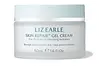
This barrier-repair moisturizer is formulated around Borago Officinalis Seed Oil and Persea Gratissima Oil to strengthen the skin barrier and hydrate skin.
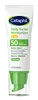
This hybrid sunscreen covers the full UV range and blocks ~98% of UVB at SPF 50.


What's inside
What's inside
 Key Ingredients
Benefits
Concerns
Ingredients Side-by-side
Water
Skin ConditioningPropanediol
Solvent

Glycerin
Humectant
Diheptyl Succinate
EmollientPolyglyceryl-6 Distearate
Emulsifying

Sodium Polyacrylate
Absorbent
Borago Officinalis Seed Oil
Emollient


Persea Gratissima Oil
Skin Conditioning
Humulus Lupulus Extract
AntimicrobialEchinacea Purpurea Extract
MoisturisingCetyl Alcohol
Emollient

Phenoxyethanol
Preservative
Jojoba Esters
Emollient
Caprylyl Glycol
Emollient
Parfum
Masking



Polyglyceryl-3 Beeswax
Emulsifying
Capryloyl Glycerin/Sebacic Acid Copolymer
Skin ConditioningCitric Acid
Buffering

Xanthan Gum
EmulsifyingTrisodium Ethylenediamine Disuccinate
Tocopherol
Antioxidant



Hydrolyzed Hyaluronic Acid
Humectant
Sodium Hydroxide
BufferingBenzyl Salicylate
Perfuming
Limonene
Perfuming
Linalool
Perfuming
Citronellol
Perfuming
Eugenol
Perfuming
Benzoic Acid
Masking
Benzyl Benzoate
Antimicrobial
Dehydroacetic Acid
Preservative
Glycine Soja Oil
Emollient

Water, Propanediol, Glycerin, Diheptyl Succinate, Polyglyceryl-6 Distearate, Sodium Polyacrylate, Borago Officinalis Seed Oil, Persea Gratissima Oil, Humulus Lupulus Extract, Echinacea Purpurea Extract, Cetyl Alcohol, Phenoxyethanol, Jojoba Esters, Caprylyl Glycol, Parfum, Polyglyceryl-3 Beeswax, Capryloyl Glycerin/Sebacic Acid Copolymer, Citric Acid, Xanthan Gum, Trisodium Ethylenediamine Disuccinate, Tocopherol, Hydrolyzed Hyaluronic Acid, Sodium Hydroxide, Benzyl Salicylate, Limonene, Linalool, Citronellol, Eugenol, Benzoic Acid, Benzyl Benzoate, Dehydroacetic Acid, Glycine Soja Oil
Ethylhexyl Methoxycinnamate 7.5%
UV Absorber

Ethylhexyl Salicylate 5%
UV Absorber
Octocrylene 7%
UV Absorber
Benzophenone-3 6%
UV Absorber
Titanium Dioxide 5.7%
Cosmetic Colorant
Water
Skin ConditioningPropylene Glycol
Humectant
Glycerin
Humectant
Dimethicone
Emollient
Vp/Eicosene Copolymer
Cyclomethicone
Emollient
Stearic Acid
Cleansing
Dimethiconol
Emollient
Potassium Cetyl Phosphate
EmulsifyingGlyceryl Stearate
Emollient
PEG-100 Stearate
Surfactant
Aluminum Hydroxide
EmollientDisodium EDTA
Tocopherol
Antioxidant
Triethanolamine
BufferingPhenoxyethanol
Preservative
Ethylparaben
Preservative
Chlorphenesin
Antimicrobial
Cetyl Alcohol
Emollient
Carbomer
Emulsion StabilisingMethylparaben
Preservative
Xanthan Gum
EmulsifyingEthylhexyl Methoxycinnamate 7.5%, Ethylhexyl Salicylate 5%, Octocrylene 7%, Benzophenone-3 6%, Titanium Dioxide 5.7%, Water, Propylene Glycol, Glycerin, Dimethicone, Vp/Eicosene Copolymer, Cyclomethicone, Stearic Acid, Dimethiconol, Potassium Cetyl Phosphate, Glyceryl Stearate, PEG-100 Stearate, Aluminum Hydroxide, Disodium EDTA, Tocopherol, Triethanolamine, Phenoxyethanol, Ethylparaben, Chlorphenesin, Cetyl Alcohol, Carbomer, Methylparaben, Xanthan Gum
Reviews
Ingredients Explained
These ingredients are found in both products.
Ingredients higher up in an ingredient list are typically present in a larger amount.
Cetyl Alcohol is a fatty alcohol. Fatty Alcohols are most often used as an emollient or to thicken a product.
Its main roles are:
Though it has "alcohol" in the name, it is not related to denatured alcohol or ethyl alcohol.
The FDA allows products labeled "alcohol-free" to have fatty alcohols.
This ingredient may not be fungal acne safe. It is a primary fatty alcohol with a chain length above 12 carbons. A study from 2019 show Malassezia can feed on fatty alcohols in this range, so it may trigger fungal acne in those prone to it.
Learn more about Cetyl AlcoholGlycerin (or glycerol) is a compound naturally found in your skin. It's a powerhouse humectant that pulls water into the stratum corneum.
Topically, glycerin does several things at once:
Your skin makes glycerin on its own (mostly from sebaceous oil breakdown) and shuttles it to your outermost layer of skin, or your epidermis, via aquaporin-3.
Aquaporin-3 is a transporter that is essential for normal skin hydration, elasticity, and repair. Interestingly, mice lacking in AQP3 have dry and less elastic skin that can be fully corrected with glycerin.
This ingredient is non-irritating, plays well with almost every ingredient, and works across all skin types. Typical use is anywhere between 3-10% but can go up to 79% in some leave-on products.
Just know very high concentrations (>40%) can feel tacky in low humidity.
Glycerin is the name for this ingredient in American English. British English uses Glycerol/Glycerine.
Learn more about GlycerinPhenoxyethanol is one of the most widely used preservatives in skincare (and for good reason!).
It has a large spectrum of antimicrobial activity and especially effective bacteria, yeast, and mold while only having a weak effect on your skin's natural microbiome.
On a cellular level, it disrupts the cell membranes of microbes by poking holes that make the cell leak. This shuts down the chemical reactions the microbe needs to make energy so it can no longer survive.
Another perk of this ingredient is that it stays functional across a wide pH range (3-10).
You'll often see it paired with boosters like Ethylhexylglycerin; one study showed that a 1:9 ratio of Ethylhexylglycerin to Phenoxyethanol damages bacterial membranes as effectively as doubling the Phenoxyethanol concentration on its own.
Typical use concentrations range from 0.3-1% depending on the formula, and this ingredient is capped at 1% int the EU.
Safety-wise, the fear mongering does not hold up to the evidence. The EU's Scientific Committee on Consumer Safety and FDA consider it safe as a preservative at up to 1%, including for children of all ages.
Adverse systemic effects only showed up in animal studies at exposures roughly 200x higher than what people get from cosmetics. And despite its very widespread use, this ingredient is a rare sensitizer and allergic reactions are uncommon.
Learn more about PhenoxyethanolTocopherol is a fat-soluble antioxidant known as Vitamin E.
You'll find this ingredient in the vast majority of skincare (for good reason). It works to neutralize free radicals, or unstable molecules generated by UV exposure, pollution, and other environmental stressors, before they can cause oxidative damage to your skin cells.
Topically applied tocopherol has been shown to protect against UV damage by ramping up the skin's own natural defense enzymes.
It also acts as a skin conditioning agent; some studies show that regular topical use can improve the skin's water-binding capacity over 2-4 weeks.
This ingredient is especially loved for being a team player. When combined with Vitamin C, the photoprotective effect of both ingredients roughly doubles and the combo also helps reduce UV-induced DNA damage.
This ingredient has some brightening potential but it's more of a prevention ingredient than spot-fader. Cell studies show it can slow down melanin production but it's worth noting that it's not the most powerful brightener out there.
In formulations, it also serves as a stabilizer that helps protect other oxidation-prone ingredients from degrading.
Concentrations usually range from 0.1-1% in most leave-on products.
Learn more about TocopherolWater. It's the most common cosmetic ingredient of all. You'll usually see it at the top of ingredient lists, meaning that it makes up the largest part of the product.
So why is it so popular? Water most often acts as a solvent - this means that it helps dissolve other ingredients into the formulation.
You'll also recognize water as that liquid we all need to stay alive. If you see this, drink a glass of water. Remember to stay hydrated!
Learn more about WaterXanthan gum is used as a stabilizer and thickener within cosmetic products. It helps give products a sticky, thick feeling - preventing them from being too runny.
On the technical side of things, xanthan gum is a polysaccharide - a combination consisting of multiple sugar molecules bonded together.
Xanthan gum is a pretty common and great ingredient. It is a natural, non-toxic, non-irritating ingredient that is also commonly used in food products.
Learn more about Xanthan Gum

