
What's inside
What's inside
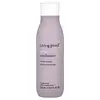 Key Ingredients
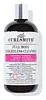
Benefits
Concerns
Ingredients Side-by-side
Water
Skin ConditioningCetearyl Alcohol
Emollient






Behentrimonium Chloride
Preservative
Polyglyceryl-3 Betainate Acetate
C13-15 Alkane
SolventPhytosteryl/Octyldodecyl Lauroyl Glutamate
Skin ConditioningJojoba Esters
Emollient
Hydroxyethyl Diethylenetriamine Dioleamide/Palmitamide
Hydrogenated Castor Oil/Sebacic Acid Copolymer
Emollient
Meadowfoam Estolide
Skin ConditioningLinoleamidopropyl Dimethylamine Dimer Dilinoleate
Skin ConditioningPolyglycerin-3
Humectant
Helianthus Annuus Seed Wax
Skin Conditioning
Polyglyceryl-3 Methylglucose Distearate
Emulsifying
Caprylyl Glycol
Emollient
Ethyl Lauroyl Arginate Hcl
Skin ConditioningPhytantriol
HumectantFurcellaria Lumbricalis Extract
Skin ConditioningHydroxyacetophenone
Antioxidant
Guar Hydroxypropyltrimonium Chloride
Skin ConditioningGlycerin
Humectant

Hydroxyethylcellulose
Emulsion StabilisingHydroxypropyl Methylcellulose
Emulsion StabilisingLactic Acid
Buffering







Parfum
Masking

Linalool
Perfuming
Hexyl Cinnamal
Perfuming
Citronellol
Perfuming
Limonene
Perfuming
Water, Cetearyl Alcohol, Behentrimonium Chloride, Polyglyceryl-3 Betainate Acetate, C13-15 Alkane, Phytosteryl/Octyldodecyl Lauroyl Glutamate, Jojoba Esters, Hydroxyethyl Diethylenetriamine Dioleamide/Palmitamide, Hydrogenated Castor Oil/Sebacic Acid Copolymer, Meadowfoam Estolide, Linoleamidopropyl Dimethylamine Dimer Dilinoleate, Polyglycerin-3, Helianthus Annuus Seed Wax, Polyglyceryl-3 Methylglucose Distearate, Caprylyl Glycol, Ethyl Lauroyl Arginate Hcl, Phytantriol, Furcellaria Lumbricalis Extract, Hydroxyacetophenone, Guar Hydroxypropyltrimonium Chloride, Glycerin, Hydroxyethylcellulose, Hydroxypropyl Methylcellulose, Lactic Acid, Parfum, Linalool, Hexyl Cinnamal, Citronellol, Limonene
Water
Skin ConditioningGlycerin
Humectant
Coco-Glucoside
Cleansing
Decyl Glucoside
Cleansing
Sodium Methyl Cocoyl Taurate
Cleansing
Xanthan Gum
EmulsifyingSaccharide Isomerate
Humectant
Guar Hydroxypropyltrimonium Chloride
Skin ConditioningPolyquaternium-10
Tilia Tomentosa Bud Extract
Skin ConditioningOlea Europaea Leaf Extract
Perfuming
Arctium Majus Root Extract
Skin Conditioning
Arnica Montana Flower Extract
Masking
Calendula Officinalis Flower Extract
Masking
Chamomilla Recutita Flower Extract
Masking
Citrus Limon Peel Extract
EmollientHedera Helix Leaf Extract
Skin ConditioningLamium Album Extract
AstringentNasturtium Officinale Extract
Perfuming
Pinus Sylvestris Bud Extract
Perfuming
Rosmarinus Officinalis Leaf Extract
AntimicrobialSalvia Officinalis Leaf Extract
CleansingTropaeolum Majus Flower Extract
Skin ConditioningPentylene Glycol
Skin Conditioning
Panthenol
Skin Conditioning
Tocopherol
Antioxidant
Cyclodextrin
AbsorbentSodium Chloride
MaskingCyamopsis Tetragonoloba Gum
Emulsion StabilisingParfum
Masking
Citric Acid
Buffering
Sodium Hydroxide
BufferingSodium Gluconate
Skin ConditioningSodium Citrate
BufferingPhytic Acid
Sodium Benzoate
Masking
Potassium Sorbate
Preservative
Hydroxycitronellal
Perfuming
Citronellol
Perfuming
Water, Glycerin, Coco-Glucoside, Decyl Glucoside, Sodium Methyl Cocoyl Taurate, Xanthan Gum, Saccharide Isomerate, Guar Hydroxypropyltrimonium Chloride, Polyquaternium-10, Tilia Tomentosa Bud Extract, Olea Europaea Leaf Extract, Arctium Majus Root Extract, Arnica Montana Flower Extract, Calendula Officinalis Flower Extract, Chamomilla Recutita Flower Extract, Citrus Limon Peel Extract, Hedera Helix Leaf Extract, Lamium Album Extract, Nasturtium Officinale Extract, Pinus Sylvestris Bud Extract, Rosmarinus Officinalis Leaf Extract, Salvia Officinalis Leaf Extract, Tropaeolum Majus Flower Extract, Pentylene Glycol, Panthenol, Tocopherol, Cyclodextrin, Sodium Chloride, Cyamopsis Tetragonoloba Gum, Parfum, Citric Acid, Sodium Hydroxide, Sodium Gluconate, Sodium Citrate, Phytic Acid, Sodium Benzoate, Potassium Sorbate, Hydroxycitronellal, Citronellol
Alternatives
Ingredients Explained
These ingredients are found in both products.
Ingredients higher up in an ingredient list are typically present in a larger amount.
Citronellol is used to add fragrance/parfum to a product. It is often derived from plants such as roses. In fact, it can be found in many essential oils including geranium, lavender, neroli, and more. The scent of Citronellol is often described as "fresh, grassy, and citrus-like".
Since the Citronellol molecule is already unstable, Citronellol becomes irritating on the skin when exposed to air.
Citronellol is a modified terpene. Terpenes are unsaturated hydrocarbons found in plants. They make up the primary part of essential oils.
Citronellol is not able to be absorbed into deeper layers of the skin. It has low permeability,
Citronellol is also a natural insect repellent.
Learn more about CitronellolGlycerin (or glycerol) is a compound naturally found in your skin. It's a powerhouse humectant that pulls water into the stratum corneum.
Topically, glycerin does several things at once:
Your skin makes glycerin on its own (mostly from sebaceous oil breakdown) and shuttles it to your outermost layer of skin, or your epidermis, via aquaporin-3.
Aquaporin-3 is a transporter that is essential for normal skin hydration, elasticity, and repair. Interestingly, mice lacking in AQP3 have dry and less elastic skin that can be fully corrected with glycerin.
This ingredient is non-irritating, plays well with almost every ingredient, and works across all skin types. Typical use is anywhere between 3-10% but can go up to 79% in some leave-on products.
Just know very high concentrations (>40%) can feel tacky in low humidity.
Glycerin is the name for this ingredient in American English. British English uses Glycerol/Glycerine.
Learn more about GlycerinThis ingredient is derived from guar gum. It is a skin conditioning agent that creates a thin, breathable film to reduce water loss during cleansing.
This leaves the skin feeling soft rather than stripped and also contributes to a creamier lather.
Due to the large molecule size, this ingredient is unlikely to penetrate skin.
Learn more about Guar Hydroxypropyltrimonium ChlorideParfum is a catch-all term for an ingredient or more that is used to give a scent to products.
Also called "fragrance", this ingredient can be a blend of hundreds of chemicals or plant oils. This means every product with "fragrance" or "parfum" in the ingredients list is a different mixture.
For instance, Habanolide is a proprietary trade name for a specific aroma chemical. When used as a fragrance ingredient in cosmetics, most aroma chemicals fall under the broad labeling category of “FRAGRANCE” or “PARFUM” according to EU and US regulations.
The term 'parfum' or 'fragrance' is not regulated in many countries. In many cases, it is up to the brand to define this term.
For instance, many brands choose to label themselves as "fragrance-free" because they are not using synthetic fragrances. However, their products may still contain ingredients such as essential oils that are considered a fragrance by INCI standards.
One example is Calendula flower extract. Calendula is an essential oil that still imparts a scent or 'fragrance'.
Depending on the blend, the ingredients in the mixture can cause allergies and sensitivities on the skin. Some ingredients that are known EU allergens include linalool and citronellol.
Parfum can also be used to mask or cover an unpleasant scent.
The bottom line is: not all fragrances/parfum/ingredients are created equally. If you are worried about fragrances, we recommend taking a closer look at an ingredient. And of course, we always recommend speaking with a professional.
Learn more about ParfumWater. It's the most common cosmetic ingredient of all. You'll usually see it at the top of ingredient lists, meaning that it makes up the largest part of the product.
So why is it so popular? Water most often acts as a solvent - this means that it helps dissolve other ingredients into the formulation.
You'll also recognize water as that liquid we all need to stay alive. If you see this, drink a glass of water. Remember to stay hydrated!
Learn more about Water

