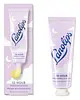
This hydrating lip mask is formulated around Honey and Ceramide NP to hydrate lips and strengthen the lip barrier.
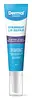
This hydrating lip mask is formulated around Ricinus Communis Seed Oil and Urea to hydrate lips and strengthen the lip barrier.

What's inside
What's inside
 Key Ingredients
Benefits
Concerns
Ingredients Side-by-side
Lanolin
Emollient





Caprylic/Capric Triglyceride
Masking


Glycerin
Humectant
Copernicia Cerifera Wax
Ricinus Communis Seed Oil
Masking

Prunus Armeniaca Kernel Oil
Masking
Vanillin
Masking
Beeswax
Emulsion Stabilising
Honey
Humectant
Glyceryl Caprylate
EmollientTocopherol
Antioxidant





Glycine Soja Oil
Emollient
Glyceryl Undecylenate
Emollient
Ascorbyl Palmitate
Antioxidant
Sodium Hyaluronate
Humectant
Water
Skin ConditioningCeramide NP
Skin Conditioning
Octyldodecanol
Emollient
Ricinus Communis Seed Oil
Masking
Water
Skin ConditioningVp/Eicosene Copolymer
Bis-Diglyceryl Polyacyladipate-2
Emollient
PEG-30 Dipolyhydroxystearate
Emulsifying
Glycerin
Humectant
Hydrogenated Castor Oil
Emollient
Urea
Buffering

Glycolic Acid
Buffering




Cera Alba
Emollient
Silica
Abrasive
Cetearyl Ethylhexanoate
Emollient
Sodium Hyaluronate
Humectant
Bakuchiol
Antimicrobial
Parfum
Masking
Hydroxyacetophenone
Antioxidant
Sodium Lactate
Buffering
Sodium PCA
Humectant
Tocopheryl Acetate
Antioxidant
Hydrolyzed Collagen
Emollient
Ascorbyl Tetraisopalmitate
Antioxidant
Ceramide NP
Skin Conditioning
Portulaca Pilosa Extract
Skin ConditioningCeramide AP
Skin Conditioning
Phytosphingosine
Skin Conditioning
Lactic Acid
Buffering
Carbomer
Emulsion StabilisingPalmitoyl Tripeptide-38
Skin Conditioning
Ceramide EOP
Skin Conditioning
Sucrose Cocoate
Emulsifying
Xanthan Gum
EmulsifyingRebaudioside A
Skin ConditioningSorbitan Isostearate
Emulsifying
Sodium Lauroyl Lactylate
EmulsifyingCholesterol
Emollient
Sodium Hydroxide
BufferingPhenoxyethanol
Preservative
Ethylhexylglycerin
Skin ConditioningBenzyl Alcohol
Perfuming
Potassium Sorbate
Preservative
Sodium Benzoate
Masking
Benzyl Salicylate
Perfuming
Citronellol
Perfuming
Geraniol
Perfuming
Linalool
Perfuming
Octyldodecanol, Ricinus Communis Seed Oil, Water, Vp/Eicosene Copolymer, Bis-Diglyceryl Polyacyladipate-2, PEG-30 Dipolyhydroxystearate, Glycerin, Hydrogenated Castor Oil, Urea, Glycolic Acid, Cera Alba, Silica, Cetearyl Ethylhexanoate, Sodium Hyaluronate, Bakuchiol, Parfum, Hydroxyacetophenone, Sodium Lactate, Sodium PCA, Tocopheryl Acetate, Hydrolyzed Collagen, Ascorbyl Tetraisopalmitate, Ceramide NP, Portulaca Pilosa Extract, Ceramide AP, Phytosphingosine, Lactic Acid, Carbomer, Palmitoyl Tripeptide-38, Ceramide EOP, Sucrose Cocoate, Xanthan Gum, Rebaudioside A, Sorbitan Isostearate, Sodium Lauroyl Lactylate, Cholesterol, Sodium Hydroxide, Phenoxyethanol, Ethylhexylglycerin, Benzyl Alcohol, Potassium Sorbate, Sodium Benzoate, Benzyl Salicylate, Citronellol, Geraniol, Linalool
Reviews
Ingredients Explained
These ingredients are found in both products.
Ingredients higher up in an ingredient list are typically present in a larger amount.
Ceramide NP (formerly known as Ceramide 3) is one of the skin's naturally occurring lipids.
Since ceramides are the major lipid components of the skin, they are crucial for maintaining skin barrier and hydration. Ceramide NP most closely mirrors the dominant kind in human skin amongst ceramide subtypes.
This ceramide works by slotting into gaps within the stratum corneum's lipid matrix to limit trans-epidermal water loss (TEWL) and shield the skin against external irritants.
A study with 312 patients found that using a ceramide-containing routine for 4 weeks reduced the severity of atopic dermatitis by over 61%.
Another clinical study in subjects aged 60 and older found that a ceramide body wash and moisturizer improved skin dryness and itchy skin in 15 days.
Overall, ceramides are considered non-irritating and safety tests have found little to no observable adverse effects from using this ingredient.
Ceramide NP is usually sourced from plants (like soybean or rice bran), or produced synthetically.
Learn more about Ceramide NPGlycerin (or glycerol) is a compound naturally found in your skin. It's a powerhouse humectant that pulls water into the stratum corneum.
Topically, glycerin does several things at once:
Your skin makes glycerin on its own (mostly from sebaceous oil breakdown) and shuttles it to your outermost layer of skin, or your epidermis, via aquaporin-3.
Aquaporin-3 is a transporter that is essential for normal skin hydration, elasticity, and repair. Interestingly, mice lacking in AQP3 have dry and less elastic skin that can be fully corrected with glycerin.
This ingredient is non-irritating, plays well with almost every ingredient, and works across all skin types. Typical use is anywhere between 3-10% but can go up to 79% in some leave-on products.
Just know very high concentrations (>40%) can feel tacky in low humidity.
Glycerin is the name for this ingredient in American English. British English uses Glycerol/Glycerine.
Learn more about GlycerinThis ingredient is also known as castor oil. It is a skin conditioning ingredient.
The star component of castor oil is ricinoleic acid, an unusual fatty acid that makes up ~80-92% of its composition.
In skincare, it is an emollient that dries down to a solid film with water-binding properties. This helps keep skin hydrated and helps reduce transepidermal water loss (TEWL).
A 2026 dermatology review pulls together its broader uses:
Human clinical testing found this ingredient to be non-irritating and non-sensitizing.
Because castor oil contains fatty acids in the C11-24 range, this ingredient may not be fungal acne safe.
At this time, the literature does not support castor oil in regrowing hair. A 2022 systematic review found no strong evidence that it supports hair growth and only weak evidence that it improves hair shine.
Castor oil itself carries "perfuming" and "masking" function tags according to the official CosIng database. This is because of its mild odor and odor-dampening properties.
Learn more about Ricinus Communis Seed OilSodium Hyaluronate is the salt form of hyaluronic acid. It is a long sugar chain that is naturally found in your skin, joints, and connective tissue that maintains hydration and elasticity.
In skincare, it works as a humectant. It pulls water from the environment and deeper layers of skin and binds it to the surface.
Interestingly, the size of the molecule affects its behavior:
Some clinical evidence links low molecular weight versions to improved wrinkle depth, elasticity, anti-inflammatory effects, and barrier repair.
Many serums use a blend of both weights so you can get surface hydration plus longer-lasting and deeper effects.
You'll typically see concentrations between 0.1-2% for this ingredient.
Learn more about Sodium HyaluronateWater. It's the most common cosmetic ingredient of all. You'll usually see it at the top of ingredient lists, meaning that it makes up the largest part of the product.
So why is it so popular? Water most often acts as a solvent - this means that it helps dissolve other ingredients into the formulation.
You'll also recognize water as that liquid we all need to stay alive. If you see this, drink a glass of water. Remember to stay hydrated!
Learn more about Water

