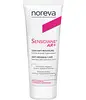
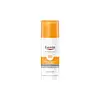
Laboratoires Noreva Sensidiane AR+ Anti-Redness Care Versus Eucerin Photoaging Control Face Sun Fluid SPF 50+
This calming treatment is formulated around Centella Asiatica Extract and Allantoin to calm redness and strengthen the skin barrier.
This chemical sunscreen covers the full UV range and blocks ~98% of UVB at SPF 50.


What's inside
What's inside
 Key Ingredients
Benefits
Concerns
Ingredients Side-by-side
Water
Skin ConditioningOctyldodecanol
Emollient
Glycerin
Humectant


Cetearyl Alcohol
Emollient





Caprylic/Capric Triglyceride
Masking
Coconut Alkanes
Emollient
C20-22 Alkyl Phosphate
EmulsifyingC20-22 Alcohols
Emulsion Stabilising
Pentylene Glycol
Skin Conditioning
Benzimidazole Diamond Amidoethyl Urea Carbamoyl Propyl Polymethylsilsesquioxane
Cosmetic Colorant
Propanediol
Solvent
Centella Asiatica Extract
Cleansing



Allantoin
Skin Conditioning
Hydrolyzed Hyaluronic Acid
Humectant
Ficus Carica Fruit Extract
Humectant
Dextran
Palmitoyl Tripeptide-8
Skin Conditioning

Glyceryl Hydroxystearate
Emollient
Methylpropanediol
SolventHydroxyethyl Acrylate/Sodium Acryloyldimethyl Taurate Copolymer
Emulsion StabilisingEthylhexylglycerin
Skin ConditioningChlorphenesin
Antimicrobial
Coco-Caprylate/Caprate
Emollient
Polyisobutene
Caprylhydroxamic Acid
ChelatingSodium Hydroxide
BufferingDisodium EDTA
ChelatingButylene Glycol
Humectant
PEG-7 Trimethylolpropane Coconut Ether
Emulsifying
CI 77288
Cosmetic ColorantSorbitan Isostearate
Emulsifying
Citric Acid
Buffering

Xanthan Gum
EmulsifyingSodium Benzoate
Masking
Potassium Sorbate
Preservative
Water, Octyldodecanol, Glycerin, Cetearyl Alcohol, Caprylic/Capric Triglyceride, Coconut Alkanes, C20-22 Alkyl Phosphate, C20-22 Alcohols, Pentylene Glycol, Benzimidazole Diamond Amidoethyl Urea Carbamoyl Propyl Polymethylsilsesquioxane, Propanediol, Centella Asiatica Extract, Allantoin, Hydrolyzed Hyaluronic Acid, Ficus Carica Fruit Extract, Dextran, Palmitoyl Tripeptide-8, Glyceryl Hydroxystearate, Methylpropanediol, Hydroxyethyl Acrylate/Sodium Acryloyldimethyl Taurate Copolymer, Ethylhexylglycerin, Chlorphenesin, Coco-Caprylate/Caprate, Polyisobutene, Caprylhydroxamic Acid, Sodium Hydroxide, Disodium EDTA, Butylene Glycol, PEG-7 Trimethylolpropane Coconut Ether, CI 77288, Sorbitan Isostearate, Citric Acid, Xanthan Gum, Sodium Benzoate, Potassium Sorbate
Water
Skin ConditioningC12-15 Alkyl Benzoate
AntimicrobialAlcohol Denat.
Antimicrobial


Butyl Methoxydibenzoylmethane
UV Absorber
Bis-Ethylhexyloxyphenol Methoxyphenyl Triazine
UV Absorber
Butylene Glycol Dicaprylate/Dicaprate
EmollientEthylhexyl Triazone
UV Absorber
Dibutyl Adipate
EmollientDistarch Phosphate
AbsorbentTapioca Starch
Diethylamino Hydroxybenzoyl Hexyl Benzoate
UV Filter
Glyceryl Stearate Citrate
Emollient
Phenylbenzimidazole Sulfonic Acid
UV Absorber
Behenyl Alcohol
Emollient
Cetearyl Alcohol
Emollient
Sodium Hyaluronate
Humectant
Glycyrrhetinic Acid
Skin Conditioning
Glycyrrhiza Inflata Root Extract
Skin Conditioning
Copernicia Cerifera Cera
Emollient
Carrageenan
Xanthan Gum
EmulsifyingHydroxypropyl Methylcellulose
Emulsion StabilisingSilica
Abrasive

Trisodium Ethylenediamine Disuccinate
ChelatingSodium Hydroxide
BufferingHydroxyacetophenone
Antioxidant
Ethylhexylglycerin
Skin ConditioningBenzyl Alcohol
Perfuming


Water, C12-15 Alkyl Benzoate, Alcohol Denat., Butyl Methoxydibenzoylmethane, Bis-Ethylhexyloxyphenol Methoxyphenyl Triazine, Butylene Glycol Dicaprylate/Dicaprate, Ethylhexyl Triazone, Dibutyl Adipate, Distarch Phosphate, Tapioca Starch, Diethylamino Hydroxybenzoyl Hexyl Benzoate, Glyceryl Stearate Citrate, Phenylbenzimidazole Sulfonic Acid, Behenyl Alcohol, Cetearyl Alcohol, Sodium Hyaluronate, Glycyrrhetinic Acid, Glycyrrhiza Inflata Root Extract, Copernicia Cerifera Cera, Carrageenan, Xanthan Gum, Hydroxypropyl Methylcellulose, Silica, Trisodium Ethylenediamine Disuccinate, Sodium Hydroxide, Hydroxyacetophenone, Ethylhexylglycerin, Benzyl Alcohol
Reviews
Ingredients Explained
These ingredients are found in both products.
Ingredients higher up in an ingredient list are typically present in a larger amount.
Cetearyl alcohol is a waxy mixture of two fatty alcohols: cetyl alcohol and stearyl alcohol. It is an emollient and emulsifier.
Despite having "alcohol" in its name, it has nothing to do with drying solvent alcohols; the FDA also allows "alcohol-free" products to contain fatty alcohols like this ingredient.
It plays several roles in a formula:
Typical use levels for this ingredient sit around 1-10% and the Cosmetic Ingredient Review Expert Panel has affirmed safety at concentrations up to 25% in leave-on products.
Multiple assessments have found it to be non-irritating and non-sensitizing to most people.
However, there have been some cases of allergic contact dermatitis in patients with chronically compromised skin barriers.
Cetearyl alcohol has a comedogenic rating of 2 and irritancy rating of 1. Both of these numbers come from the 1989 study that used rabbit ears; a "2" means mildly comedogenic and a "1" means low irritancy.
Here's the catch: rabbit skin is more sensitive than human skin and throws a lot of false positives. A 1996 reappraisal found that ingredients rated 1-2 in the rabbit ear tests are generally safe for humans.
Remember comedogenic ratings are unable to assess the entire formula of a product or how it will react on your skin. Just be sure to patch test if you are unsure about certain ingredients.
This ingredient is not fungal acne safe. Cetearyl alcohol is a fatty alcohol with chain lengths that fall within the range that Malassezia can metabolize.
A 2019 study has also observed Malassezia growth in the presence of this ingredient, confirming it to be not-fungal acne safe.
Learn more about Cetearyl AlcoholEthylhexylglycerin is created from glycerin. It is a multitasker ingredient that:
The CIR Expert Panel found minimal skin absorption or sensitization of any kind in a safety assessment. Though this ingredient is considered well-tolerated, a small number of cases of allergic dermatitis have been published since 2002. Just be sure to patch test if you are unsure.
Industry-reported use ranges from 8% in rinse-off products and 2% in leave-on formulations.
Learn more about EthylhexylglycerinSodium Hydroxide is also known as lye or caustic soda. It is used to adjust the pH of products; many ingredients require a specific pH to be effective.
In small amounts, sodium hydroxide is considered safe to use. However, large amounts may cause chemical burns due to its high alkaline.
Your skin has a natural pH and acid mantle. This acid mantle helps prevent harmful bacteria from breaking through. The acid mantle also helps keep your skin hydrated.
"Alkaline" refers to a high pH level. A low pH level would be considered acidic.
Learn more about Sodium HydroxideWater. It's the most common cosmetic ingredient of all. You'll usually see it at the top of ingredient lists, meaning that it makes up the largest part of the product.
So why is it so popular? Water most often acts as a solvent - this means that it helps dissolve other ingredients into the formulation.
You'll also recognize water as that liquid we all need to stay alive. If you see this, drink a glass of water. Remember to stay hydrated!
Learn more about WaterXanthan gum is used as a stabilizer and thickener within cosmetic products. It helps give products a sticky, thick feeling - preventing them from being too runny.
On the technical side of things, xanthan gum is a polysaccharide - a combination consisting of multiple sugar molecules bonded together.
Xanthan gum is a pretty common and great ingredient. It is a natural, non-toxic, non-irritating ingredient that is also commonly used in food products.
Learn more about Xanthan Gum


