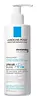
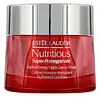
La Roche-Posay Lipikar Baume AP+M Versus Estée Lauder Nutritious Super-Pomegranate Radiant Energy Night Crème/Mask
This barrier-repair moisturizer is formulated around Butyrospermum Parkii Butter and Niacinamide to strengthen the skin barrier and hydrate skin.
This brightening overnight mask is formulated around Acetyl Glucosamine and Tetrahexyldecyl Ascorbate to brighten dull-looking skin.


What's inside
What's inside
 Key Ingredients
Benefits
Concerns
Ingredients Side-by-side
Water
Skin ConditioningButyrospermum Parkii Butter
Skin Conditioning






Glycerin
Humectant
Dimethicone
Emollient
Niacinamide
Smoothing









Cetearyl Alcohol
Emollient

Brassica Campestris Seed Oil
Skin Conditioning
Glyceryl Stearate
Emollient
Ammonium Polyacryloyldimethyl Taurate
Emulsion StabilisingPEG-100 Stearate
Surfactant
Propanediol
Solvent
Ophiopogon Japonicus Root Extract
Skin ConditioningPEG-20 Methyl Glucose Sesquistearate
Emulsifying
Sorbitan Tristearate
EmulsifyingDimethiconol
Emollient
Sodium Chloride
MaskingMannose
HumectantCoco-Betaine
Cleansing
Disodium EDTA
Capryloyl Glycine
CleansingCaprylyl Glycol
Emollient
Vitreoscilla Ferment
Skin Conditioning
Citric Acid
Buffering
Maltodextrin
Absorbent
Xanthan Gum
EmulsifyingTocopherol
Antioxidant

Pentaerythrityl Tetra-Di-T-Butyl Hydroxyhydrocinnamate
Antioxidant
Water, Butyrospermum Parkii Butter, Glycerin, Dimethicone, Niacinamide, Cetearyl Alcohol, Brassica Campestris Seed Oil, Glyceryl Stearate, Ammonium Polyacryloyldimethyl Taurate, PEG-100 Stearate, Propanediol, Ophiopogon Japonicus Root Extract, PEG-20 Methyl Glucose Sesquistearate, Sorbitan Tristearate, Dimethiconol, Sodium Chloride, Mannose, Coco-Betaine, Disodium EDTA, Capryloyl Glycine, Caprylyl Glycol, Vitreoscilla Ferment, Citric Acid, Maltodextrin, Xanthan Gum, Tocopherol, Pentaerythrityl Tetra-Di-T-Butyl Hydroxyhydrocinnamate
Water
Skin ConditioningDimethicone
Emollient
Isohexadecane
EmollientGlycerin
Humectant
Bis-PEG-18 Methyl Ether Dimethyl Silane
EmollientButylene Glycol
Humectant
PEG-10 Dimethicone
Skin Conditioning
Propanediol
Solvent
Petrolatum
Emollient
Disteardimonium Hectorite
StabilisingSucrose
Humectant
Hypnea Musciformis Extract
Skin Protecting
Vaccinium Angustifolium Fruit Extract
Skin Protecting
Paeonia Suffruticosa Root Extract
Skin ProtectingSapindus Mukorossi Fruit Extract
Skin ConditioningCladosiphon Okamuranus Extract
Skin Conditioning
Cucumis Sativus Fruit Extract
Emollient
Hordeum Vulgare Extract
EmollientVaccinium Macrocarpon Fruit Extract
AstringentLycium Chinense Fruit Extract
Antioxidant
Gelidiella Acerosa Extract
Skin Protecting
Glycine Soja Seed Extract
Skin Conditioning
Isododecane
EmollientAcetyl Glucosamine
Skin Conditioning
Sorbitol
Humectant
Tocopheryl Acetate
Antioxidant
Punica Granatum Extract
AstringentCaffeine
Skin Conditioning
Ergothioneine
Antioxidant
Faex Extract
Skin ConditioningPropylene Glycol Dicaprate
EmollientSodium Hyaluronate
Humectant
Helianthus Annuus Seedcake
Abrasive
Polysilicone-11
Caesalpinia Spinosa Gum
Skin ConditioningCaprylyl Glycol
Emollient
Propylene Carbonate
SolventPolyethylene
Abrasive
Tetrahexyldecyl Ascorbate
Antioxidant
Dextrin
AbsorbentCitric Acid
Buffering
PEG-32
HumectantPEG-6
HumectantParfum
Masking

Hexylene Glycol
EmulsifyingSodium Citrate
BufferingDisodium EDTA
BHT
Antioxidant
Citral
Perfuming
Phenoxyethanol
Preservative
Iron Oxides
Water, Dimethicone, Isohexadecane, Glycerin, Bis-PEG-18 Methyl Ether Dimethyl Silane, Butylene Glycol, PEG-10 Dimethicone, Propanediol, Petrolatum, Disteardimonium Hectorite, Sucrose, Hypnea Musciformis Extract, Vaccinium Angustifolium Fruit Extract, Paeonia Suffruticosa Root Extract, Sapindus Mukorossi Fruit Extract, Cladosiphon Okamuranus Extract, Cucumis Sativus Fruit Extract, Hordeum Vulgare Extract, Vaccinium Macrocarpon Fruit Extract, Lycium Chinense Fruit Extract, Gelidiella Acerosa Extract, Glycine Soja Seed Extract, Isododecane, Acetyl Glucosamine, Sorbitol, Tocopheryl Acetate, Punica Granatum Extract, Caffeine, Ergothioneine, Faex Extract, Propylene Glycol Dicaprate, Sodium Hyaluronate, Helianthus Annuus Seedcake, Polysilicone-11, Caesalpinia Spinosa Gum, Caprylyl Glycol, Propylene Carbonate, Polyethylene, Tetrahexyldecyl Ascorbate, Dextrin, Citric Acid, PEG-32, PEG-6, Parfum, Hexylene Glycol, Sodium Citrate, Disodium EDTA, BHT, Citral, Phenoxyethanol, Iron Oxides
Reviews
Ingredients Explained
These ingredients are found in both products.
Ingredients higher up in an ingredient list are typically present in a larger amount.
Caprylyl Glycol is a humectant, skin conditioner, emollient, and preservative booster derived from either caprylic acid or synthetically created.
Typical use levels vary from 0.3-1% as a preservative booster and go up to 2% to condition skin.
Because it is not a free-fatty acid, this ingredient is fungal acne safe (there's nothing for Malassezia to feed on).
Learn more about Caprylyl GlycolCitric Acid is an alpha hydroxy acid (AHA) naturally found in citrus fruits like oranges, lemons, and limes.
Like other AHAs, citric acid can exfoliate skin by breaking down the bonds that hold dead skin cells together. This helps reveal smoother and brighter skin underneath.
However, this exfoliating effect only happens at high concentrations (20%) which can be hard to find in cosmetic products.
Due to this, citric acid is usually included in small amounts as a pH adjuster. This helps keep products slightly more acidic and compatible with skin's natural pH.
In skincare formulas, citric acid can:
While it can provide some skin benefits, research shows lactic acid and glycolic acid are generally more effective and less irritating exfoliants.
Most citric acid used in skincare today is made by fermenting sugars (usually from molasses). This synthetic version is identical to the natural citrus form but easier to stabilize and use in formulations.
Rosacea skin has a lower threshold for acids generally, with 62.5% of rosacea subjects in one study reacting to lactic acid in a sting test. This is why we mark citric acid as a potential rosacea trigger.
However, this ingredient shows up as a pH adjuster or chelator at roughly 0.1-1% in many products. These low levels are unlikely to be an issue for rosacea skin and becomes a potential trigger at exfoliating concentrations (20%). Because everybody's skin is unique, we recommend a patch test if you are unsure.
Learn more about Citric AcidDimethicone is a type of synthetic silicone created from natural materials such as quartz. It is also known as polydimethylsiloxane.
What it does:
Dimethicone comes in different viscosities:
Depending on the viscosity, dimethicone has different properties.
Ingredients lists don't always show which type is used, so we recommend reaching out to the brand if you have questions about the viscosity.
This ingredient is unlikely to cause irritation because it does not get absorbed into skin. However, people with silicone allergies should be careful about using this ingredient.
Note: Dimethicone may contribute to pilling. This is because it is not oil or water soluble, so pilling may occur when layered with products. When mixed with heavy oils in a formula, the outcome is also quite greasy.
Learn more about DimethiconeDisodium EDTA is a chelating agent. It grabs onto and deactivates metal ions that sneak into your products from water, packaging, or air.
This ingredient mainly works behind the scenes and helps with:
On top of that, this ingredient can counteract the effects of hard water by binding to the minerals in it.
One thing worth knowing is that Disodium EDTA has been shown to be a mild penetration enhancer. It can help other ingredients absorb into skin more effectively which can be a double-edged sword (great for actives, but can also make the active too strong if you have sensitive skin).
Clinical patch testing showed no significant skin irritation at typical use concentrations and minimal dermal absorption.
You'll most likely see this ingredient near the end of an ingredient list. It's typically found in concentrations less than 1%.
Learn more about Disodium EDTAGlycerin (or glycerol) is a compound naturally found in your skin. It's a powerhouse humectant that pulls water into the stratum corneum.
Topically, glycerin does several things at once:
Your skin makes glycerin on its own (mostly from sebaceous oil breakdown) and shuttles it to your outermost layer of skin, or your epidermis, via aquaporin-3.
Aquaporin-3 is a transporter that is essential for normal skin hydration, elasticity, and repair. Interestingly, mice lacking in AQP3 have dry and less elastic skin that can be fully corrected with glycerin.
This ingredient is non-irritating, plays well with almost every ingredient, and works across all skin types. Typical use is anywhere between 3-10% but can go up to 79% in some leave-on products.
Just know very high concentrations (>40%) can feel tacky in low humidity.
Glycerin is the name for this ingredient in American English. British English uses Glycerol/Glycerine.
Learn more about GlycerinPropanediol is an all-star ingredient. It softens, hydrates, and smooths the skin.
It’s often used to:
Propanediol is not likely to cause sensitivity and considered safe to use. It is derived from corn or petroleum with a clear color and no scent.
Learn more about PropanediolWater. It's the most common cosmetic ingredient of all. You'll usually see it at the top of ingredient lists, meaning that it makes up the largest part of the product.
So why is it so popular? Water most often acts as a solvent - this means that it helps dissolve other ingredients into the formulation.
You'll also recognize water as that liquid we all need to stay alive. If you see this, drink a glass of water. Remember to stay hydrated!
Learn more about Water

