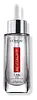
This hydrating serum is formulated around Sodium Hyaluronate and Dipeptide Diaminobutyroyl Benzylamide Diacetate to hydrate skin and soften the look of wrinkles.
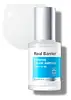
This barrier-repair ampoule is formulated around Panthenol and Ceramide NP to strengthen the skin barrier and hydrate skin.


What's inside
What's inside
 Key Ingredients
Benefits
Concerns
Ingredients Side-by-side




Water
Skin ConditioningButylene Glycol
Humectant

Glycerin
Humectant
Dipropylene Glycol
HumectantPolyglyceryl-10 Stearate
Skin Conditioning

Caprylic/Capric Triglyceride
Masking
Panthenol
Skin Conditioning

Hydrogenated Lecithin
Emulsifying
Limnanthes Alba Seed Oil
Skin Conditioning
Vinyldimethicone

Squalane
Emollient
Simmondsia Chinensis Seed Oil
Emollient
Potassium Cetyl Phosphate
EmulsifyingMyristoyl/Palmitoyl Oxostearamide/Arachamide Mea
Skin ConditioningCeramide NP
Skin Conditioning
Bis-Capryloyloxypalmitamido Isopropanol
EmollientAdenosine
Skin Conditioning
Dipotassium Glycyrrhizate
Humectant
Madecassoside
Antioxidant

Allantoin
Skin Conditioning
Hydrolyzed Hyaluronic Acid
Humectant
Glyceryl Stearate
Emollient
Phytosteryl/Isostearyl/Cetyl/Stearyl/Behenyl Dimer Dilinoleate
Skin Conditioning
Sorbitan Stearate
Emulsifying
Cetearyl Alcohol
Emollient



Phytosterols
Skin Conditioning
Xanthan Gum
EmulsifyingPentylene Glycol
Skin Conditioning
Sodium Hyaluronate
Humectant
Hydroxypropyl Methylcellulose
Emulsion StabilisingSorbitan Laurate
Emulsifying
Hydroxyethylcellulose
Emulsion StabilisingAcetyl Dipeptide-1 Cetyl Ester
Skin Conditioning
Bisabolol
Antioxidant
Glyceryl Glucoside
Humectant
Glucose
Humectant
Xylitylglucoside
Humectant
Anhydroxylitol
Humectant
Xylitol
Humectant
Glycosphingolipids
EmollientPhospholipids
Skin Conditioning
Mentha Viridis Leaf Oil
Astringent

Mentha Viridis Extract
MaskingCitrus Nobilis Peel Oil
Masking
Pelargonium Graveolens Flower Oil
Masking

Thymus Vulgaris Oil
Masking
Eucalyptus Globulus Leaf Oil
Perfuming
Barosma Betulina Leaf Extract
Perfuming
1,2-Hexanediol
Skin Conditioning
Caprylyl Glycol
Emollient
Carbomer
Emulsion StabilisingDisodium EDTA
Arginine
Masking
Glyceryl Behenate
Emollient
Polyglyceryl-6 Octastearate
EmulsifyingStearic Acid
Cleansing
Water, Butylene Glycol, Glycerin, Dipropylene Glycol, Polyglyceryl-10 Stearate, Caprylic/Capric Triglyceride, Panthenol, Hydrogenated Lecithin, Limnanthes Alba Seed Oil, Vinyldimethicone, Squalane, Simmondsia Chinensis Seed Oil, Potassium Cetyl Phosphate, Myristoyl/Palmitoyl Oxostearamide/Arachamide Mea, Ceramide NP, Bis-Capryloyloxypalmitamido Isopropanol, Adenosine, Dipotassium Glycyrrhizate, Madecassoside, Allantoin, Hydrolyzed Hyaluronic Acid, Glyceryl Stearate, Phytosteryl/Isostearyl/Cetyl/Stearyl/Behenyl Dimer Dilinoleate, Sorbitan Stearate, Cetearyl Alcohol, Phytosterols, Xanthan Gum, Pentylene Glycol, Sodium Hyaluronate, Hydroxypropyl Methylcellulose, Sorbitan Laurate, Hydroxyethylcellulose, Acetyl Dipeptide-1 Cetyl Ester, Bisabolol, Glyceryl Glucoside, Glucose, Xylitylglucoside, Anhydroxylitol, Xylitol, Glycosphingolipids, Phospholipids, Mentha Viridis Leaf Oil, Mentha Viridis Extract, Citrus Nobilis Peel Oil, Pelargonium Graveolens Flower Oil, Thymus Vulgaris Oil, Eucalyptus Globulus Leaf Oil, Barosma Betulina Leaf Extract, 1,2-Hexanediol, Caprylyl Glycol, Carbomer, Disodium EDTA, Arginine, Glyceryl Behenate, Polyglyceryl-6 Octastearate, Stearic Acid
Reviews
Ingredients Explained
These ingredients are found in both products.
Ingredients higher up in an ingredient list are typically present in a larger amount.
Disodium EDTA is a chelating agent. It grabs onto and deactivates metal ions that sneak into your products from water, packaging, or air.
This ingredient mainly works behind the scenes and helps with:
On top of that, this ingredient can counteract the effects of hard water by binding to the minerals in it.
One thing worth knowing is that Disodium EDTA has been shown to be a mild penetration enhancer. It can help other ingredients absorb into skin more effectively which can be a double-edged sword (great for actives, but can also make the active too strong if you have sensitive skin).
Clinical patch testing showed no significant skin irritation at typical use concentrations and minimal dermal absorption.
You'll most likely see this ingredient near the end of an ingredient list. It's typically found in concentrations less than 1%.
Learn more about Disodium EDTAGlycerin (or glycerol) is a compound naturally found in your skin. It's a powerhouse humectant that pulls water into the stratum corneum.
Topically, glycerin does several things at once:
Your skin makes glycerin on its own (mostly from sebaceous oil breakdown) and shuttles it to your outermost layer of skin, or your epidermis, via aquaporin-3.
Aquaporin-3 is a transporter that is essential for normal skin hydration, elasticity, and repair. Interestingly, mice lacking in AQP3 have dry and less elastic skin that can be fully corrected with glycerin.
This ingredient is non-irritating, plays well with almost every ingredient, and works across all skin types. Typical use is anywhere between 3-10% but can go up to 79% in some leave-on products.
Just know very high concentrations (>40%) can feel tacky in low humidity.
Glycerin is the name for this ingredient in American English. British English uses Glycerol/Glycerine.
Learn more about GlycerinPentylene Glycol (1,2-pentanediol) is a multitasking little diol with three main roles in a formula:
Research on alkanediols (the family pentylene glycol belongs to) show they work by disrupting microbial cell membranes. This disruption helps the primary preservative system in a product work more effectively at lower doses.
On the safety side, the Cosmetic Ingredient Review Expert Panel has concluded this ingredient to be safe as used in current cosmetic practices + concentrations.
Typical use levels in a formula run about 1-5%.
Learn more about Pentylene GlycolSodium Hyaluronate is the salt form of hyaluronic acid. It is a long sugar chain that is naturally found in your skin, joints, and connective tissue that maintains hydration and elasticity.
In skincare, it works as a humectant. It pulls water from the environment and deeper layers of skin and binds it to the surface.
Interestingly, the size of the molecule affects its behavior:
Some clinical evidence links low molecular weight versions to improved wrinkle depth, elasticity, anti-inflammatory effects, and barrier repair.
Many serums use a blend of both weights so you can get surface hydration plus longer-lasting and deeper effects.
You'll typically see concentrations between 0.1-2% for this ingredient.
Learn more about Sodium HyaluronateWater. It's the most common cosmetic ingredient of all. You'll usually see it at the top of ingredient lists, meaning that it makes up the largest part of the product.
So why is it so popular? Water most often acts as a solvent - this means that it helps dissolve other ingredients into the formulation.
You'll also recognize water as that liquid we all need to stay alive. If you see this, drink a glass of water. Remember to stay hydrated!
Learn more about Water

