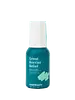
This barrier-repair serum is formulated around Calophyllum Inophyllum Seed Oil and Niacinamide to strengthen the skin barrier and calm redness.
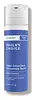
This anti-aging serum is formulated around Tetrahexyldecyl Ascorbate and Palmitoyl Tripeptide-5 to soften the look of wrinkles and brighten dull-looking skin.


What's inside
What's inside
 Key Ingredients
Benefits
Concerns
Ingredients Side-by-side
Water
Skin ConditioningPropanediol
Solvent

Calophyllum Inophyllum Seed Oil
Antimicrobial





Dipropylene Glycol
HumectantNiacinamide
Smoothing








Carthamus Tinctorius Seed Oil
Masking
Cetearyl Olivate
Polysorbate 60
Emulsifying
Glyceryl Oleate
Emollient

Octyldodecanol
Emollient
Rosa Canina Fruit Oil
Emollient
Sorbitan Oleate
Emulsifying

Sorbitan Olivate
Emulsifying
Coco-Caprylate/Caprate
Emollient
Hydroxyethyl Acrylate/Sodium Acryloyldimethyl Taurate Copolymer
Emulsion StabilisingGlycerin
Humectant
Tocopheryl Acetate
Antioxidant
Butylene Glycol
Humectant
Caprylyl Glycol
Emollient
Hydroxyacetophenone
Antioxidant
Pentylene Glycol
Skin Conditioning
Squalane
Emollient
Urea
Buffering
Xanthan Gum
EmulsifyingSorbitan Isostearate
Emulsifying
1,2-Hexanediol
Skin Conditioning
Hydrogenated Olive Oil Unsaponifiables
Emollient
Disodium EDTA
ChelatingAvena Sativa Kernel Flour
Abrasive
Magnesium Chloride
Sodium Hyaluronate
Humectant
Glycine Soja Sterols
Emollient
Lactic Acid
Buffering

Caprylic/Capric Triglyceride
Masking
Glycosyl Trehalose
Emulsion StabilisingAcetyl Glutamine
Skin ConditioningOleic Acid
Emollient
Sodium PCA
Humectant
Serine
Masking
Ceramide NP
Skin Conditioning
Glycine
Buffering
Water, Propanediol, Calophyllum Inophyllum Seed Oil, Dipropylene Glycol, Niacinamide, Carthamus Tinctorius Seed Oil, Cetearyl Olivate, Polysorbate 60, Glyceryl Oleate, Octyldodecanol, Rosa Canina Fruit Oil, Sorbitan Oleate, Sorbitan Olivate, Coco-Caprylate/Caprate, Hydroxyethyl Acrylate/Sodium Acryloyldimethyl Taurate Copolymer, Glycerin, Tocopheryl Acetate, Butylene Glycol, Caprylyl Glycol, Hydroxyacetophenone, Pentylene Glycol, Squalane, Urea, Xanthan Gum, Sorbitan Isostearate, 1,2-Hexanediol, Hydrogenated Olive Oil Unsaponifiables, Disodium EDTA, Avena Sativa Kernel Flour, Magnesium Chloride, Sodium Hyaluronate, Glycine Soja Sterols, Lactic Acid, Caprylic/Capric Triglyceride, Glycosyl Trehalose, Acetyl Glutamine, Oleic Acid, Sodium PCA, Serine, Ceramide NP, Glycine
Cyclopentasiloxane
Emollient
Dimethicone
Emollient
Tetrahexyldecyl Ascorbate
Antioxidant
Palmitoyl Tripeptide-5
Skin Conditioning
Ceramide NP
Skin Conditioning
Tocotrienols
Skin Conditioning
Tocopherol
Antioxidant
Ubiquinone
Antioxidant
Thioctic Acid
Antioxidant
Tocopheryl Acetate
Antioxidant
Magnesium Ascorbyl Phosphate
Antioxidant
Ferulic Acid
Antimicrobial
Beta-Glucan
Skin Conditioning
Superoxide Dismutase
Antioxidant
Epigallocatechin Gallate
Antioxidant
Ergothioneine
Antioxidant
Glutathione
Xanthophylls
Skin ConditioningGlycine Soja Seed Extract
Skin Conditioning
Glycerin
Humectant
Arctostaphylos Uva Ursi Leaf Extract
Skin Conditioning
Lupinus Albus Seed Extract
Skin ConditioningCurcuma Longa Root
Skin ConditioningElaeis Guineensis Oil
Emollient
Phenoxyethanol
Preservative
Cyclopentasiloxane, Dimethicone, Tetrahexyldecyl Ascorbate, Palmitoyl Tripeptide-5, Ceramide NP, Tocotrienols, Tocopherol, Ubiquinone, Thioctic Acid, Tocopheryl Acetate, Magnesium Ascorbyl Phosphate, Ferulic Acid, Beta-Glucan, Superoxide Dismutase, Epigallocatechin Gallate, Ergothioneine, Glutathione, Xanthophylls, Glycine Soja Seed Extract, Glycerin, Arctostaphylos Uva Ursi Leaf Extract, Lupinus Albus Seed Extract, Curcuma Longa Root, Elaeis Guineensis Oil, Phenoxyethanol
Reviews
Ingredients Explained
These ingredients are found in both products.
Ingredients higher up in an ingredient list are typically present in a larger amount.
Ceramide NP (formerly known as Ceramide 3) is one of the skin's naturally occurring lipids.
Since ceramides are the major lipid components of the skin, they are crucial for maintaining skin barrier and hydration. Ceramide NP most closely mirrors the dominant kind in human skin amongst ceramide subtypes.
This ceramide works by slotting into gaps within the stratum corneum's lipid matrix to limit trans-epidermal water loss (TEWL) and shield the skin against external irritants.
A study with 312 patients found that using a ceramide-containing routine for 4 weeks reduced the severity of atopic dermatitis by over 61%.
Another clinical study in subjects aged 60 and older found that a ceramide body wash and moisturizer improved skin dryness and itchy skin in 15 days.
Overall, ceramides are considered non-irritating and safety tests have found little to no observable adverse effects from using this ingredient.
Ceramide NP is usually sourced from plants (like soybean or rice bran), or produced synthetically.
Learn more about Ceramide NPGlycerin (or glycerol) is a compound naturally found in your skin. It's a powerhouse humectant that pulls water into the stratum corneum.
Topically, glycerin does several things at once:
Your skin makes glycerin on its own (mostly from sebaceous oil breakdown) and shuttles it to your outermost layer of skin, or your epidermis, via aquaporin-3.
Aquaporin-3 is a transporter that is essential for normal skin hydration, elasticity, and repair. Interestingly, mice lacking in AQP3 have dry and less elastic skin that can be fully corrected with glycerin.
This ingredient is non-irritating, plays well with almost every ingredient, and works across all skin types. Typical use is anywhere between 3-10% but can go up to 79% in some leave-on products.
Just know very high concentrations (>40%) can feel tacky in low humidity.
Glycerin is the name for this ingredient in American English. British English uses Glycerol/Glycerine.
Learn more about GlycerinTocopheryl Acetate is a stable, shelf-friendly form of vitamin E.
Formulators love it because plain vitamin E oxidizes quickly once it hits air. This acetate version stays stable and resists going off, helping to extend a product's shelf life.
It's actually inactive on its own and works like a slow-release "storage" form; the enzymes in your skin called esterases gradually convert it into active vitamin E over time.
One in vivo study showed 5% of the acetate in the living layer of the epidermis converted to vitamin E after 5 days of application. This study also found the skin gained protection against UV damage even though the conversion was slow and small.
Once converted, vitamin E acts as a skin's main fat-soluble antioxidant that fights free radicals to protect skin from damage.
Topical vitamin E generally boosts the skin's photoprotection, and it reduced UV-damage in animal models.
This ingredient has some brightening potential but it's more of a prevention ingredient than spot-fader. Cell studies show it can slow down melanin production but it's worth noting that it's not the most powerful brightener out there.
Overall, it has a pretty solid safety profile and has been found to be non-irritating and non-comedogenic. Allergic reactions may happen but stay rare due to how widely the ingredient gets used.
The concentration will vary depending on the formula; industry data shows 0.1% in baby lotions, 3% in lipsticks, and 5% in foot powders. You can also find this ingredient at 100% in a pure vitamin E oil.
Most leave-on skincare keeps it at the lower end, often between 0.5-1%.
Learn more about Tocopheryl Acetate

