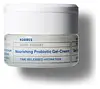
This moisturizer is formulated around Alpha-Glucan Oligosaccharide to hydrate skin.
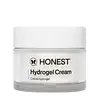
This barrier-repair moisturizer is formulated around Squalane and Sodium Acetylated Hyaluronate to strengthen the skin barrier and hydrate skin.


What's inside
What's inside
 Key Ingredients
Benefits
Concerns
Ingredients Side-by-side
Water
Skin ConditioningPropanediol
Solvent

Propylheptyl Caprylate
EmollientAmmonium Acryloyldimethyltaurate/Vp Copolymer
Potassium Cetyl Phosphate
EmulsifyingC13-15 Alkane
SolventCoco-Caprylate
Emollient
Aloe Barbadensis Leaf Juice Powder
Skin Conditioning

Algin
MaskingAlpha-Glucan Oligosaccharide
Cleansing
Ascorbic Acid
Antioxidant






Bisabolol
Antioxidant
Caprylyl Glycol
Emollient
Chamomilla Recutita Flower Extract
Masking
Disodium Phosphate
BufferingGlycerin
Humectant
Glyceryl Polyacrylate
Helianthus Annuus Seed Oil
Emollient


Hydrolyzed Sodium Hyaluronate
Skin Conditioning
Lactic Acid
Buffering




Lactobacillus
Skin ConditioningLauroyl Lysine
Skin Conditioning
Lonicera Caprifolium Flower Extract
Perfuming
Lonicera Japonica Flower Extract
Skin ConditioningMaltodextrin
Absorbent
Menthyl Lactate
Masking
Panthenol
Skin Conditioning
Parfum
Masking
Pentylene Glycol
Skin Conditioning
Polyglyceryl-3 Diisostearate
Emulsifying

Polymnia Sonchifolia Root Juice
Skin ConditioningPotassium Phosphate
BufferingPullulan
Salicylic Acid
Masking



Salvia Hispanica Seed Oil
Emollient
Serine
Masking
Sodium Carboxymethyl Beta-Glucan
CleansingSodium Hyaluronate
Humectant
Tetrasodium Glutamate Diacetate
ChelatingTocopheryl Acetate
Antioxidant
Trehalose
Humectant
Urea
Buffering
Xanthan Gum
EmulsifyingYogurt Powder
Zingiber Officinale Root Extract
Masking
Benzyl Alcohol
Perfuming

Phenoxyethanol
Preservative
Sorbic Acid
Preservative
Water, Propanediol, Propylheptyl Caprylate, Ammonium Acryloyldimethyltaurate/Vp Copolymer, Potassium Cetyl Phosphate, C13-15 Alkane, Coco-Caprylate, Aloe Barbadensis Leaf Juice Powder, Algin, Alpha-Glucan Oligosaccharide, Ascorbic Acid, Bisabolol, Caprylyl Glycol, Chamomilla Recutita Flower Extract, Disodium Phosphate, Glycerin, Glyceryl Polyacrylate, Helianthus Annuus Seed Oil, Hydrolyzed Sodium Hyaluronate, Lactic Acid, Lactobacillus, Lauroyl Lysine, Lonicera Caprifolium Flower Extract, Lonicera Japonica Flower Extract, Maltodextrin, Menthyl Lactate, Panthenol, Parfum, Pentylene Glycol, Polyglyceryl-3 Diisostearate, Polymnia Sonchifolia Root Juice, Potassium Phosphate, Pullulan, Salicylic Acid, Salvia Hispanica Seed Oil, Serine, Sodium Carboxymethyl Beta-Glucan, Sodium Hyaluronate, Tetrasodium Glutamate Diacetate, Tocopheryl Acetate, Trehalose, Urea, Xanthan Gum, Yogurt Powder, Zingiber Officinale Root Extract, Benzyl Alcohol, Phenoxyethanol, Sorbic Acid
Water
Skin ConditioningSqualane
Emollient
Propanediol
Solvent
Glycerin
Humectant
Polyglyceryl-4 Isostearate
Emulsifying
Pyrus Malus Fruit Extract
Skin Conditioning
Coco-Caprylate/Caprate
Emollient
Disteardimonium Hectorite
StabilisingJojoba Esters
Emollient
Sodium PCA
Humectant
Tocopherol
Antioxidant
Sodium Acetylated Hyaluronate
Humectant
Hydrolyzed Sodium Hyaluronate
Skin Conditioning
Trisodium Ethylenediamine Disuccinate
Chelating1,2-Hexanediol
Skin Conditioning
Caprylhydroxamic Acid
ChelatingWater, Squalane, Propanediol, Glycerin, Polyglyceryl-4 Isostearate, Pyrus Malus Fruit Extract, Coco-Caprylate/Caprate, Disteardimonium Hectorite, Jojoba Esters, Sodium PCA, Tocopherol, Sodium Acetylated Hyaluronate, Hydrolyzed Sodium Hyaluronate, Trisodium Ethylenediamine Disuccinate, 1,2-Hexanediol, Caprylhydroxamic Acid
Reviews
Ingredients Explained
These ingredients are found in both products.
Ingredients higher up in an ingredient list are typically present in a larger amount.
Glycerin (or glycerol) is a compound naturally found in your skin. It's a powerhouse humectant that pulls water into the stratum corneum.
Topically, glycerin does several things at once:
Your skin makes glycerin on its own (mostly from sebaceous oil breakdown) and shuttles it to your outermost layer of skin, or your epidermis, via aquaporin-3.
Aquaporin-3 is a transporter that is essential for normal skin hydration, elasticity, and repair. Interestingly, mice lacking in AQP3 have dry and less elastic skin that can be fully corrected with glycerin.
This ingredient is non-irritating, plays well with almost every ingredient, and works across all skin types. Typical use is anywhere between 3-10% but can go up to 79% in some leave-on products.
Just know very high concentrations (>40%) can feel tacky in low humidity.
Glycerin is the name for this ingredient in American English. British English uses Glycerol/Glycerine.
Learn more about GlycerinThis ingredient is created by putting sodium hyaluronate through hydrolysis.
You might know this as 'mini' or 'ultra low-molecular weight' hyaluronic acid. The small molecule size means it is able to travel deeper in the skin.
According to studies, low molecular-weight hyaluronic acid can:
One study from 2011 found ultra-low weight HA to show pro-inflammatory properties. Another study from 2022 found it to downregulate UV-B induced inflammation.
Hydrolysis is a process of changing a molecule using water or enzymes.
This ingredient is water-soluble.
Learn more about Hydrolyzed Sodium HyaluronatePropanediol is an all-star ingredient. It softens, hydrates, and smooths the skin.
It’s often used to:
Propanediol is not likely to cause sensitivity and considered safe to use. It is derived from corn or petroleum with a clear color and no scent.
Learn more about PropanediolWater. It's the most common cosmetic ingredient of all. You'll usually see it at the top of ingredient lists, meaning that it makes up the largest part of the product.
So why is it so popular? Water most often acts as a solvent - this means that it helps dissolve other ingredients into the formulation.
You'll also recognize water as that liquid we all need to stay alive. If you see this, drink a glass of water. Remember to stay hydrated!
Learn more about Water

