

What's inside
What's inside
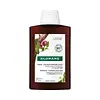 Key Ingredients
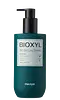
Benefits
Concerns
Ingredients Side-by-side
Water
Skin ConditioningDisodium Laureth Sulfosuccinate
CleansingPEG-120 Methyl Glucose Dioleate
Emulsifying

Lauryl Betaine
CleansingLaureth-3
EmulsifyingMaleic Acid
BufferingPEG-40 Hydrogenated Castor Oil
Emulsifying
Cinchona Succirubra Bark Extract
Skin ConditioningLeontopodium Alpinum Flower/Leaf Extract
Skin ConditioningCaffeine
Skin Conditioning

Biotin
AntiseborrhoeicNiacinamide
Smoothing









Panthenol
Skin Conditioning
Alcohol
Antimicrobial



CI 42090
Cosmetic ColorantCaprylyl Glycol
Emollient
Citric Acid
Buffering
Parfum
Masking

Glycerin
Humectant
CI 42053
Cosmetic ColorantPantolactone
Humectant
Polyquaternium-22
Potassium Sorbate
Preservative
Pyridoxine Hcl
Skin ConditioningCI 17200
Cosmetic ColorantSodium Benzoate
Masking
Sodium Chloride
MaskingTocopherol
Antioxidant

CI 15985
Cosmetic ColorantWater, Disodium Laureth Sulfosuccinate, PEG-120 Methyl Glucose Dioleate, Lauryl Betaine, Laureth-3, Maleic Acid, PEG-40 Hydrogenated Castor Oil, Cinchona Succirubra Bark Extract, Leontopodium Alpinum Flower/Leaf Extract, Caffeine, Biotin, Niacinamide, Panthenol, Alcohol, CI 42090, Caprylyl Glycol, Citric Acid, Parfum, Glycerin, CI 42053, Pantolactone, Polyquaternium-22, Potassium Sorbate, Pyridoxine Hcl, CI 17200, Sodium Benzoate, Sodium Chloride, Tocopherol, CI 15985
Water
Skin ConditioningSodium C14-16 Olefin Sulfonate
Cleansing
Disodium Laureth Sulfosuccinate
CleansingLauramidopropyl Betaine
CleansingLauryl Hydroxysultaine
CleansingSorbitol
Humectant
Parfum
Masking
Alcohol
Antimicrobial
Butylene Glycol
Humectant
Glycine Soja Germ Extract
EmollientOryza Sativa Extract
Absorbent
Sea Salt
Abrasive
Aspergillus Ferment
Skin ConditioningTrifolium Pratense Flower Extract
AstringentCaffeine
Skin Conditioning
Moringa Oleifera Seed Extract
Skin Conditioning
Xylitylglucoside
Humectant
Xylitol
Humectant
Adansonia Digitata Seed Extract
Skin ConditioningCaprylyl Glycol
Emollient
Coco-Glucoside
Cleansing
Dipropylene Glycol
HumectantPanthenol
Skin Conditioning
Biotin
AntiseborrhoeicAcetyl Tetrapeptide-3
Skin Protecting
Menthol
Masking
Sodium Cocoyl Isethionate
Cleansing
Sodium Chloride
MaskingAnhydroxylitol
Humectant
Citric Acid
Buffering
Sodium Citrate
BufferingDextran
Lauramide Mipa
Foam BoostingHydroxypropyltrimonium Hyaluronate
Plukenetia Volubilis Seed Oil
Emollient
1,2-Hexanediol
Skin Conditioning
Tocopherol
Antioxidant
Trihydroxystearin
Skin Conditioning
Caprylic/Capric Triglyceride
Masking
Polyquaternium-22
Decyl Glucoside
Cleansing
Polyquaternium-10
Ethylhexylglycerin
Skin ConditioningSodium Phytate
ChelatingMaltodextrin
Absorbent
Cetearyl Alcohol
Emollient

Potassium Sorbate
Preservative
Sodium Benzoate
Masking
Limonene
Perfuming
Hydroxycitronellal
Perfuming
Citronellol
Perfuming
Hexyl Cinnamal
Perfuming
Water, Sodium C14-16 Olefin Sulfonate, Disodium Laureth Sulfosuccinate, Lauramidopropyl Betaine, Lauryl Hydroxysultaine, Sorbitol, Parfum, Alcohol, Butylene Glycol, Glycine Soja Germ Extract, Oryza Sativa Extract, Sea Salt, Aspergillus Ferment, Trifolium Pratense Flower Extract, Caffeine, Moringa Oleifera Seed Extract, Xylitylglucoside, Xylitol, Adansonia Digitata Seed Extract, Caprylyl Glycol, Coco-Glucoside, Dipropylene Glycol, Panthenol, Biotin, Acetyl Tetrapeptide-3, Menthol, Sodium Cocoyl Isethionate, Sodium Chloride, Anhydroxylitol, Citric Acid, Sodium Citrate, Dextran, Lauramide Mipa, Hydroxypropyltrimonium Hyaluronate, Plukenetia Volubilis Seed Oil, 1,2-Hexanediol, Tocopherol, Trihydroxystearin, Caprylic/Capric Triglyceride, Polyquaternium-22, Decyl Glucoside, Polyquaternium-10, Ethylhexylglycerin, Sodium Phytate, Maltodextrin, Cetearyl Alcohol, Potassium Sorbate, Sodium Benzoate, Limonene, Hydroxycitronellal, Citronellol, Hexyl Cinnamal
Ingredients Explained
These ingredients are found in both products.
Ingredients higher up in an ingredient list are typically present in a larger amount.
This ingredient is also called ethanol or ethyl alcohol. It is denatured, meaning made undrinkable for cosmetic use.
In formulas, it:
Is it bad for your skin?
The answer comes down to concentration. Patch and wash studies have found highly concentrated alcohol-based hand rubs (60-100%) cause less barrier disruption than washing with a basic detergent like SLS. The only measurable effect in these studies was a temporary dip in skin hydration.
Concentrations below 12-15% in leave-on cosmetics is generally well-tolerated. Concentrations above start to see increased transepidermal water loss (TEWL) and reduced hydration.
In concentrations about 58%, it creates temporary channels in your skin's lipid layers to become more permeable and allow other ingredients to slip through easily.
This ingredient can be up to 80% of the formula in alcohol-based perfumes.
Overall, this ingredient is probably harmless if found lower down an ingredients list but worth side-eyeing if it's high up (especially if your barrier is already struggling).
Alcohol can worsen dry skin, eczema, and oily skin, especially at higher concentrations. This is because it can increase transepidermal water loss and decrease hydration to disrupt the skin barrier.
According to the National Rosacea Society based in the US, you should be mindful of products with these alcohols in the top half of ingredients.
True allergic contact dermatitis to ethanol is uncommon, but be sure to patch test if you have dry or sensitive skin.
Learn more about AlcoholBiotin is a B vitamin that is naturally produced by our bodies. It is also called Vitamin H.
Our bodies use biotin in the metabolism process. It also helps our bodies use enzymes and move nutrients around. A biotin deficiency can lead to brittle hair and nails.
More research is needed on applying biotin topically. However, taking biotin orally has been shown to help nourish the skin, hair, and nails. They play a role in forming skin-hydrating fatty acids.
Biotin is water-soluble. It can be found in foods such as fish, eggs, dairy, nuts, and meat. Vitamin H stands for "haar" and "haut". These are the German words for hair and skin.
Learn more about BiotinCaffeine is a naturally occurring plant compound found in coffee beans, tea leaves, cocoa pods, and guarana.
As an antioxidant, caffeine protects your skin from free radical damage caused by UV exposure and envionrmnetal stressors.
Early research also shows that caffeine can help calm redness, soothe irritated skin, and support hair growth by stimulating microcirculation in the scalp.
You might have seen eye creams marketing caffeine as a depuffing ingredient. This is because it is a vasoconstrictor meaning it can temporarily constrict blood vessels, though clinical evidence for this specific use is still limited.
Most skincare products contain this ingredient at concentrations between 1-6%. It is able to penetrate skin easily regardless of skin type or thickness.
Just so you know, a very small number of case reports describe caffeine-induced allergy. This ingredient is generally well-tolerated, non-irritating, and non-sensitizing for the majority of people.
Learn more about CaffeineCaprylyl Glycol is a humectant, skin conditioner, emollient, and preservative booster derived from either caprylic acid or synthetically created.
Typical use levels vary from 0.3-1% as a preservative booster and go up to 2% to condition skin.
Because it is not a free-fatty acid, this ingredient is fungal acne safe (there's nothing for Malassezia to feed on).
Learn more about Caprylyl GlycolCitric Acid is an alpha hydroxy acid (AHA) naturally found in citrus fruits like oranges, lemons, and limes.
Like other AHAs, citric acid can exfoliate skin by breaking down the bonds that hold dead skin cells together. This helps reveal smoother and brighter skin underneath.
However, this exfoliating effect only happens at high concentrations (20%) which can be hard to find in cosmetic products.
Due to this, citric acid is usually included in small amounts as a pH adjuster. This helps keep products slightly more acidic and compatible with skin's natural pH.
In skincare formulas, citric acid can:
While it can provide some skin benefits, research shows lactic acid and glycolic acid are generally more effective and less irritating exfoliants.
Most citric acid used in skincare today is made by fermenting sugars (usually from molasses). This synthetic version is identical to the natural citrus form but easier to stabilize and use in formulations.
Rosacea skin has a lower threshold for acids generally, with 62.5% of rosacea subjects in one study reacting to lactic acid in a sting test. This is why we mark citric acid as a potential rosacea trigger.
However, this ingredient shows up as a pH adjuster or chelator at roughly 0.1-1% in many products. These low levels are unlikely to be an issue for rosacea skin and becomes a potential trigger at exfoliating concentrations (20%). Because everybody's skin is unique, we recommend a patch test if you are unsure.
Learn more about Citric AcidThis ingredient is a cleansing agent, surfactant, and foam booster. It considered an alternative to traditional sulfates (Sulfosuccinate) and is allowed in "sulfate-free" products.
According to a manufacturer, this ingredient is mild and can be used in baby and bath options.
Panthenol is a common ingredient that helps hydrate and soothe the skin. It is found naturally in our skin and hair.
There are two forms of panthenol: D and L.
D-panthenol is also known as dexpanthenol. Most cosmetics use dexpanthenol or a mixture of D and L-panthenol.
Panthenol is famous due to its ability to go deeper into the skin's layers. Using this ingredient has numerous pros (and no cons):
Like hyaluronic acid, panthenol is a humectant. Humectants are able to bind and hold large amounts of water to keep skin hydrated.
This ingredient works well for wound healing. It works by increasing tissue in the wound and helps close open wounds.
Once oxidized, panthenol converts to pantothenic acid. Panthothenic acid is found in all living cells.
This ingredient is also referred to as pro-vitamin B5.
Learn more about PanthenolParfum is a catch-all term for an ingredient or more that is used to give a scent to products.
Also called "fragrance", this ingredient can be a blend of hundreds of chemicals or plant oils. This means every product with "fragrance" or "parfum" in the ingredients list is a different mixture.
For instance, Habanolide is a proprietary trade name for a specific aroma chemical. When used as a fragrance ingredient in cosmetics, most aroma chemicals fall under the broad labeling category of “FRAGRANCE” or “PARFUM” according to EU and US regulations.
The term 'parfum' or 'fragrance' is not regulated in many countries. In many cases, it is up to the brand to define this term.
For instance, many brands choose to label themselves as "fragrance-free" because they are not using synthetic fragrances. However, their products may still contain ingredients such as essential oils that are considered a fragrance by INCI standards.
One example is Calendula flower extract. Calendula is an essential oil that still imparts a scent or 'fragrance'.
Depending on the blend, the ingredients in the mixture can cause allergies and sensitivities on the skin. Some ingredients that are known EU allergens include linalool and citronellol.
Parfum can also be used to mask or cover an unpleasant scent.
The bottom line is: not all fragrances/parfum/ingredients are created equally. If you are worried about fragrances, we recommend taking a closer look at an ingredient. And of course, we always recommend speaking with a professional.
Learn more about ParfumWe don't have a description for Polyquaternium-22 yet.
Potassium Sorbate is a preservative used to prevent yeast and mold in products. It is commonly found in both cosmetic and food products.
This ingredient comes from potassium salt derived from sorbic acid. Sorbic acid is a natural antibiotic and effective against fungus.
Both potassium sorbate and sorbic acid can be found in baked goods, cheeses, dried meats, dried fruit, ice cream, pickles, wine, yogurt, and more.
You'll often find this ingredient used with other preservatives.
Learn more about Potassium SorbateSodium Benzoate is a preservative. It's used in both cosmetic and food products to inhibit the growth of mold and bacteria. It is typically produced synthetically.
Both the US FDA and EU Health Committee have approved the use of sodium benzoate. In the US, levels of 0.1% (of the total product) are allowed.
Sodium benzoate works as a preservative by inhibiting the growth of bacteria inside of cells. It prevents the cell from fermenting a type of sugar using an enzyme called phosphofructokinase.
It is the salt of benzoic acid. Foods containing sodium benzoate include soda, salad dressings, condiments, fruit juices, wines, and snack foods.
Studies for using ascorbic acid and sodium benzoate in cosmetics are lacking, especially in skincare routines with multiple steps.
We always recommend speaking with a professional, such as a dermatologist, if you have any concerns.
Learn more about Sodium BenzoateChances are, you eat sodium chloride every day. Sodium Chloride is also known as table salt. This ingredient has many purposes in skincare: thickener, emulsifier, and exfoliator.
You'll most likely find this ingredient in cleansers where it is used to create a gel-like texture. As an emulsifier, it also prevents ingredients from separating.
You might see people debate whether Sodium Chloride is comedogenic, but there actually haven't been any comedogenic tests done on it. Either way, the overall formulation of a product matters a lot more than any single ingredient.
You might see this ingredient used in scrubs as a primary exfoliating ingredient.
Learn more about Sodium ChlorideTocopherol is a fat-soluble antioxidant known as Vitamin E.
You'll find this ingredient in the vast majority of skincare (for good reason). It works to neutralize free radicals, or unstable molecules generated by UV exposure, pollution, and other environmental stressors, before they can cause oxidative damage to your skin cells.
Topically applied tocopherol has been shown to protect against UV damage by ramping up the skin's own natural defense enzymes.
It also acts as a skin conditioning agent; some studies show that regular topical use can improve the skin's water-binding capacity over 2-4 weeks.
This ingredient is especially loved for being a team player. When combined with Vitamin C, the photoprotective effect of both ingredients roughly doubles and the combo also helps reduce UV-induced DNA damage.
This ingredient has some brightening potential but it's more of a prevention ingredient than spot-fader. Cell studies show it can slow down melanin production but it's worth noting that it's not the most powerful brightener out there.
In formulations, it also serves as a stabilizer that helps protect other oxidation-prone ingredients from degrading.
Concentrations usually range from 0.1-1% in most leave-on products.
Learn more about TocopherolWater. It's the most common cosmetic ingredient of all. You'll usually see it at the top of ingredient lists, meaning that it makes up the largest part of the product.
So why is it so popular? Water most often acts as a solvent - this means that it helps dissolve other ingredients into the formulation.
You'll also recognize water as that liquid we all need to stay alive. If you see this, drink a glass of water. Remember to stay hydrated!
Learn more about Water

